


































![A Ledger of the Soul: Navigating the Allah-Bhagavant Nexus in a 19th-Century Puruṣākāra Jñāna Caupara [Gyan Chauper]](https://counterpointbd.com/uploads/images/202608/image_430x256_6a93baa3b09a7.jpg)




















The Architecture of Dependency
True sovereignty begins at home, built from the ground up through economic, cultural, and ecological self-determination.


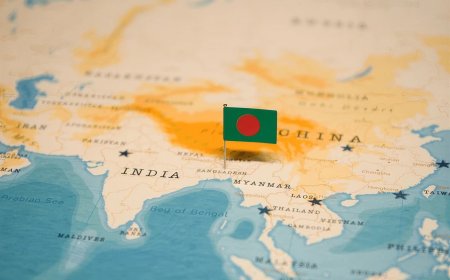
The question of Bangladesh’s sovereignty is rarely a settled matter; rather, it is an ongoing anxiety etched into our national psyche.
From the corridors of power to ordinary households, citizens frequently ask: Are we ever truly in control of our destiny, or are we merely shifting from one external orbit to another?
To examine our political trajectory -- from the complex regional dynamics during Sheikh Hasina’s tenure to the evolving geopolitical shifts, and the turbulent waves of international influence -- is to confront uncomfortable truths about power, governance, and economic survival.
The Problems
Shadows of External Influence
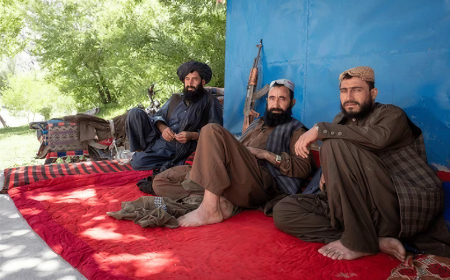
It remains entirely possible that external powers have played significant, behind-the-scenes roles in shaping Bangladesh’s internal political seismic shifts.
During Sheikh Hasina’s long tenure, widespread public perception and intense criticism pointed toward a heavy regional alignment, with many arguing that New Delhi exercised substantial leverage over domestic governance and security frameworks.
Simultaneously, questions linger regarding the role of Western superpowers like the United States, with critics alleging strategic interests and diplomatic alignments during periods of transition.
However, completely denying the immense courage of the students and the public is a grave injustice. To suggest that the downfall of Sheikh Hasina was only the result of a foreign hand is to give zero credit to the countless people who flooded the streets.
For fifteen years, the democratic fabric had been hollowed out through flawed elections and a fake voting system that denied citizens their fundamental voice.
The regime was bound to fall because of its own profound domestic failures and the accumulated fury of a suppressed population.
Rise of Radicalism and Structural Dependency
As societies experience major political upheavals, a troubling pattern often emerges globally -- including the disturbing rise of extremist factions that threaten minorities, Sufi shrines, and our syncretic cultural traditions whenever major foreign interventions or heavy diplomatic pressures take root.
Why do external actors sometimes find room to cast such long shadows? The root cause extends deep into our domestic political economy. None of our successive governments have operated entirely free of systemic corruption.
For decades, the political elite has leaned heavily on foreign loans and aid packages. While billions flow into the country, a significant portion vanishes through corruption, elite capture, and institutional mismanagement.
Ordinary citizens bear the burden through heavy taxation and inflation, while this systemic reliance on external funds acts as a tool for ruling classes to trade national sovereignty for short-term political survival.
Ecological Crisis and the Urge to Escape
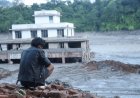
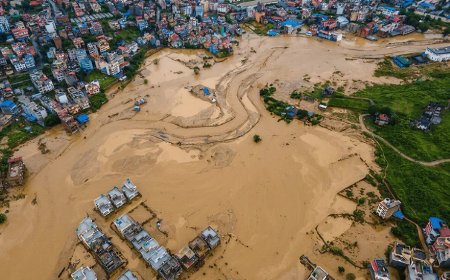
Beyond political and economic dependency, our natural environment has been severely compromised. Our rivers are choked by industrial waste, our air ranks among the most polluted on earth, and our ancient forests and wetlands are swallowed by unplanned urbanization.
This relentless degradation of our land, air, and water has left citizens feeling that the only rational choice is to escape, driving a continuous brain drain and labor exodus because the homeland has been made difficult to inhabit.
The Solutions
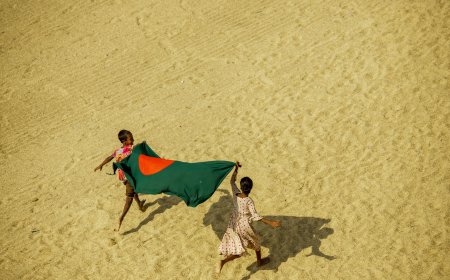
If Bangladesh is to break free from this cycle of external dependency and environmental collapse to reclaim true, uncompromised sovereignty, the solution cannot be found in shifting our allegiance from one foreign superpower to another. True sovereignty begins at home, built from the ground up through economic, cultural, and ecological self-determination.
Valuing Bangladeshi-Made Goods and Mindful Production
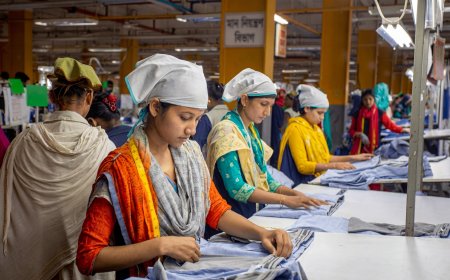
True sovereignty requires looking at all Bangladeshi-made goods -- whether crafted by hand on a loom or produced through sustainable machine manufacturing -- with a mindful eye.
By prioritizing local seeds, regional agriculture, indigenous trees, and all locally made clothing and commodities, we retain our wealth within our own borders. When supply chains remain inside the country, wealth stays home instead of leaking abroad.
Grassroots Resilience and Small Enterprises
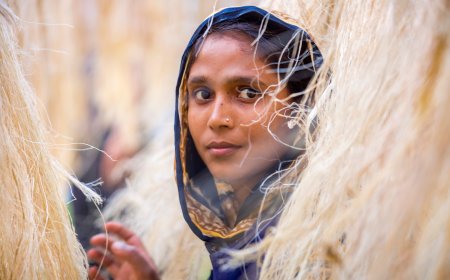
Economic resilience is anchored in supporting small enterprises, local artisans, and independent creators rather than relying on mega-corporations. Modest local initiatives and community-driven spaces demonstrate how creative entrepreneurship can celebrate traditional arts, protect heritage, and provide sustainable livelihoods for local craftspeople without bowing to massive corporate monopolies or foreign conglomerates.
Environmental Mindfulness and Protecting Our Resources
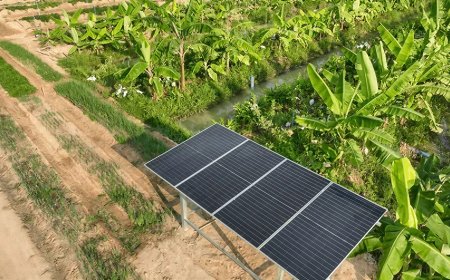
True sovereignty cannot exist while our natural eco-systems are destroyed. Protecting our trees, seeds, soil, and waterways is an act of national defense. Laws protecting rivers, forests, and clean air must be strictly and transparently enforced, holding industries legally responsible for their waste so that we do not poison the very foundation of our survival.
Preserving Culture and Cultivating Hope
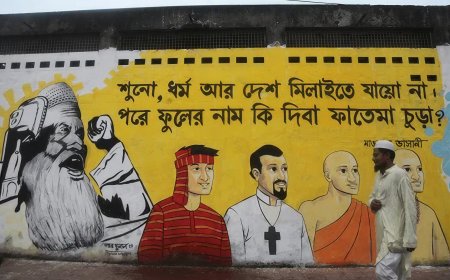
Protecting our identity means fiercely guarding our pluralistic culture, our music, our minorities, and our Sufi traditions against imported extremism and homogenization.
Ultimately, sovereignty is restored when citizens no longer look at departure as the only path to a dignified life -- when education, justice, fair labour, and a clean environment make staying a choice filled with pride, hope, and possibility.
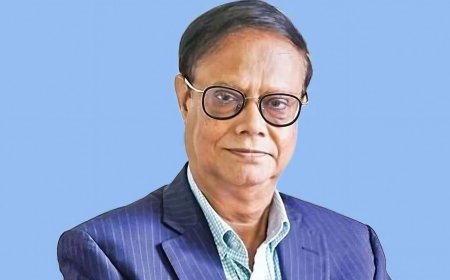
Anusheh Anadil is a Bangladeshi musician, artist, cultural activist, and social entrepreneur.