



































![A Ledger of the Soul: Navigating the Allah-Bhagavant Nexus in a 19th-Century Puruṣākāra Jñāna Caupara [Gyan Chauper]](https://counterpointbd.com/uploads/images/202608/image_430x256_6a93baa3b09a7.jpg)

















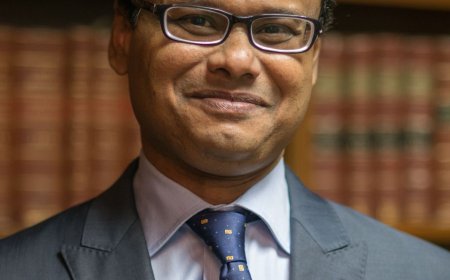



The first Doppler poll suggests that the government's political position remains reasonably strong. Two different national surveys, conducted through different methodologies, place government approval at almost the same level. That convergence deserves recognition.

The Charter belongs to no party. Whoever channels public impatience into pressure for its implementation will own ground nobody else is contesting.
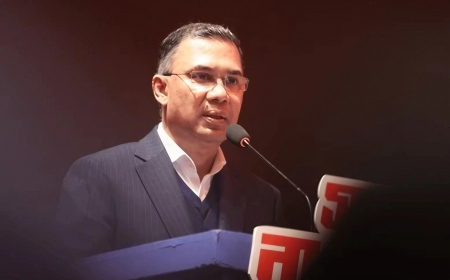
All things considered, Mr. Rahman receives a “meets expectations” grade. The BNP government, as a team, receives a “needs improvement” grade, but not a failing one.
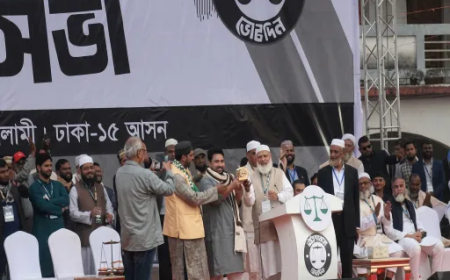
What Jamaat's 68 seats do is give the party institutional leverage to shape the answers to questions that matter far more than whether Bangladesh wakes up tomorrow under a theocracy.
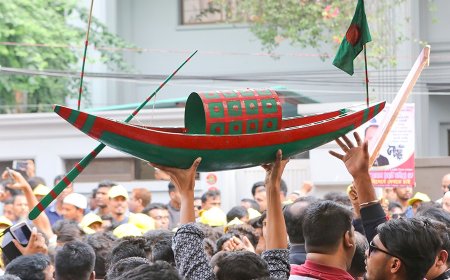
That the stability and sustainability of Bangladesh’s renewed tryst with democracy will depend on how maturely Tarique Rahman deals with the thorny issue of Sheikh Hasina and the Awami League.
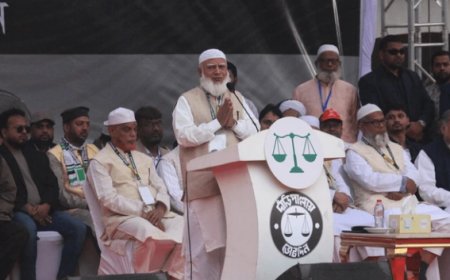
Jamaat conceded defeat, congratulated the incoming government, and committed to parliamentary cooperation while legally challenging disputed seats. This dual approach respects democratic stability while defending electoral accountability. It reflects institutional maturity, not grievance politics.

The 2026 electorate delivered a clear message: A revolution can topple a regime, but it cannot govern by erasing the cultural DNA of its people. Voters chose a path of stability, signaling that while they were ready for a new chapter, they were not ready to rip out the first pages of the book.

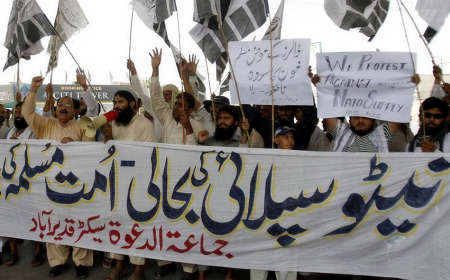
For all its organizational discipline, ideological clarity, and grassroots networks, Jamaat-e-Islami has spent five decades confined to the margins of Bangladeshs political mainstream -- not because it lacked ambition, but because the stage was always owned by others.

Voters opted for political change at a moment of acute economic strain and fraying public security. They desperately want stability and tangible economic recovery. That's what they voted for. That's what they now expect to receive in return.
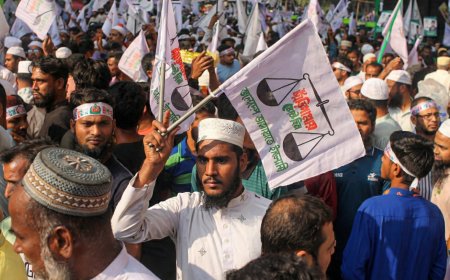
On the question of 1971 and apology, Jamaat’s tone was arrogant. Had they shown even minimal reconciliation, people might have celebrated August 5’s victory with them on the election day, specially given their alliance with the student movement.
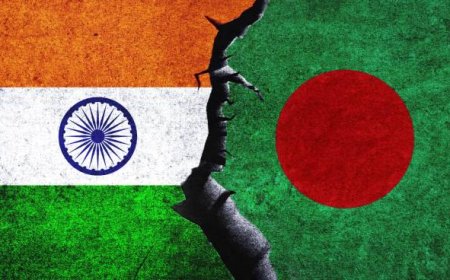
The fact that Jamaat has won so many seats for the first time ever -- most of them along Indian borders -- should be a cause for concern for India. While Bangladeshis may not have embraced Islamic fundamentalism this time, anti-Indian sentiment is clearly gaining ground.

Are you relieved (or disappointed) that Jamaat did not get more seats? Not so fast. This election was a big victory for the party. Those who are disappointed with Jamaat’s result have not yet had their basic lessons in politics.
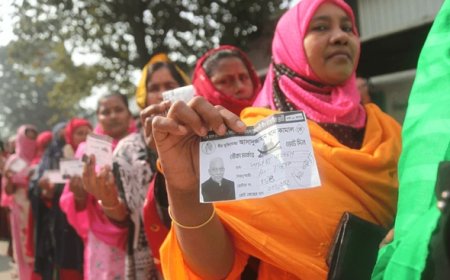
Bangladesh remains socially conservative in many ways, but voters demonstrated political moderation. Economic stability, welfare support, and social peace mattered more than ideological confrontation. The electorate did not reject religion. It rejected restriction. It did not embrace radical liberalism. It embraced balance.
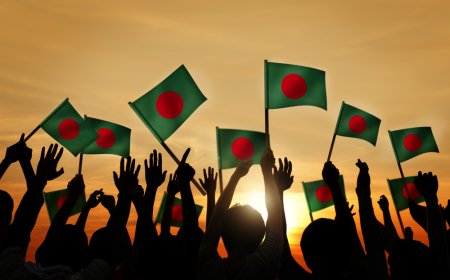
The winners and losers, and those in between, in the aftermath of the February 12 polls
For all its organizational strength (its cradle-to-grave welfare systems, disciplined cadres, and efficient disaster response), Jamaat serves a problematic end: It is in the service of creating a theocracy from the bottom up.

Jamaat can only win if this is a wave election, signaling a tectonic shift in the national mood. There is little evidence of this in the polls and available data. It is possible, but not probable.