
























































What It Means to Be Bangladeshi Today
Bangladesh remains socially conservative in many ways, but voters demonstrated political moderation. Economic stability, welfare support, and social peace mattered more than ideological confrontation. The electorate did not reject religion. It rejected restriction. It did not embrace radical liberalism. It embraced balance.

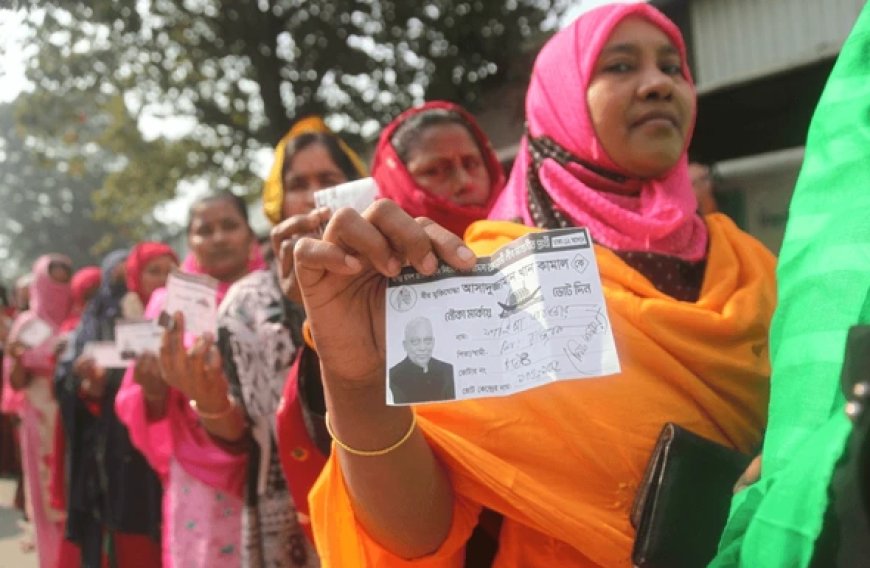
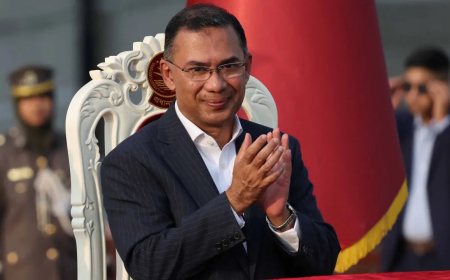
Bangladesh’s 2026 election was not just a fight for parliamentary seats. It was a clash between two political brands -- one broad and inclusive, the other narrow and identity-driven.
The outcome, a decisive victory for the BNP-led coalition, was more than electoral math. It reflected positioning, messaging, and a deeper social signal about how the Bangladeshi majority sees itself.
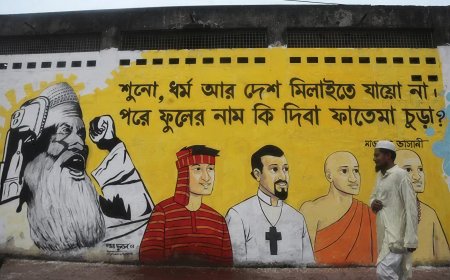
The BNP built its campaign around inclusive nationalism, promoting a Bangladeshi identity that welcomed Muslims, Hindus, atheists, and minority communities alike. Party leaders invoked both the spirit of 1971 and the expectations of recent years -- honouring the Liberation War while responding to public demand for good governance, stability, and accountability.
By connecting emotional history with everyday concerns, the campaign spoke to both identity and practical needs.
Fazlur Rahman, who secured the largest and most decisive victory, made the 1971 Liberation War identity a central theme of his message. While he faced some criticism on social media from Jamati supporters, the election results demonstrated that his focus resonated deeply with voters.
It showed that a national identity rooted in the Liberation War remains powerful in the hearts of Bangladeshis, and that acknowledging this collective memory can translate into broad electoral support.
Women’s participation in the 2026 campaign was a complex and contested part of the political narrative. While the BNP highlighted women’s issues and regularly put female spokespersons on television talk shows to push a national conversation on women’s rights, the party’s actual nomination of women candidates was limited.
Out of hundreds of nominees, the BNP put forward only about 10 women candidates on its party ticket -- a small fraction of the total -- despite pledges from political circles to increase women’s representation in direct contests.
This gap sparked some backlash and criticism that, despite strong rhetoric about women’s empowerment, structural inclusion remained weak.
Nonetheless, the visibility of women in media discussions and the symbolic resonance of figures connected to the party’s legacy -- including Tarique Rahman’s daughter and his wife, and the enduring legacy of Begum Khaleda Zia as a woman leader -- helped reassure a significant gender-based vote bank that BNP’s platform spoke to their hopes for safety, economic opportunity, and political voice.
In this sense, even with limited direct nominations, the campaign’s focus on women as core stakeholders, amplified through high-profile advocates and the emotional pull of Khaleda Zia’s political heritage, played a key role in attracting women’s support alongside the broader electorate.
With inflation and rising living costs affecting households across the country, welfare promises resonated strongly. The 51-point manifesto prioritized reforms aimed at building a welfare-oriented and prosperous Bangladesh. The campaign spoke directly to economic anxiety rather than ideological confrontation.
Cultural positioning also mattered. BNP leaders publicly embraced art, literature, and cultural expression. Campaign imagery reflected national heritage and plural traditions.
Instead of signaling restriction, the party projected acceptance. From a branding perspective, it lowered barriers to entry and created space for minorities, women, youth, culturally aware citizens, and economically vulnerable voters.
On the other side, the Jamaat-aligned political formation relied heavily on Islamic identity politics. Its campaign emphasized religious authenticity and moral guardianship. While this strengthened loyalty among committed supporters, identity-based branding naturally narrows the audience.
When it came to the legacy of 1971, Jamaat repeatedly criticized aspects of the Liberation War while promoting a revisionist interpretation. To many voters, this came across as a form of mockery toward a deeply cherished national history.
As a result, those who strongly identify with the Liberation War and its ideals felt alienated and sidelined by Jamaat’s messaging. Statements perceived as limiting women’s autonomy sparked debate across social media and talk shows. Even in conservative societies, women are part of families and communities.
Messaging seen as dismissive created wider discomfort beyond just female voters. Repeated criticism of shrine‑based practices created unease among devout Muslims who maintain shrine‑centred traditions.
Many Bangladeshis combine religious faith with cultural pluralism, and messaging that seemed to challenge that balance sparked discomfort in several districts.
This tension was reflected in broader social unrest: Reports indicate up to 97 shrine attacks across the country over the past year and a half, leaving hundreds injured and some shrines abandoned as festivals were cancelled, even though only a small number of cases were formally filed by authorities.
The election results further showed this unease had political consequences -- Jamaat performed poorly in areas with strong shrine‑based culture, especially in Sylhet, where such traditions are deeply rooted -- suggesting that attempts to push a narrow religious identity can backfire when they clash with the broader, lived identity of the majority.
Frequent criticism of artistic expression and cultural programs projected contraction rather than expansion, especially among digitally connected youth shaped by music, media, and online culture. As a brand, the identity-first model reinforced its base but limited elasticity.
The 2026 election illustrated a simple political truth: Broader coalitions tend to outperform narrower ones. BNP reduced friction by avoiding attacks on large social groups and presenting itself as a platform that could accommodate diverse identities under one national banner.
The opposing strategy enhanced ideological clarity but reduced demographic scale. More importantly, the result revealed something about the Bangladeshi majority’s identity.
Religion remains central to moral and social life. Islamic values shape family structures and everyday culture. Yet the electorate signaled discomfort with rigid or exclusionary political religion. Faith matters, but so does coexistence.
National identity continues to carry emotional weight. Being Bangladeshi stands alongside religious identity, not beneath it. For many citizens, identity is layered: Muslim for most, Bangladeshi in national belonging, and culturally rooted in language and heritage. These identities coexist rather than compete.
Bangladesh remains socially conservative in many ways, but voters demonstrated political moderation. Economic stability, welfare support, and social peace mattered more than ideological confrontation. The electorate did not reject religion. It rejected restriction. It did not embrace radical liberalism. It embraced balance.
The largest bloc of voters appears to sit in a middle space -- religious in values, national in sentiment, culturally open, and politically moderate. This is neither strict secular liberalism nor rigid ideological conservatism. It is a distinctly Bangladeshi blend.
Election 2026 may be remembered not only as a change in parliamentary composition but as a reflection of who the majority believes they are: A society rooted in faith, proud of its nation, protective of its culture, and cautious of exclusion. One political brand expanded to match that identity. The other narrowed against it. The electorate chose the wider gate.
Muhaimen Siddiquee is a brand and communications professional with a strong interest in culture, politics, and history. An IBA graduate, he applies insights from consumer behaviour to understanding shifts in society and historical changes.