













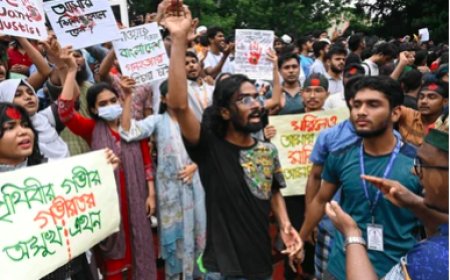






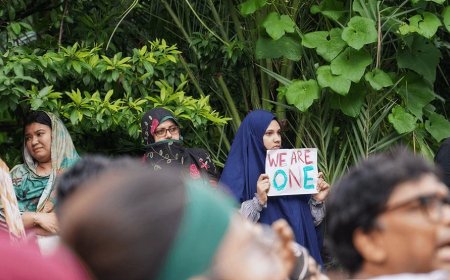
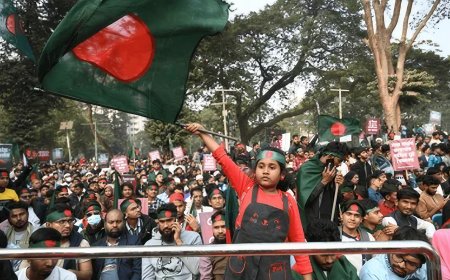


































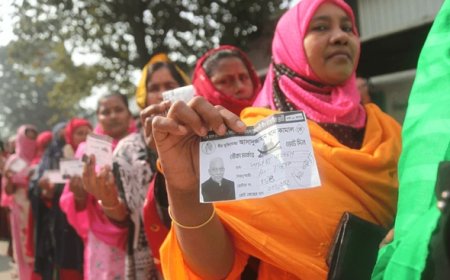
Bangladesh remains socially conservative in many ways, but voters demonstrated political moderation. Economic stability, welfare support, and social peace mattered more than ideological confrontation. The electorate did not reject religion. It rejected restriction. It did not embrace radical liberalism. It embraced balance.
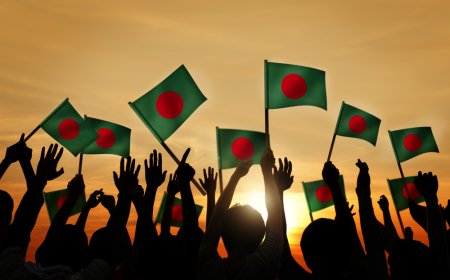
The winners and losers, and those in between, in the aftermath of the February 12 polls
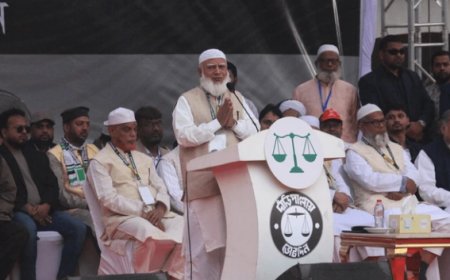
For all its organizational strength (its cradle-to-grave welfare systems, disciplined cadres, and efficient disaster response), Jamaat serves a problematic end: It is in the service of creating a theocracy from the bottom up.

Jamaat can only win if this is a wave election, signaling a tectonic shift in the national mood. There is little evidence of this in the polls and available data. It is possible, but not probable.
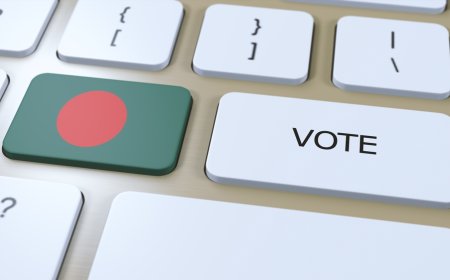
As Bangladesh enters into its first real general election since 2008, we will finally be given a snapshot of where the country stands electorally. Have the polls and the pundits called it correctly, or are we in for a February surprise? Only Election Day will tell.
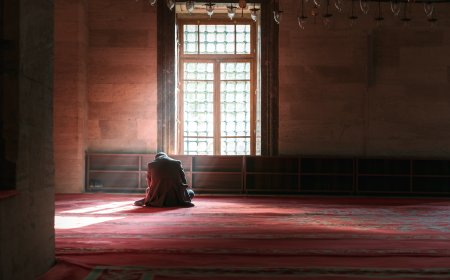
The problem here is not Islam. The problem is the elevation of one man’s subjective, historically contingent interpretation to the status of immutable religious truth. To present such views as 'Islamic policy' is intellectually dishonest and politically dangerous.

India’s political field has bent under pressure but has not collapsed. Meanwhile, Bangladesh’s political field is far more fragile.
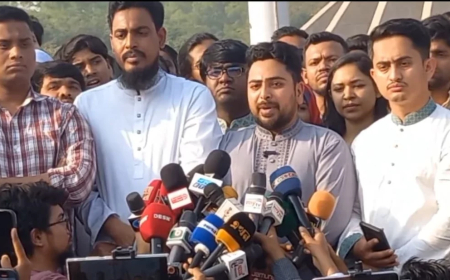
The NCP is still young. Its leaders are young. When it was launched, the response was electric; crowds gathered wherever it went. That energy is now waning. The atrophy has begun -- but it is not irreversible.

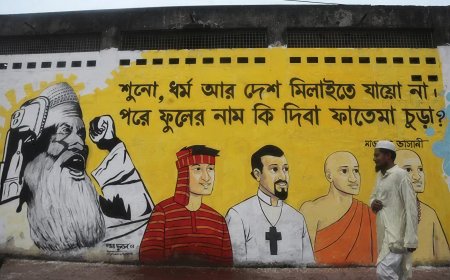
Rejecting religion-based politics does not mean denying religion; rather, it means taking a stand for equality, human rights, and justice. Without women's liberation, no society, no state, and no politics can be truly just.

Jamaat has emerged as one of the two main parties in the current dispensation. Its student wing has won student council elections in five universities. Its online activists dominate the cyberspace. It has consistently polled sufficiently well to emerge as the main opposition in the next parliament if not outright win the election.
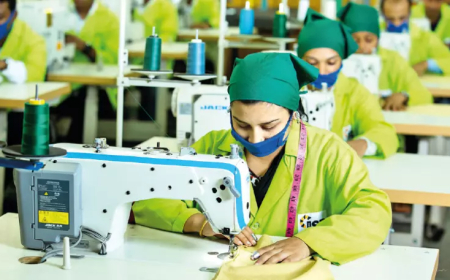
In the hands of Jamaat-e-Islami, a five-hour workday is not welfare. It is soft patriarchy, cloaked in empathy. Bangladesh should not repeat the mistakes of others when better models are already visible.
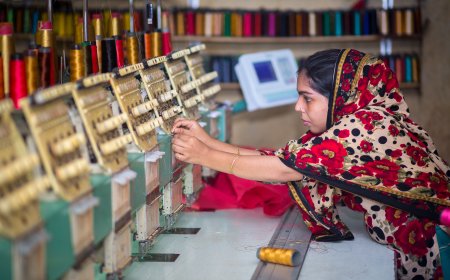
Bangladesh’s working mothers deserve a serious conversation about policies that ease their load and secure their economic future. They deserve thoughtful engagement, not reflexive dismissal. For once, let us debate the policy instead of demonizing the policymaker.
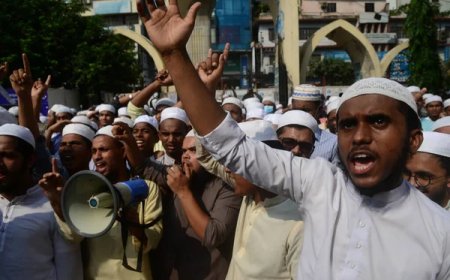
Arithmetic still points to a BNP-led alliance winning, with a Jamaat-led alliance more likely to land as the principal opposition. The caveat is that Bangladesh has not had credible elections since 2008, so any confident prediction about voting behaviour is just that: An informed forecast, not a guarantee.
To understand whether an individual is honest, we need to know whether that person is committed to alternation of power, whether he understands the value of inclusivity and dissent, whether he knows that people with different ideas live within the same society, and whether he is willing to let them survive, grow, and challenge him.

Why “Bangladesh First” Is Coherent Politics and “We Are the People” Is a Theological Trap for Jamaat. The first is a moral ordering principle which prioritizes responsibility. The second is a sovereignty claim and defines power.

Bangladesh’s post-Hasina politics is marked by a fierce contest between old elites and rising aspirants vying to fill newly opened power spaces. This debate is simply one front in this broader elite struggle reshaping the country’s political future.