


































































From Victorian automata to today’s AI girlfriend apps, we have sought to mechanize intimacy, to distill love into algorithms. This musing traces that arc, using Joi as a lodestar to navigate the shadows of desire, capitalism, and digital isolation.

The Epstein files test a basic democratic claim: That no one is above the law. If the outcome is curated transparency, where victims are exposed and the influential are obscured, the test will have been failed. If the outcome is a victim-centred process, the files might finally serve the purpose they were invoked to serve

Andrew's arrest is a reminder -- imperfect, belated, incomplete -- that has sometimes been possible for a society to rebalance kinship and the law so that even the most protected men eventually face the consequences of their actions.

Only a genuine friend would share his thoughts and his words of wisdom in the larger interest of Bangladesh and its people with such clarity. William B Milam was one such friend.
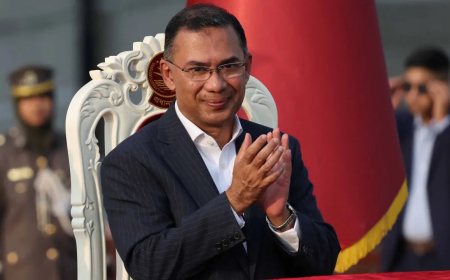
Your service to the nation can only continue if your well-being is safeguarded. Ultimately, the responsibility also rests with the state’s security apparatus, particularly those entrusted with your protection. When credible threats are perceived, it becomes their duty to act decisively.

Episode 9 of Counterpoint Generations reflects on the immediate post-election landscape, examining voter participation, the formation of the new cabinet, and the institutional challenges facing the incoming government as parliament prepares to begin its term.
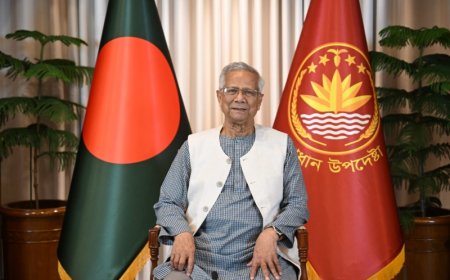
Today, 18 months later, as the nation takes stock of the past and looks at the future, it is an opportunity to evaluate the performance and legacy of Muhammad Yunus and his Interim Government. The performance and work of the Interim government, despite some shortcomings, must be commended, perhaps even celebrated.

All of us who care about Bangladesh have lost a great friend and mentor and a strong voice for the country and its people. The best way we can honour his life and legacy is to continue his life’s work.

Ambassador Milam's connection to Bangladesh was not a chapter of his career -- it was a lifelong commitment. His voice was one of moral clarity in times when many chose silence. Bangladesh has lost a true friend. The cause of democracy has lost a fearless champion. His legacy will endure in the freedom he helped defend.
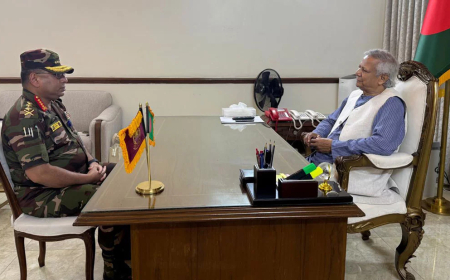
In an era of polarized discourse and manufactured divisions, Dr. Yunus and General Waker-uz-Zaman showed us the path forward: Humility in the face of criticism, prioritization of the nation over self, and relentless pursuit of reform and justice.

Bangladesh is not heading for a crisis, but it faces notable constraints. Inflation remains high but not hyperinflationary. Debt levels are manageable but not insignificant. Institutional guarantees of electoral reform implementation will determine whether this change in government will be long-lasting.
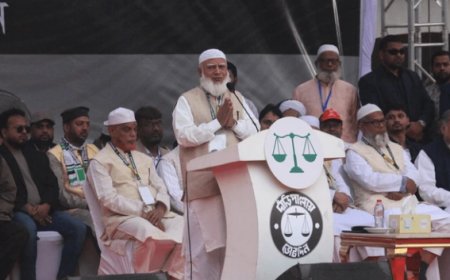
Jamaat conceded defeat, congratulated the incoming government, and committed to parliamentary cooperation while legally challenging disputed seats. This dual approach respects democratic stability while defending electoral accountability. It reflects institutional maturity, not grievance politics.

The 2026 electorate delivered a clear message: A revolution can topple a regime, but it cannot govern by erasing the cultural DNA of its people. Voters chose a path of stability, signaling that while they were ready for a new chapter, they were not ready to rip out the first pages of the book.

Your legacy will now be determined not by the years you ruled, but by how you confront the consequences of those years. History punishes arrogance -- but it sometimes honours repentance