



































![A Ledger of the Soul: Navigating the Allah-Bhagavant Nexus in a 19th-Century Puruṣākāra Jñāna Caupara [Gyan Chauper]](https://counterpointbd.com/uploads/images/202608/image_430x256_6a93baa3b09a7.jpg)
















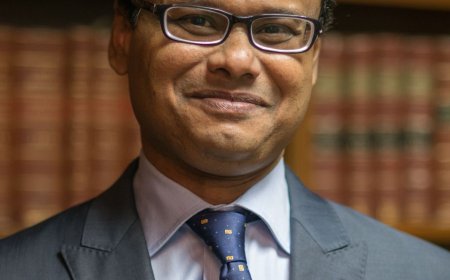



The Monetary Policy Statement was announced in the last week of June, and was almost immediately hemmed in by the circular announcing the spread cap -- a sequencing that signals incoherence. And that incoherence matters more than the actual policy. Macroeconomic policy cannot be effective in supporting growth or curbing inflation unless it is credible.

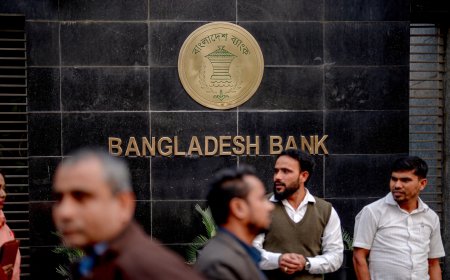
Bangladesh Bank’s circular issued on June 11 represents a timely, strategic, and forward-looking shift toward the development and facilitation of alternative trade finance mechanisms.
This piece talks about how bad loans, political patronage, and cosmetic accounting turned Bangladesh’s banks into a public crisis.
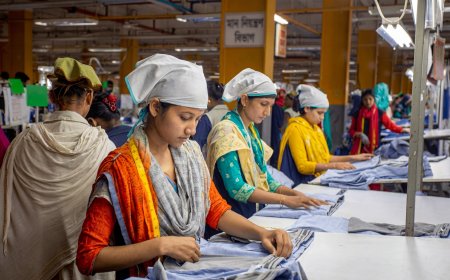
This first article in a three-part series argues that Bangladesh’s celebrated growth story was always more fragile than it looked. Now that growth is slowing and investment is yielding less, the hidden costs of that model are becoming harder to ignore.
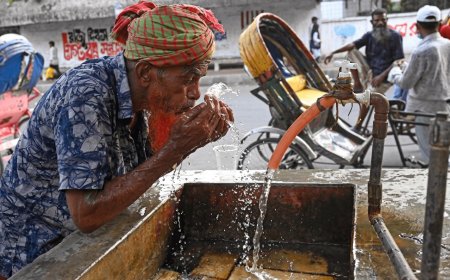
This third article in a three-part series argues how wealth leaves the country, why the gains of growth narrow at the top, and what a fairer settlement would actually require.
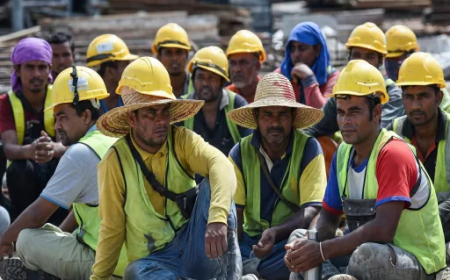
An extended war would not only upset the oil market, but could also disrupt development projects. Our workers, mainly in construction, cleaning and other blue-collar professions, are thus at high risk of mass layoffs.

The war shut down every long-term supplier in a week. But the permanent damage may not be Bangladesh’s problem.

The transition from cash to digital is not merely a technological shift; it is an institutional reform. It requires aligning incentives, building trust, and modernizing infrastructure. But the alternative -- continuing cycles of raids, fines, allegations of harassment, and persistent opacity -- offers little hope for sustainable market discipline.
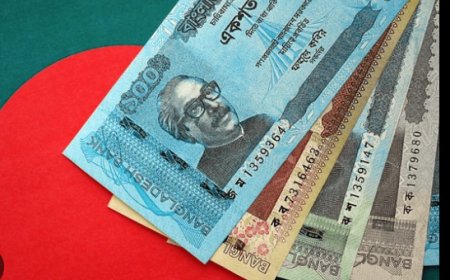
A prolonged conflict in the Middle East would likely trigger a slump in consumer demand in Western markets, leaving the RMG sector vulnerable to the dual blow of dwindling orders and the logistical nightmare of disrupted maritime routes.
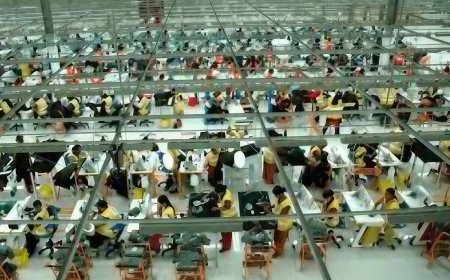
Irrespective of whether LDC graduation is delayed or not, we must face the music sooner or later. It is time to bite the bullet and focus on productivity. Understanding how firms increase productivity must be at the top of our agenda.

Key Stories Shaping Emerging Markets: Thai Election Fuels Stock Market Rise, EM Rises as Wall Street Looks Global, The Race for Brazil Rare Earths, US-Bangladesh Trade Deal, Uber Buys Getir Stake from Mubadala

Society needs a new compact to rein in the empire of corporate giants. This is as true for Bangladesh as it is for the rest of the world. Else we will all descend into the servitude of a new feudal system headed by giant corporations and the handful of their beneficiaries.

The global shortage is real. The demand is guaranteed. The opportunity is enormous.

This is the quiet evolution of empire -- from military enforcement to financial automation. The dollar isn’t dying, at least not anytime soon. It’s being privatized.
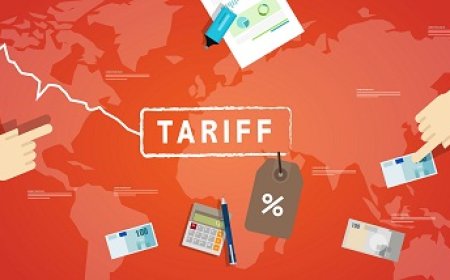
20% is better than 35, but there is still a lot of work that needs to be done if Bangladesh wishes to remain competitive in the global marketplace