
































































A Forgotten Citadel in the History of Bengal
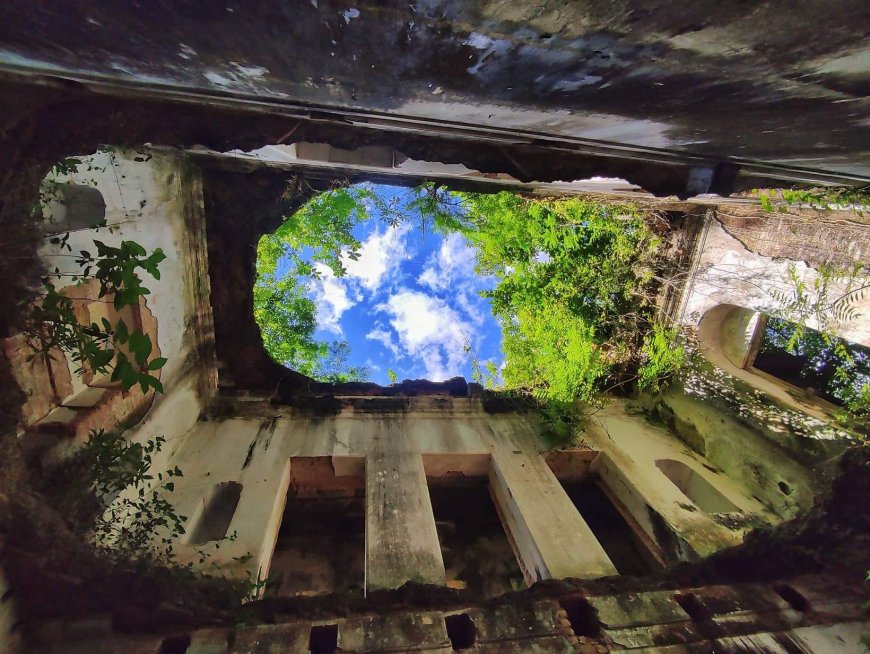
Today, Faridpur is known for the folk music of Jasimuddin, jute and fish trade, and being a railway hub. However, the Fort of Bhushna is an obscure site in ruins, with most of the bricks removed and overgrown shrubs and trees surrounding the site.

Back in the days of the Bengal Sultanate, there was a storied fort in Killabari village, Faridpur District. The rectangular structure measured 396 meters north to south and 356 meters east to west.
Earthen ramparts with semicircular bastions at intervals surrounded it, and the fort was accessible from the south through a causeway. It held a mosque, well, brick water reservoir, and round mound named Fakir Astana.
Bhushna gained prominence in the early 1500s, when it became a mint town under Sultan Nasiruddin Nusrat Shah. In 1576, the Bengal Sultanate dissolved as Pathan ruler Daud Karrani was executed by the Mughals.
This caused the sultan’s Pathan general Qutlu Khan Lohani to declare independence in north Orissa, where he was governor. Also, Bengal’s large-scale zamindars declared independence from the Mughal Empire. This included Kedar Rai, whose family owned the Fort of Bhushna.
By 1592, the Mughal Empire gained control of Orissa, and Qutlu Khan Lohani’s family was sent to exile in Bengal. Upon his demise, the family was headed by his nephews Khwaja Sulaiman Khan Lohani and Khwaja Usman Khan Lohani; they commanded approximately 20,000 soldiers.
Out of desperation, they started raiding across Bengal.
Kedar Rai’s relative Chand Rai had the zamindari of Bhushna, and as the Pathan group advanced towards the citadel, he tried to detain them. This unsuccessful attempt cost his life, and the Pathans invaded the fort in 1593.
This upheaval in the ruling class caused Masnad-i-ala Isa Khan to intervene and settle the matter. Isa Khan was chief of the Baro Bhuiyans, approximately twelve landlords who independently ruled parts of Bengal upon the fall of the sultanate.
Isa Khan was true royalty: His mother Syeda Momena Khatun was Bengal Sultan Ghiyasuddin Mahmud’s daughter and father Kalidas Gazdani was from a Rajput family, and dewan of the sultan.
Upon conversion to Islam under Syed Ibrahim Malik al-Ulama of Habiganj’s zamindar family, Kalidas married the sultan’s daughter and received the zamindari in Sarail, where the mighty Isa Khan was born, destined to battle Mughal imperialism for life.
He asked the Pathan chiefs to give the fort to Kedar Rai, the zamindar of Sripur and Bikrampur, and arranged for Khwaja Sulaiman to become the zamindar’s army chief. In addition, he gave part of his own land in Bokainagar, Mymensingh Division, to Khwaja Usman, so that he could become a zamindar in that area.
Although Kedar Rai’s family member died during the Pathan invasion, somehow, he agreed to the terms. Thereafter, both Afghan chiefs joined Isa Khan in the anti-Mughal resistance, causing a realignment of power.
This proves the strategic mastery of Isa Khan; instead of battling thousands of armed soldiers, he coopted them into service against the Mughal Empire. He realized that giving away a portion of the entire division that he ruled would be worthwhile, as he could gain strong allies in his quest for independence from Mughal rule.
One can imagine the Pathans’ plight; when sent to exile they were promised land in east Bengal, and that was taken away on a whim, leading the desperate group to commit raids, probably for the sake of survival for thousands in the group.
A generous, firm guidance by Isa Khan provided tremendous dividends for the Pathans in Bengal who now had a place to stay and opportunity to thrive. Indeed, Isa Khan gained the Lohani family’s allegiance for life.
As with gaining any territory, the main concern is controlling the economy. Fort of Bhushna was strategic as it was on the overland route from west to southeastern Bengal.
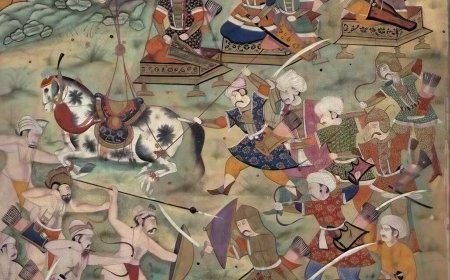
Therefore, the Mughals had to gain this fort. In 1596, Mughal General Raja Mansingh deployed an army to conquer the Fort of Bhushna, which was now headed by Kedar Rai and Khwaja Sulaiman.
During the ensuing battle, Khwaja Sulaiman was killed and Kedar Rai escaped and sought refuge with Isa Khan. Khwaja Sulaiman died while defending the fort that ironically, he himself once conquered from Kedar Rai.
The Akbarnama, an official chronicle of Mughal Emperor Akbar’s reign, does not provide details, but one wonders if that was the price to be paid by Khwaja Sulaiman. He was eldest in the Lohani family, and their invasion of the fort led to Kedar Rai’s family member being killed.
Whereas the rest of the clan received land from Isa Khan, Khwaja Sulaiman remained behind and guarded the fort with his life. His brothers and sons are known to have settled in Mymensingh for the next 18 years, before evacuating to Sylhet due to Mughal onslaughts.
Today, Faridpur is known for the folk music of Jasimuddin, jute and fish trade, and being a railway hub. However, the Fort of Bhushna is an obscure site in ruins, with most of the bricks removed and overgrown shrubs and trees surrounding the site.
One would have to be a history enthusiast to actually travel there. Prominent men from storied lineages died defending this citadel to secure their lives and livelihoods, and on this day, all we have are their stories.
Tamim Choudhury is a public affairs specialist for an international volunteering agency. The views expressed are of his own.