

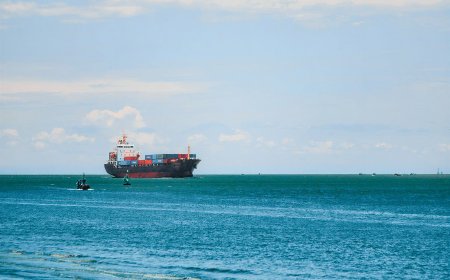

























































Development has delivered. But its purpose has shifted. We must acknowledge the shift and use the new age of development capital to build solutions that are built by us, owned by us, and that work for us. This is not a dying industry’s last rites. It is a graduation, and we should conduct it like one.

Governments across Europe are undertaking open-source software migrations, even though they can easily afford to pay for proprietary software. Bangladesh should also make this transition to save our hard-earned foreign currency.
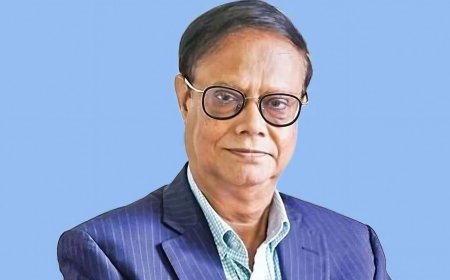
Ahsan Mansur’s reflections extend far beyond central banking. His message is that meaningful reform cannot be achieved through administrative measures alone. It requires political consensus, institutional independence, rigorous accountability, and a commitment to the rule of law.

One missing article does not establish a return to authoritarianism. It does, however, present an opportunity to reject secrecy and reaffirm a principle before uncertainty hardens into distrust.
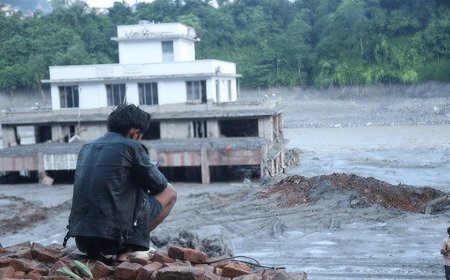
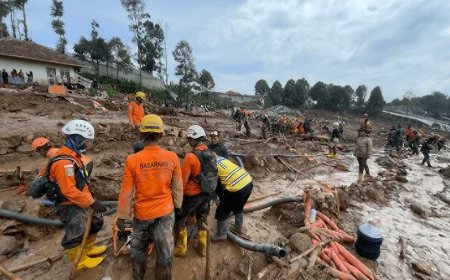
There is no room to view this incident as merely an isolated natural disaster. It is essentially a reflection of the utter failure of global climate politics and an unequal global structure.
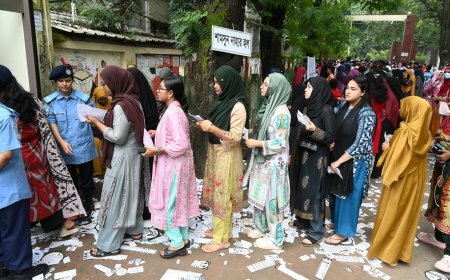
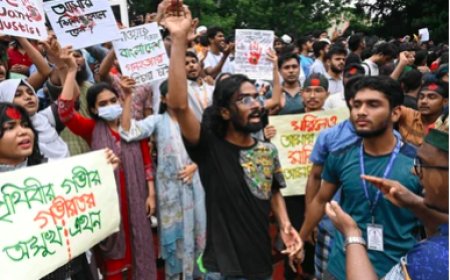
Bangladesh’s universities have long produced political movements and political leaders. They can also become laboratories for better political institutions. A democracy willing to experiment with how it listens to voters may ultimately become better at hearing them.
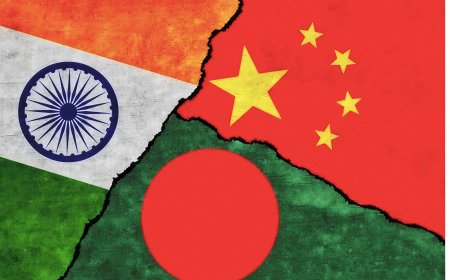
Bangladesh does not need an India-first, China-first, Russia-first or West-first foreign policy. It needs a Bangladesh-first foreign policy. And perhaps the simplest test of such a policy is this: Which choice leaves the country with more doors open?
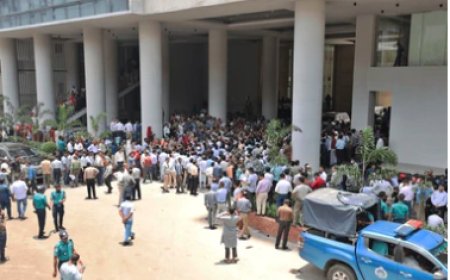
In public recruitment, discretion is not automatically a sign of sophistication, and subjectivity is not automatically a measure of quality. Sometimes the most modern recruitment system is simply the one that leaves the least room for anyone to ask who was favoured and why.
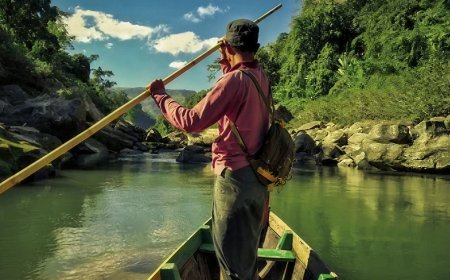
To promote Bangladesh's tourism industry, we need to look beyond what we would desire as local tourists and focus on what foreign tourists tell us they are interested in.

History rarely tells countries in advance that the rules of economic advantage are being rewritten. This time, the warning is already visible. Bangladesh cannot recover the technological revolutions it entered late. But it can still decide whether it arrives late to this one.
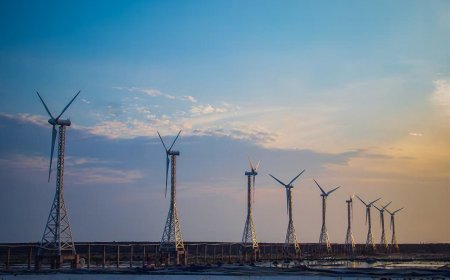
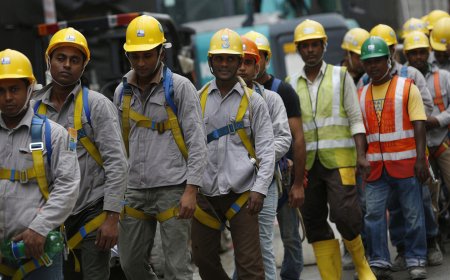
At the same time, Bangladesh is producing a growing number of university graduates who are struggling to find productive employment. Rather than treating these two problems separately, Bangladesh should connect them.

Ganapati Chakraborty dedicated his life to guiding generations of students towards truth and justice. The blood of his family must not fade into just another transient headline.
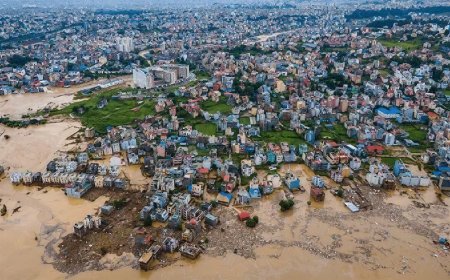
Nepal is owed something more substantial than sympathy and more useful than a loan charging interest on damage it did not cause. Monitoring of unstable ice and glacial lakes concerns the whole basin and should be funded on a standing basis, with hydrological data crossing borders as a matter of routine rather than negotiation.
The ultimate test should be simple: Does membership enhance Bangladesh's security, economic interests and diplomatic leverage while preserving its freedom to make independent decisions? If the answer is yes, the pact deserves serious consideration. If it threatens strategic autonomy, caution should prevail.
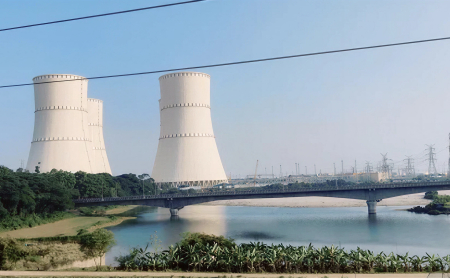
Bangladesh stands at an energy crossroads. By pairing modern financial risk management, diversified onshore infrastructure, and long-term producer partnerships with free-market structural reforms, the nation can move past recurring energy crises and build a resilient foundation for future economic growth.
The silence at dawn in Tipra Para is not the silence of an empty forest. It is the quiet of a community whose presence has survived successive rounds of leases, surveys, forest classifications and conservation measures.