


































































When Global South outlets amplify that framing without question, they become complicit in a propaganda architecture they did not build and do not control.

China can simply keep enough doors open for Iran to survive and enough alternatives available for other Middle Eastern states to avoid choosing the US alone.
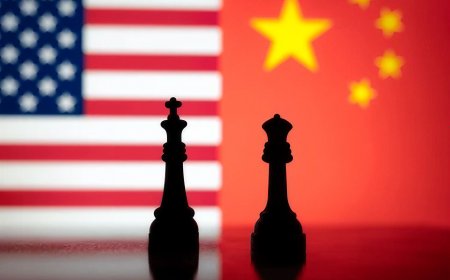
China leads in AI publication volume, citations, patent output and industrial robot installations, while the US retains advantages in notable model development, high-impact patents and investment.
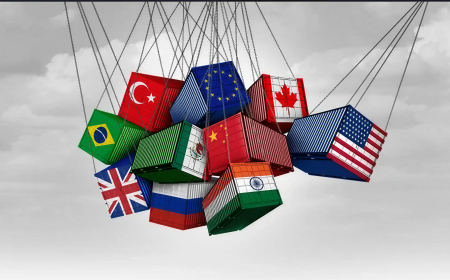
Engagement with China is presented as proof of resistance against Western dominance. Good relations with India become synonymous with regional stability. Foreign policy becomes a performance of political identity rather than a framework for advancing long-term national interests.
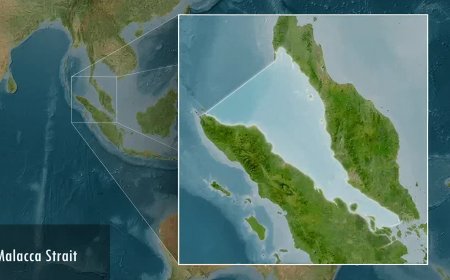
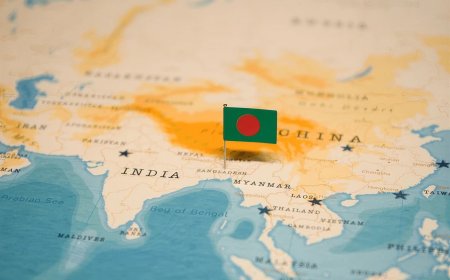
There is the India-shaped hole in the map. By excluding New Delhi, Beijing has made the corridor more diplomatically tractable, but it has also converted an economic connectivity project into a more explicit piece of the China-India strategic contest in the Bay of Bengal.
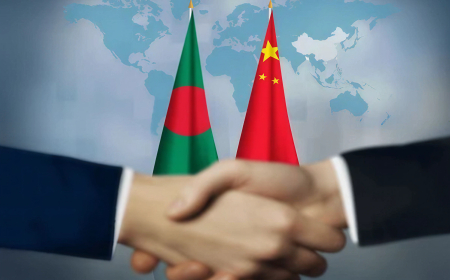
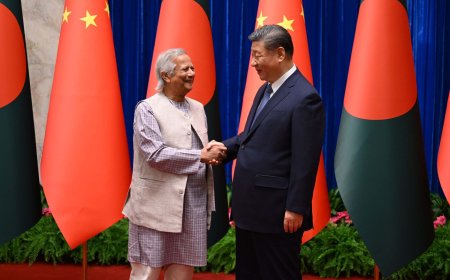
This history matters for one simple reason -- the corridor China proposed in Beijing in June to the Bangladeshi Prime Minister is the same idea, with the same starting point in Kunming, with the same logic, but without India.
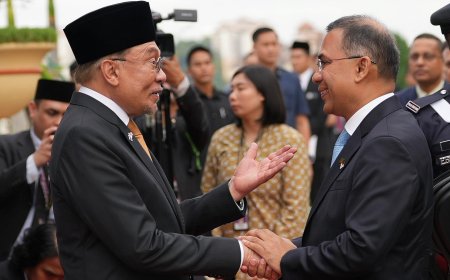
This is not a government choosing China over India, or East Asia over the West. Rather, Dhaka is trying to keep every door open for as long as the money keeps coming in and as long as no single lender or ally claims it exclusively.

The tragedy in Myanmar will not stop, the junta rules a hollow state, the rebels hold territory but don’t have a future vision moving forward.
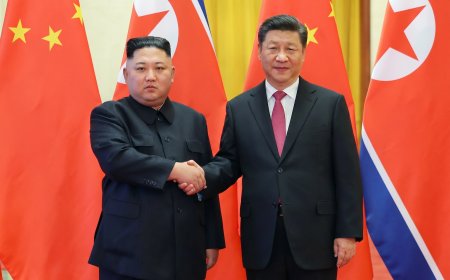
Kim is no longer the supplicant figure of earlier years. He bargains now. He postures. He makes patrons come to him.
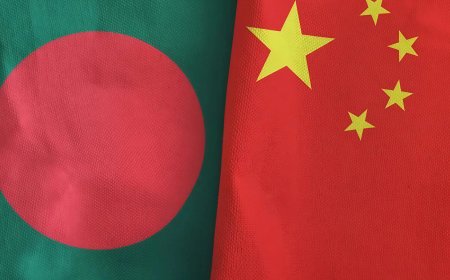
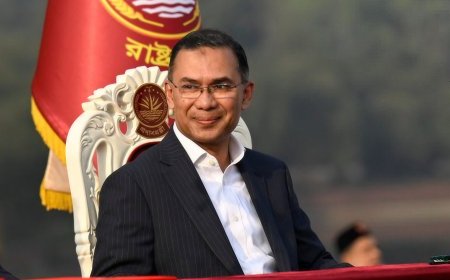
Tarique Rahman’s expected Malaysia-China sequence is a necessary correction to an India-centric past. Malaysia gives the visit diplomatic balance and China gives it strategic weight. But the correction will only succeed if it produces a wider foreign-policy basket without chipping away at Bangladesh’s sovereign decision-making space.
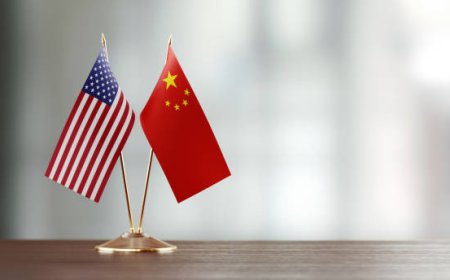
The Chinese leaders learned it well, as was evident in his call to Mr. Trump in the opening remarks of Chinese Premier Mr. Xi Jinping, who urged him to avoid falling into the Thucydides trap and embrace peace for global prosperity. But at the close of the talk, the disturbing global concerns may be: is there a second Kissinger, or a President like Nixon, to achieve the same?
In this environment, terms like “deep state conspiracy,” “foreign funding,” etc provide a ready‑made vocabulary for dismissing the July uprising as manufactured rather than acknowledging the real anger that drove it.
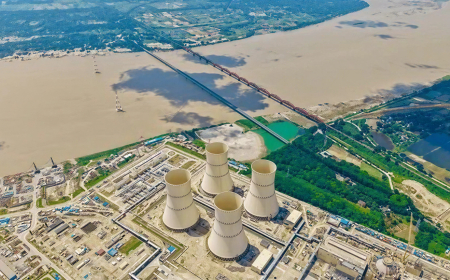
The recent trade agreement with the US could stop Bangladesh from building any more nuclear power plants.

When the world's sole superpower declares itself a pirate, it may be time to dust off a 17th-century peace treaty.
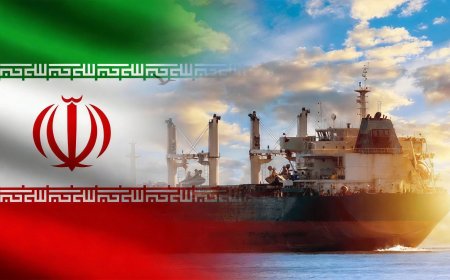
The strategic balance of the world has changed because from this point onwards. Future crises will be shaped by deterrence from multiple directions. The lesson from Iran’s victory is nothing short of a paradigm shift
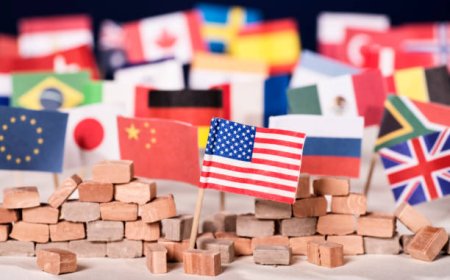
Bangladesh is a small fish in a big pond. Mr. Rahman must show enough courage to defend the country’s sovereignty while recognizing Bangladesh’s limits and acting rationally as a national statesman: That requires him not to design foreign policy based on whatever the prevalent mood is on social media.