








































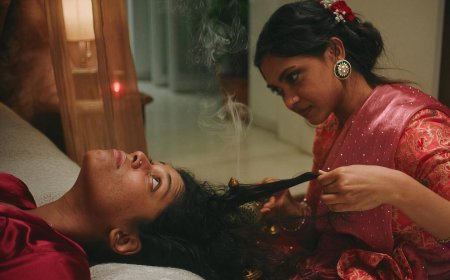







We cannot build a healthier political culture while treating humiliation as entertainment whenever it happens to someone we dislike. Disagreement is part of public life; cruelty does not have to be.

While his record suggests he wouldn’t make the current team, his attitude suggests he’d be the first one picked. For cricket isn’t always just about statistics, and sometimes it is about who can move and inspire, and who can give it their all.

Securing the maritime area was only the beginning. Bangladesh must now protect the area, ensure maritime security, safeguard its environment, and develop the capacity to explore and responsibly utilize the resources of the seabed and subsoil.

A post receiving hundreds of reactions may make someone feel appreciated, while a post receiving little attention may create disappointment or self-doubt
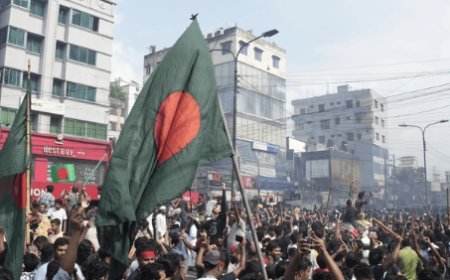
The Bangladesh we aspire to build will not emerge from slogans alone. It will emerge from the courage to reform, the discipline to implement, the wisdom to learn, and the integrity to put national interest above narrow interests.
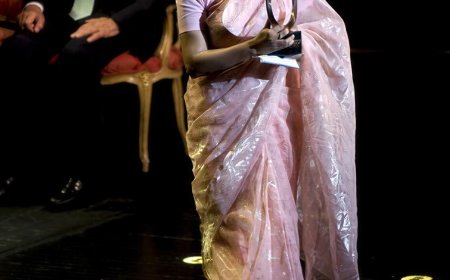
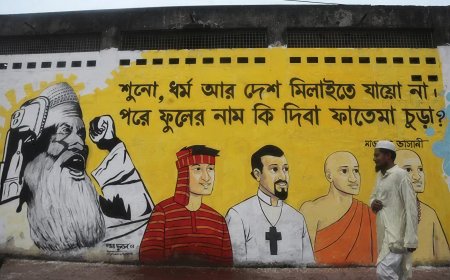
If a person judges a politically active woman not by her arguments but by her prayers and faith, how would he have regarded the millions of citizens whose religions, beliefs, lifestyles and religious practices differ from his own if he had acquired state power?
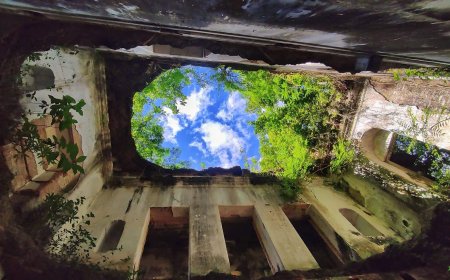
Today, Faridpur is known for the folk music of Jasimuddin, jute and fish trade, and being a railway hub. However, the Fort of Bhushna is an obscure site in ruins, with most of the bricks removed and overgrown shrubs and trees surrounding the site.

In fact, for an American diplomat, Ambassador Peters sometimes sounded remarkably like a demanding Bengali mother: Bangladesh is already one of the ten most populous countries in the world, so naturally nothing short of becoming a top-ten country in every other respect should be acceptable.

Bangladesh does not need another generation that merely knows how to speak about religion, culture, patriotism, or morality. Perhaps we need a generation that knows how to live them. And perhaps that is where the real Bangladesh begins.
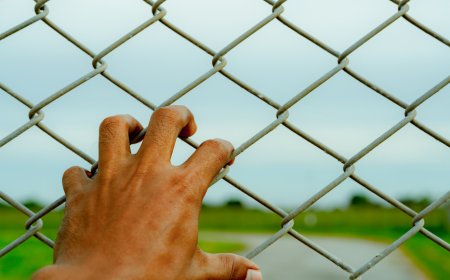
As the global aid system shrinks itself by design, Bangladesh is being asked to do more, with less, twice over -- once for a million Rohingya it did not create, and once for a climate crisis it did not cause.

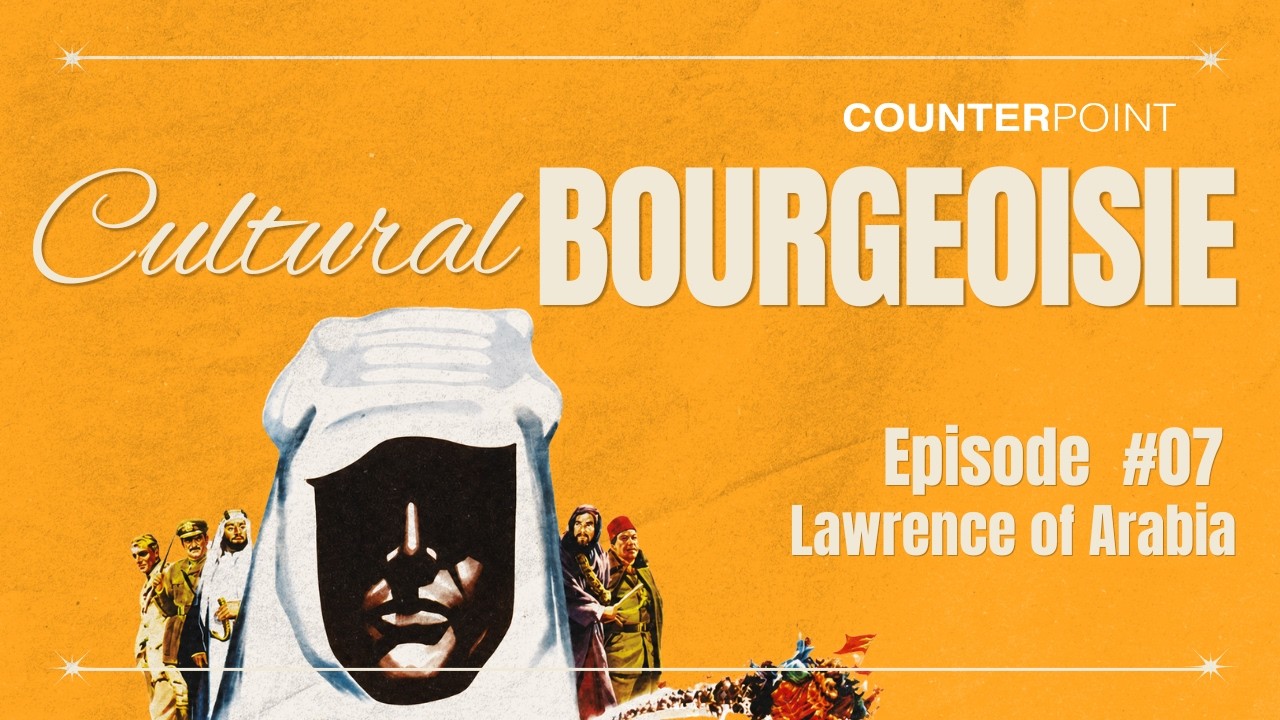
In this episode 10 of Counterpoint With Zafar Sobhan, host Zafar Sobhan is joined by Runa Khan, Founder and Managing Director of Friendship, for an insightful conversation on social development and humanitarian work. The discussion explores the challenges facing communities in Bangladesh and the importance of creating sustainable opportunities for meaningful change.
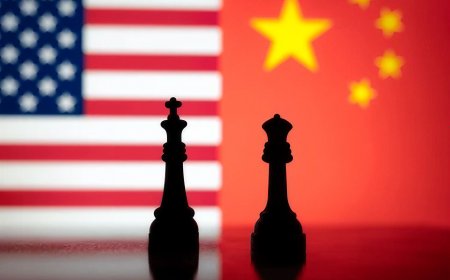
China leads in AI publication volume, citations, patent output and industrial robot installations, while the US retains advantages in notable model development, high-impact patents and investment.

The nation needs a doctrine to specifically define what the state should exist for and what it should deposit into the people's account for a longer term than an electoral cycle. The plan can be subordinated to the doctrine to ensure continuity of governance, not of party.

The success of a country's moral education cannot be measured by looking at children's lips. If you want to measure it, ask whether a seven-year-old child can sleep safely at night inside that institution.
To live fully is to stand barefoot on the razor's edge between what we know and what we can only feel -- embracing the magnificent chaos of a mind that refuses to be tamed.

Bangladesh does not need more boxes ticked. It needs evidence that financial crime is investigated regardless of who committed it, that stolen assets can be recovered, and that institutions can withstand political pressure.