






















































The government deserves credit for pushing out its electoral promises at the soonest, without being bogged down by the bureaucratic miasma. It deserves credit for providing a long-term aspirational strategy. However, the government must now pivot to confront the crisis of confidence that is imminent.
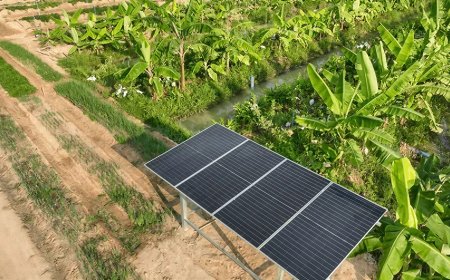
A project does not automatically become sustainable simply because it produces clean electricity. Renewable-energy development should not unnecessarily displace communities, convert productive farmland, destroy wetlands or wildlife habitats, obstruct natural drainage, or damage ecologically sensitive landscapes.
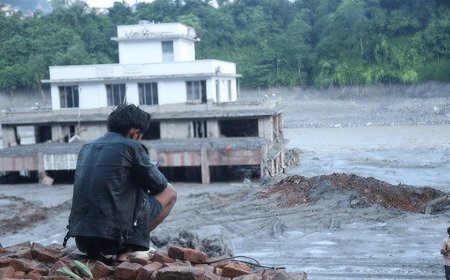
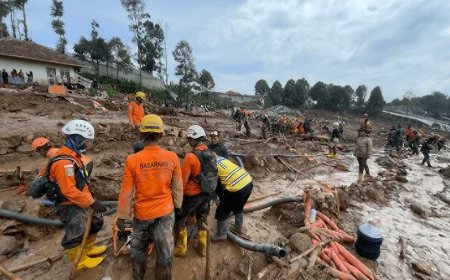
There is no room to view this incident as merely an isolated natural disaster. It is essentially a reflection of the utter failure of global climate politics and an unequal global structure.

A common citizenship need not require a common mother tongue. Diversity, when constitutionally recognized, can strengthen a state; when suppressed, it can eventually break one apart.
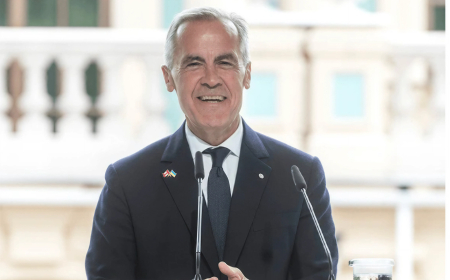
At a time when the world is looking for direction on how to contend with conditions that are anything but normal, Carney is better placed than any of his peers to shoulder the responsibilities and expectations that come with being the de facto leader of the global middle
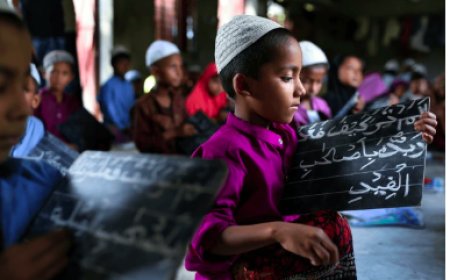
To halt this blind expansion of those who cannot tolerate any difference of opinion, and to protect our collective future, rising against this destructive system and radically transforming it is the greatest demand of our time.
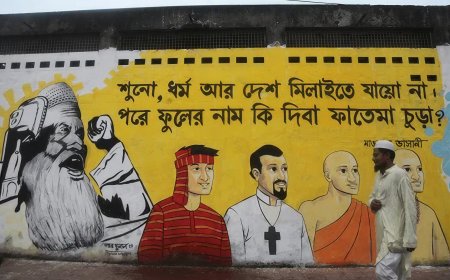
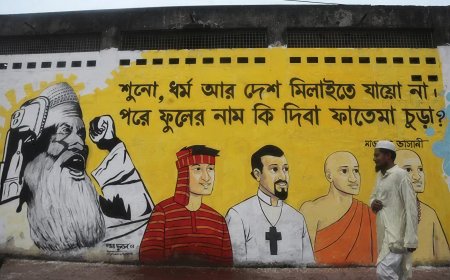
Bangladesh does not need to choose between religion and secularism. It must choose between a democratic political system, where diverse beliefs co-exist under shared constitutional rules, and a politics where identity is weaponized to determine belonging.
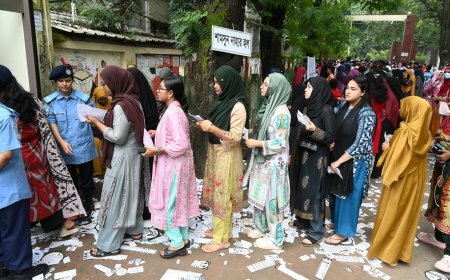
Bangladesh’s universities have long produced political movements and political leaders. They can also become laboratories for better political institutions. A democracy willing to experiment with how it listens to voters may ultimately become better at hearing them.
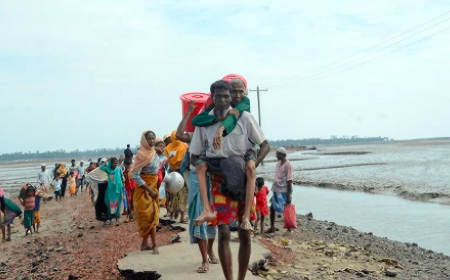
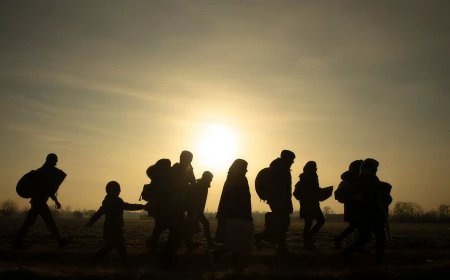
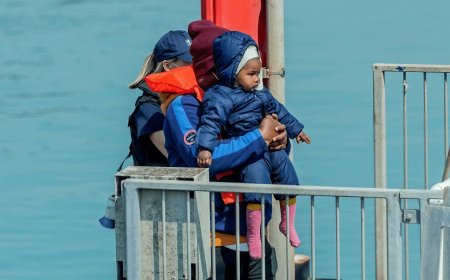
Nine years ago, the Rohingya crossed into Bangladesh expecting to stay for a season. They are still there. The speeches have changed hands three times, but the camps have not moved.
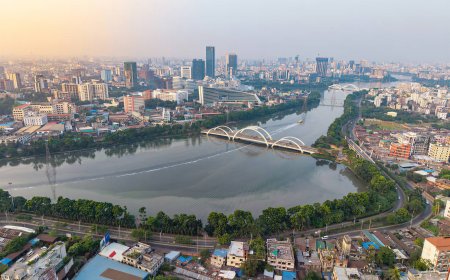
By embracing enduring, rights-based institutional programming, Bangladesh and the broader development community can plant the seeds of a resilient, deep-rooted institutional banyan tree that will stand firm through future economic and climatic storms.

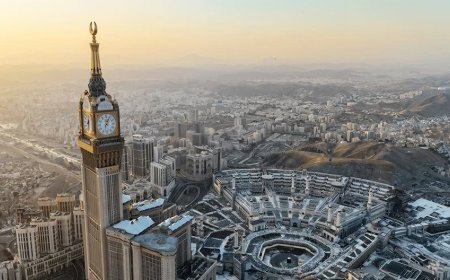
The J-Z Show examines the Mecca Pact, Bangladesh’s potential role in the emerging security arrangement, and what the latest US visit reveals about Dhaka’s evolving geopolitical position.
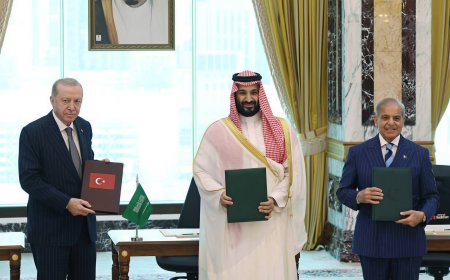
A defence pact that only defends when nobody is actually being attacked is not a defence pact. It is a press release, and Mecca's first stress test made that painfully clear.
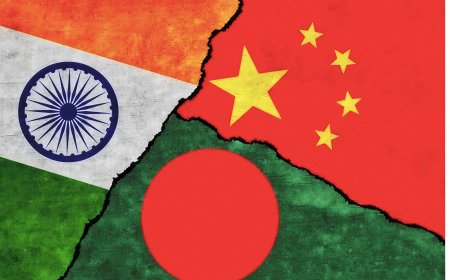
Bangladesh does not need an India-first, China-first, Russia-first or West-first foreign policy. It needs a Bangladesh-first foreign policy. And perhaps the simplest test of such a policy is this: Which choice leaves the country with more doors open?
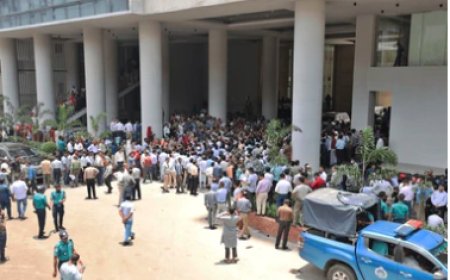
In public recruitment, discretion is not automatically a sign of sophistication, and subjectivity is not automatically a measure of quality. Sometimes the most modern recruitment system is simply the one that leaves the least room for anyone to ask who was favoured and why.
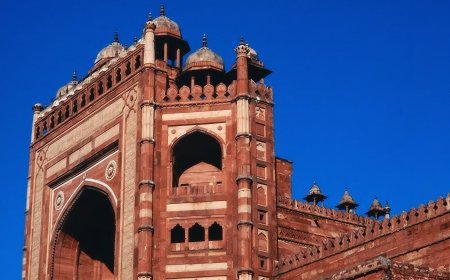
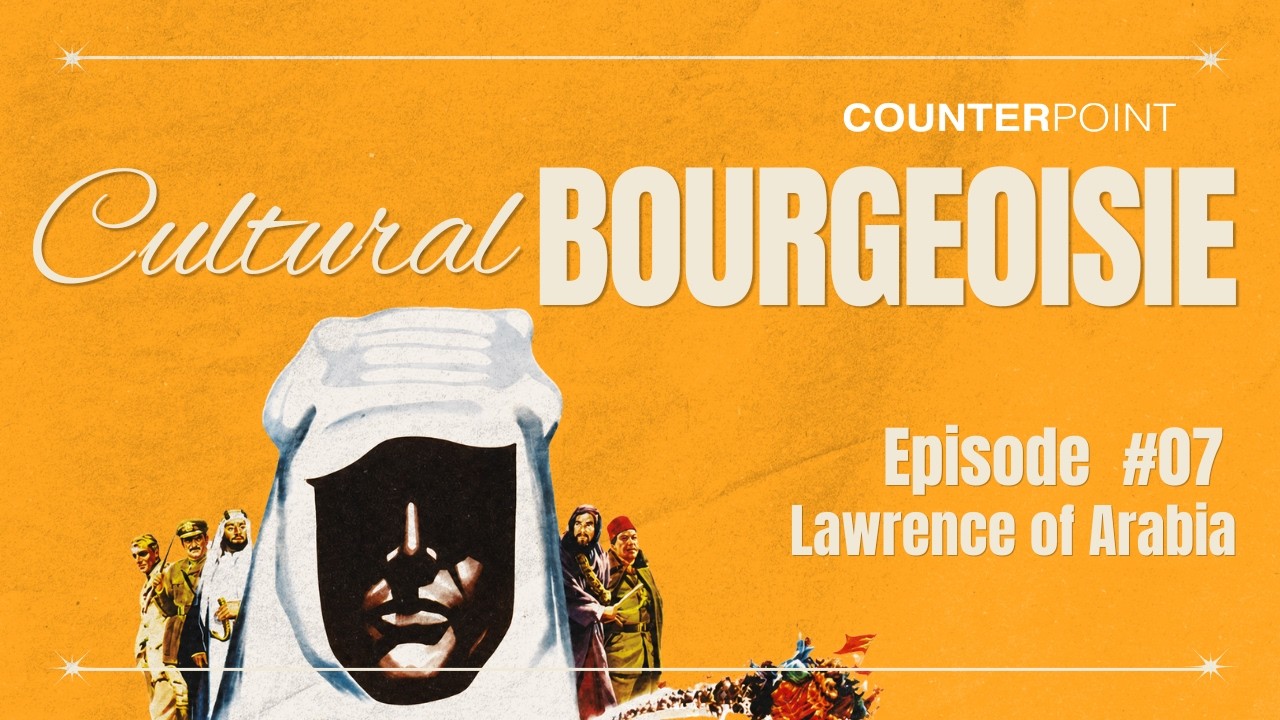
What if Salman Rushdie's Mughal-Florentine fever dream was the film South Asia desperately needs right now?

While recency bias plagues most All-Time XI lists, where how far you go back tends to depend on how old you are, with Bangladesh, we don’t really have to worry about that, as we can only go back to 2000 anyway.