


























































Life is not easy, and assuming it is will only lead to trouble. Yet, there is immense strength in embracing this reality with courage.
The lesson from this survey is a simple one. The government should spend this window of reserved judgment governing, and communicating clearly to the public that it is doing so. The public has made its patience conditional on visible actions, reserving judgment on results. It will not last indefinitely, and it should not be mistaken for endorsement.

At the same time, Bangladesh is producing a growing number of university graduates who are struggling to find productive employment. Rather than treating these two problems separately, Bangladesh should connect them.

Ganapati Chakraborty dedicated his life to guiding generations of students towards truth and justice. The blood of his family must not fade into just another transient headline.

Bangladesh cannot end the war in the Middle East. Nor can it prevent the next pandemic, commodity shock or geo-political disruption. What it can do is decide how exposed its citizens will be when the next shock arrives.
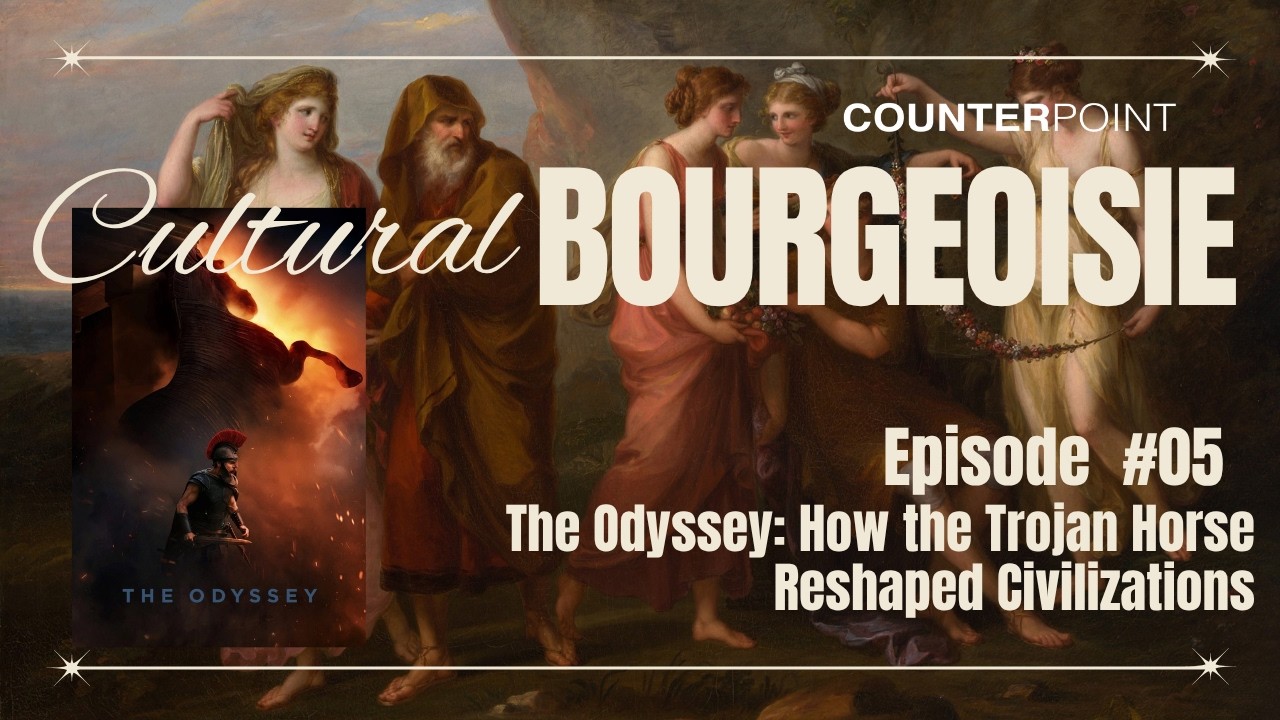
In Episode 05 of Cultural Bourgeoisie, Jyoti Rahman and Ehteshamul Haque explore The Odyssey, Christopher Nolan’s approach to bringing the ancient epic to the screen, and the lasting cultural influence of the Trojan Horse. The discussion also travels through Nolan’s recent films and some of history’s greatest novels and stories.
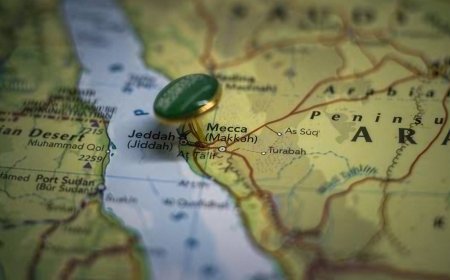
The strongest argument for Bangladesh joining the pact is not ideological or geo-political. It is strategic and an opportunity to strengthen its security, defense capabilities, economic partnerships, and diplomatic influence, while preserving its desired goal of strategic balance.

“They may not be graduates yet. There's a long way to go for that, but in their hearts they are graduates,” she said, beaming with pride for each one of those students.

A democracy cannot ask citizens to trust the ballot while treating one of their ballots as optional. The government received its mandate from the people. The July Charter received its mandate from the people as well. Both must be honored.
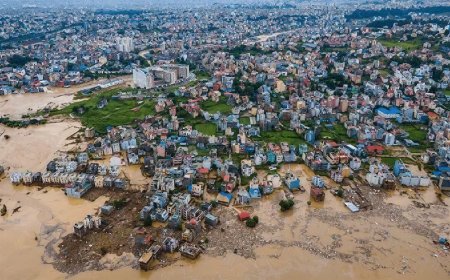
Nepal is owed something more substantial than sympathy and more useful than a loan charging interest on damage it did not cause. Monitoring of unstable ice and glacial lakes concerns the whole basin and should be funded on a standing basis, with hydrological data crossing borders as a matter of routine rather than negotiation.
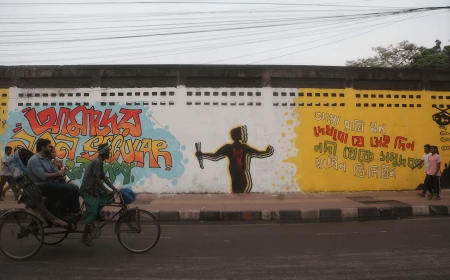
July’s azadi was powerful because it was capacious. It united people who agreed on the regime they opposed but not necessarily on the republic they wished to build.

Somewhere between those two narratives, Ganapati, Pritilata, Agami and Ayush risk ceasing to be four human beings and becoming evidence for somebody else’s political story.
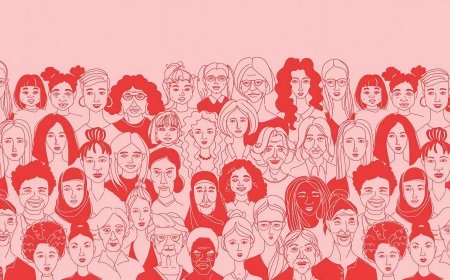
Patriarchy does not survive only because men consciously decide to oppress women. It survives because its norms can become embedded in families, institutions, communities and individual beliefs, including the beliefs of women themselves.
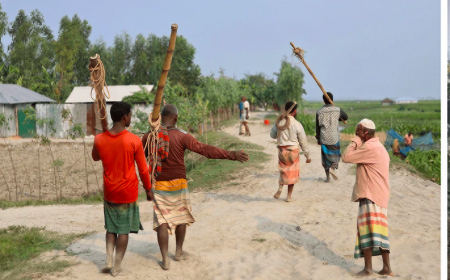
Our loyalty belongs strictly to Bangladesh, to our rivers, to our workers, to our ecology, to our farmers, to our reforestation, and to our children. It is time to discard every foreign proxy and forge a new political vocabulary

The state has a responsibility to protect victims and punish offenders. It has an equally important responsibility to protect people from arbitrary or prolonged detention.
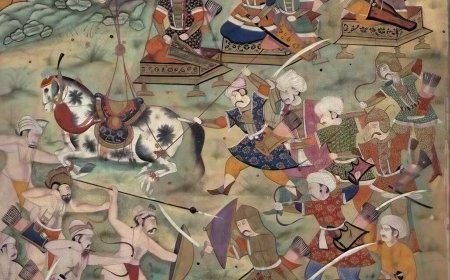
![A Ledger of the Soul: Navigating the Allah-Bhagavant Nexus in a 19th-Century Puruṣākāra Jñāna Caupara [Gyan Chauper]](https://counterpointbd.com/uploads/images/202608/image_430x256_6a93baa3b09a7.jpg)
Taken together, the visual, linguistic, and material evidence suggests that this folio preserves a rare intellectual milieu in which Persianate and Indic traditions were not experienced as competing systems, but as complementary vocabularies for describing the soul’s ethical journey.