


















































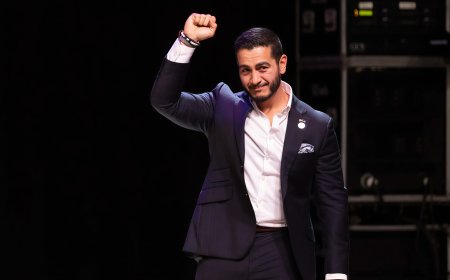
Born to Egyptian Muslim parents, he wants to make a positive difference in the lives of everyday Americans. It’s a matter of pride that he boldly speaks of his Muslim faith, despite the horrendous backlash faced by this community, especially if someone dares to try rising to the ruling class.

Hi isn’t a message. It’s a doorbell. Say the thing, or call. I might even pick up.

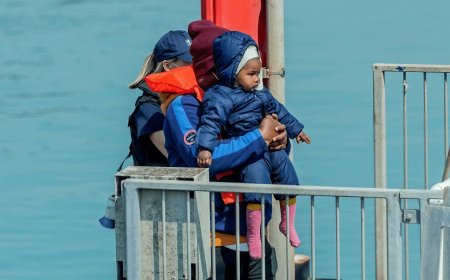
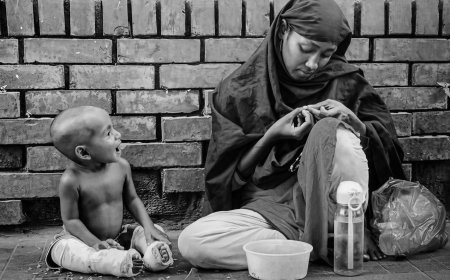
The mother is running for survival. Her hope, perhaps, is that one day her daughter will be able to run for choice. That distinction matters.
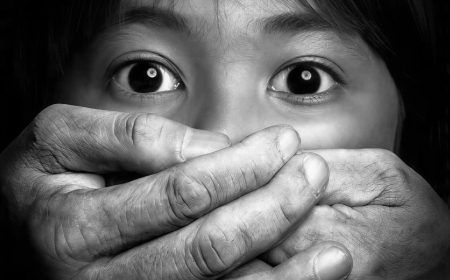
When a grown man rapes an 11-year-old and society's first instinct is to ask whether the girl was "of age," the problem is no longer just one predator. It is a collective willingness to call a psychiatric disorder a matter of taste.
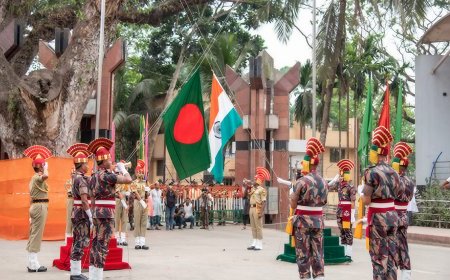
Bangladesh and India have repeatedly attempted to reset their relationship, but deep-rooted disagreements over sovereignty, regional power, strategic autonomy, water sharing, and economic reciprocity continue to undermine trust.

To promote Bangladesh's tourism industry, we need to look beyond what we would desire as local tourists and focus on what foreign tourists tell us they are interested in.
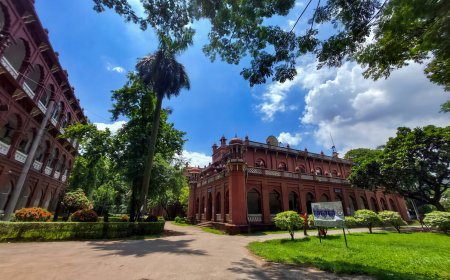
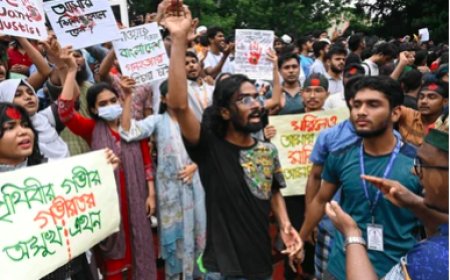
Had Begum Rokeya been alive to see the name “Oborodhbasini”, the platform through which female students are challenging these restrictions, perhaps she would have recognized the continuity before she noticed the novelty.

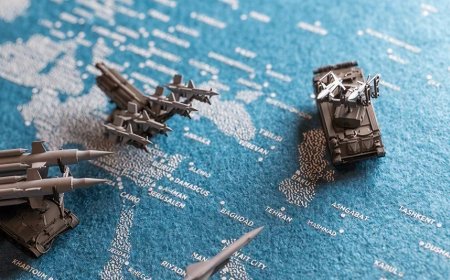
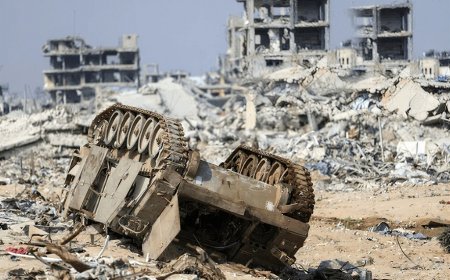
History is filled with lessons of how not to escalate wars and perhaps even avoid them; we have now known for decades what we need to do to limit and perhaps even reverse anthropogenic climate change; and the supernova of AI can be regulated to fit and work for human dignity and agency
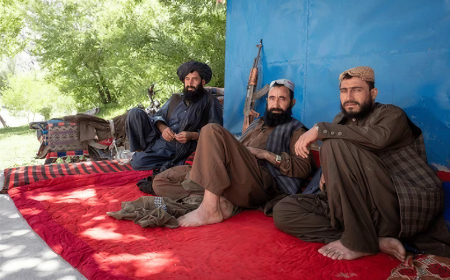
A regime fighting a two-front war against Pakistan and internal insurgents, unable to feed its own base, splitting at the leadership level, and now facing a resistance movement finally capable of operating on its own home turf.

A bank can hold substantial cash yet still be financially weak if years of loan losses have eroded its capital. This distinction is especially important in Bangladesh.
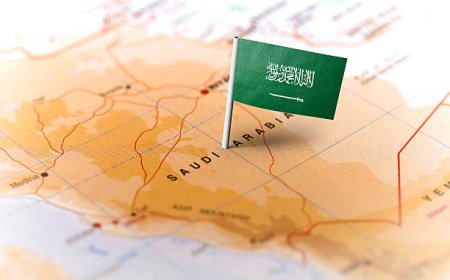
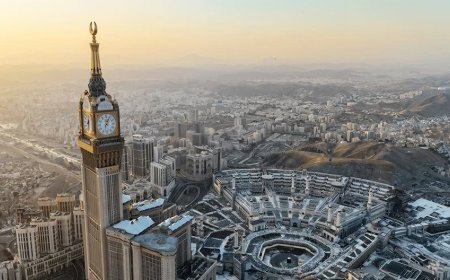
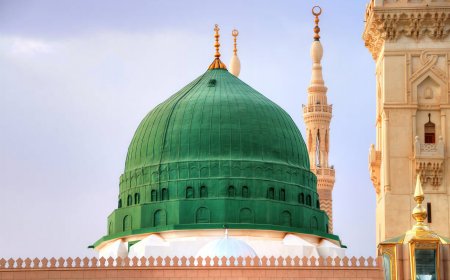
So the question becomes: If Bangladesh joins the Mecca Pact, which of its immediate security problems will be solved? My answer: Not very many.
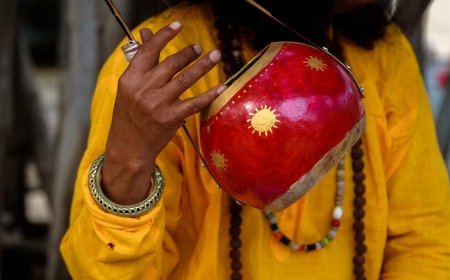
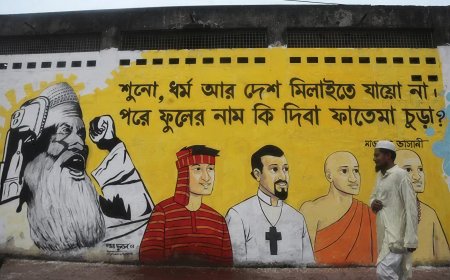
Bangladesh’s identity was never meant to be dictated by an elite minority, nor silenced by fundamentalist threats. The real sound of the nation is already playing; it is time to secure the stage and let it resound.

History rarely tells countries in advance that the rules of economic advantage are being rewritten. This time, the warning is already visible. Bangladesh cannot recover the technological revolutions it entered late. But it can still decide whether it arrives late to this one.
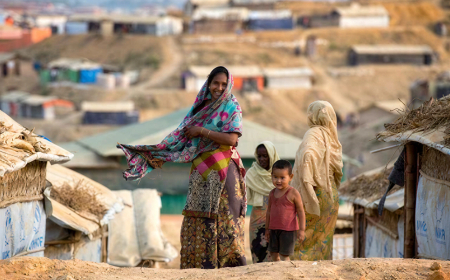
The Rohingya do not need another anniversary of international concern. They need a credible pathway to a future.
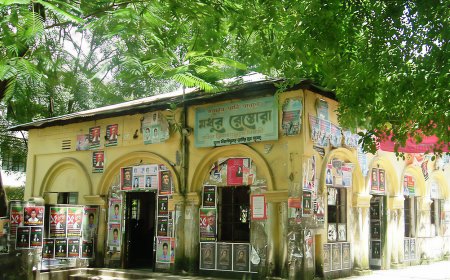
A Bengali Muslim could support the idea of Pakistan at one moment, fight for Bengali language rights at another, and later resist the Pakistani state itself. Political identity changes through historical experience. That change is not an inconvenience to history. It is history.
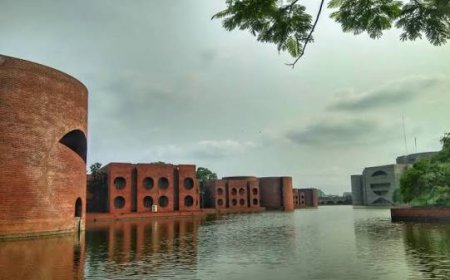
An uprising can reclaim space without reclaiming sovereignty. It can capture a symbol without capturing the mechanism. It can change the occupants without changing the architecture of access.