











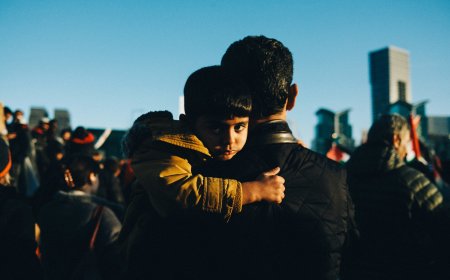




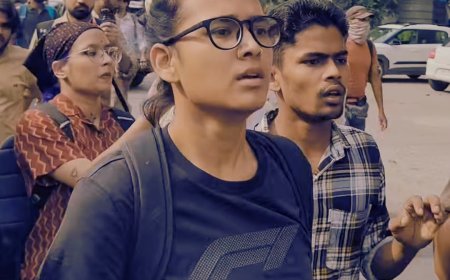
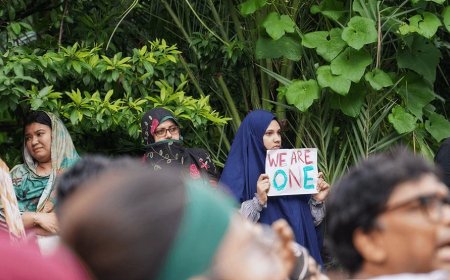
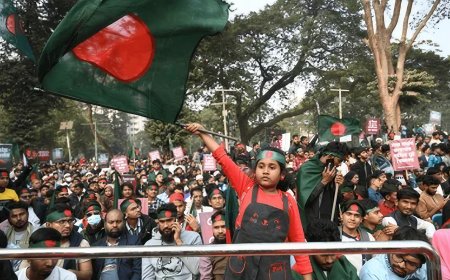
































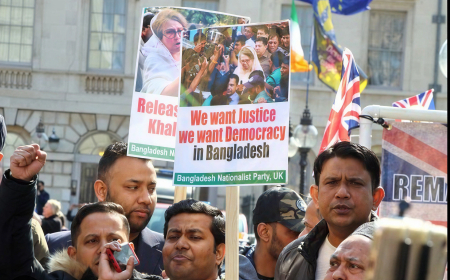
Democracy survives not because leaders are always virtuous, but because citizens possess the courage and awareness to resist injustice.
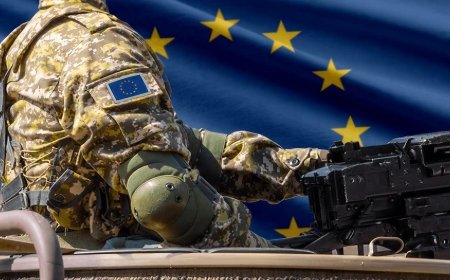
A more self-reliant Europe could also stimulate greater defence-industrial cooperation, increased arms exports, and new opportunities for technological and industrial partnerships with smaller states. It may ultimately contribute to a more multipolar international security environment in which European powers exercise greater strategic influence.

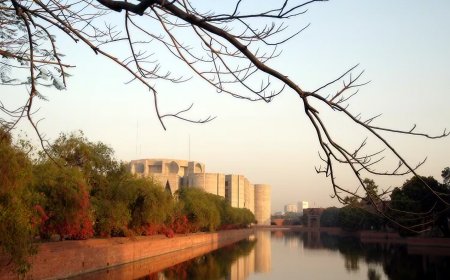
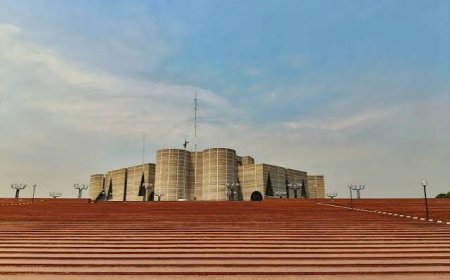
A parliament is not a place to demean women for their Islamic attire; its primary mandate is to protect and uphold the rights of every citizen. Failing to do so violates the democratic principles that the very institution was built to safeguard.
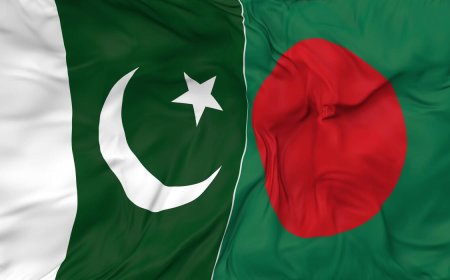
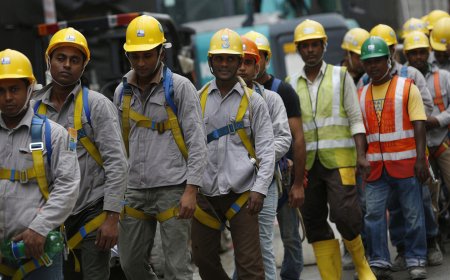
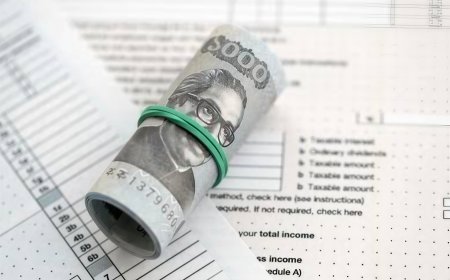
By placing Pakistan in MENAAP, the World Bank is giving institutional weight to this development path, one centred on migration, remittances, energy dependence, external finance and rentier capital. Pakistan’s reclassification is not Bangladesh’s crisis, but it is Bangladesh’s warning.
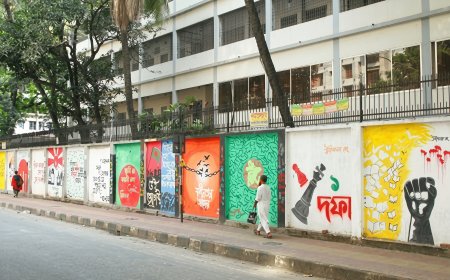
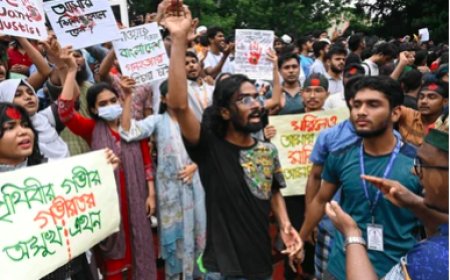
As the second anniversary of the July Uprising approaches, the country has a rare opportunity to move beyond ceremonial commemoration and begin the serious work of preservation.
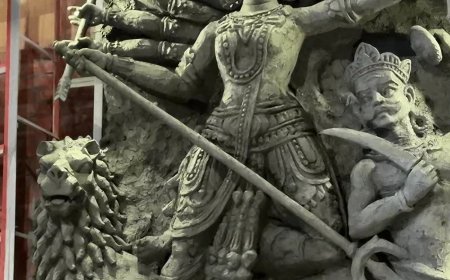
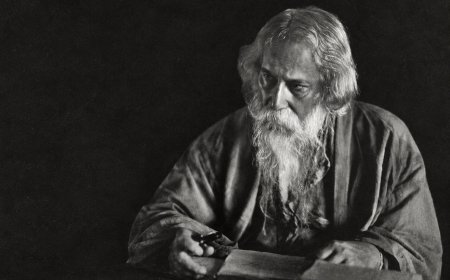
Whenever one reads the great poets and writers of China, India, Russia, Latin America, West Asia, or any other part of the world, they can find themselves inhabiting their worlds and seeing life through their eyes. Their experiences become part of my own intellectual and emotional landscape. In that sense, I cannot confine myself to being only an ethnic Bengali.
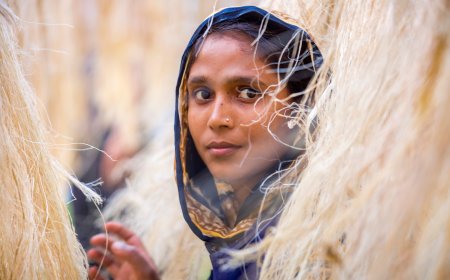
When the language of subalternity becomes a resource through which those closest to power construct their own political identities, we are compelled to ask: Are we truly listening to the voices of the marginalized, or are we witnessing the moral prestige of marginality being transformed into yet another form of political capital?
The significance of this visit lies in whether Dhaka brings the political alignment and focused preparation to match it. The advance preparation of specific project proposals, the investment conference architecture, and the push on FTA negotiations suggest it does.

The tragedy in Myanmar will not stop, the junta rules a hollow state, the rebels hold territory but don’t have a future vision moving forward.
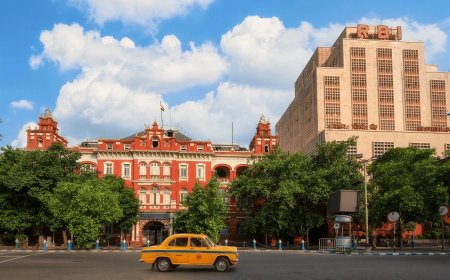
To me it is the story of a city that by its very nature of absorbing for more than 300 years a continued multifarious and rich cultural history of diversity into its DNA offered Zeenie the chance to be a player and observer and gain a wealth of experiences that would shape her befittingly in her later years.

The Calcutta of this book was plural in the way that daily life is plural, messily, in the way that a grandmother bakes a Christmas cake for her Muslim neighbour's grandchildren because they are downstairs and they love cake.

Satan is the most psychologically precise portrait of pride in all of literature, and he is rendered in the most beautiful blank verse in the English language.

The budget should tie its connectivity targets to affordability so that rural and low-income citizens can actually use what is being built, not just live within range of it.

However critical we may be, the role of the Indian media is noteworthy in the recent remarks of the ex-Chief Minister of West Bengal made on the case of Hadi killings. They collectively refrained, through mainstream and social media, from broadcasting the news publicly to preserve their national interests.

A political culture that cannot imagine women as independent political actors inevitably returns to patriarchy's oldest explanation: If a woman has succeeded, she must have traded her body for power. That explanation tells us very little about women. But it tells us almost everything about the society that produces it.

Climate activists paint a dire picture of rising temperatures devastating crops and fueling famine, but they are mostly wrong. Climate change will alter farming conditions, benefiting some areas, challenging others, with a net negative but negligible impact.