


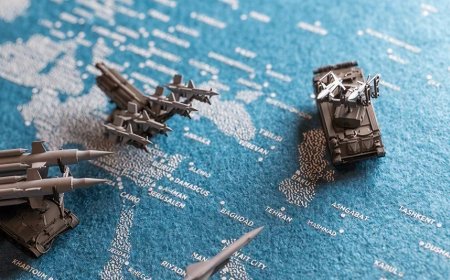
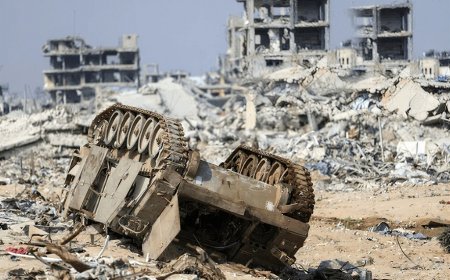
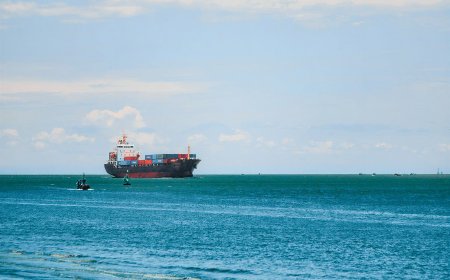




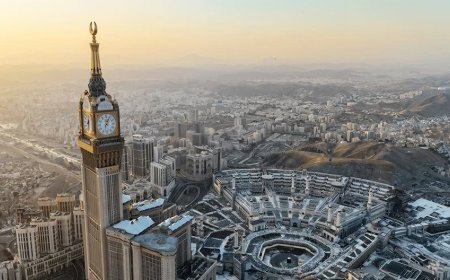





















































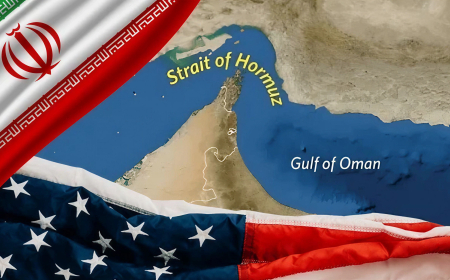
The US-–Iran memorandum ended a war on American terms. But the fine print on the Strait of Hormuz, like the rise of the mediators who brokered it, tells a more complicated story.
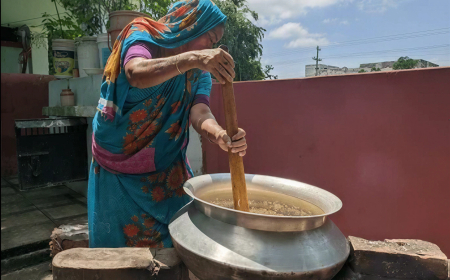
The language of our food carries a social order within it. That is what we name, what we price, what we celebrate, and what we quietly demand of women versus men at the dinner table is not neutral tradition. It is instruction, delivered warm in a serving bowl, generation after generation.

Bangladesh now has the diagnostic tools, the legal framework, and crucially, the public honesty about the scale of the task that previous governments lacked. What it does with that foundation over the next two to three years, not the next two to three months, is the real story still being written.
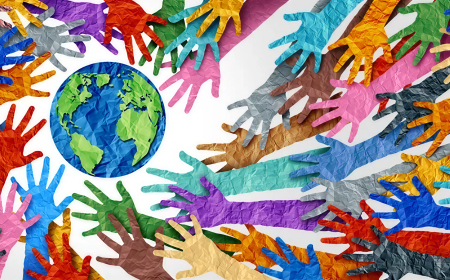
This asymmetry raises an uncomfortable question: If globalization is presented as a two-way exchange, why does cultural traffic so often move in one dominant direction?
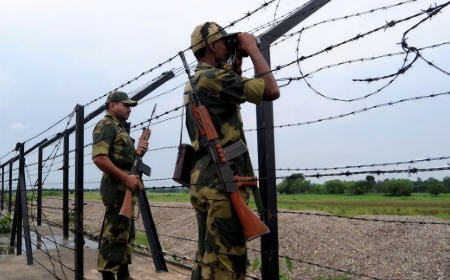
It is prudent for the Indian government to appoint H.E. Dinesh Trivedi, a former politician, as the High Commissioner to Bangladesh at a time when relations between the two countries are experiencing turbulence over the ouster of the last government.

The government and private sector have an opportunity to work together to translate the positive policy signals contained in the budget into tangible investment outcomes. If we do so successfully, Bangladesh will not only attract foreign capital but also encourage successful members of the Bangladeshi diaspora to invest their expertise, resources, and networks in the country's future.
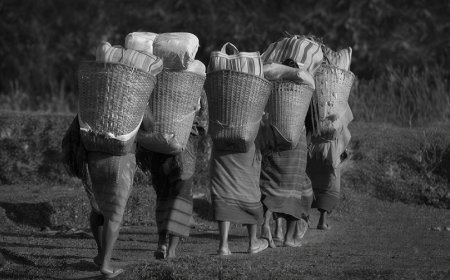
Bangladesh cannot claim to protect cultural diversity while systematically demolishing the indigenous land system that supports that culture.

Collagen, a fibrous protein composed primarily of glycine, proline, and hydroxyproline, is particularly important during the proliferative and remodeling phases. Without sufficient collagen synthesis, wounds may heal slowly, remain fragile, or become susceptible to infection and reopening.

The simple rule is this: If something can be misunderstood, it probably will be. And if it can be said in a simpler way, it should be. Because people do not expect perfect speeches. They just want clear ones.

Bangladesh Bank’s circular issued on June 11 represents a timely, strategic, and forward-looking shift toward the development and facilitation of alternative trade finance mechanisms.

Only through a combined approach -- strengthened technical capacity, strict regulation, and informed public awareness -- can we ensure that vaccines retain their full effectiveness from manufacturer to patient, and that preventable tragedies are avoided.
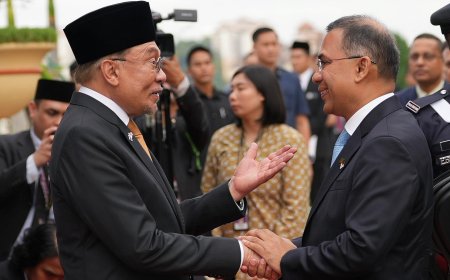
This is not a government choosing China over India, or East Asia over the West. Rather, Dhaka is trying to keep every door open for as long as the money keeps coming in and as long as no single lender or ally claims it exclusively.

Stability is not achieved through currency redesign, but through effective liquidity coordination and risk management within the existing global monetary framework.
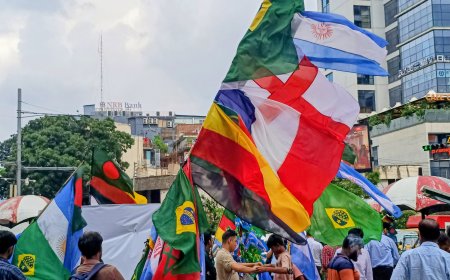
The distance between Bangladesh and the World Cup cannot be measured in kilometres. It is measured in institutions, accountability, planning, and political will. Perhaps one day, when the World Cup comes around again, one flag on that bamboo pole will sell just a little more than the rest.
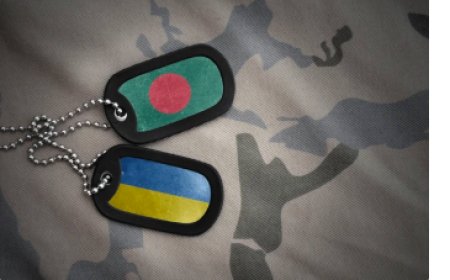
An unknown number of Bangladeshi young men whose families parted with savings of 10 lakh taka or more for the prospect of a better life for them, find themselves on a distant frontline in a war they never chose, in a country whose language they cannot speak, and fighting for a side they were never asked to join.

The first BNP budget allocates billions for growth, infrastructure, and social protection. But its success will ultimately be judged by whether it creates employment for Bangladesh's growing workforce.