




























































I would like young directors to understand that leadership does not require worship. I would like film sets where collaboration replaces hierarchy, where respect replaces fear, and where women are encouraged not only to appear in front of the camera but also to shape what happens behind it.

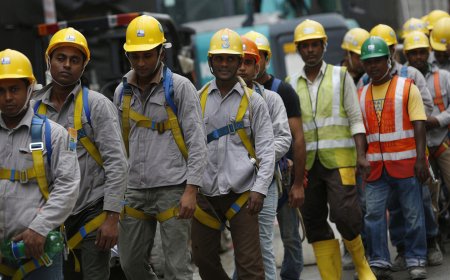
The foundations of a prosperous nation are not built in the cloud. They are built on the ground, in plants and workshops and export zones, by people who make things the world needs. It is past time to look down from the screen and begin.

Tarique Rahman’s expected Malaysia-China sequence is a necessary correction to an India-centric past. Malaysia gives the visit diplomatic balance and China gives it strategic weight. But the correction will only succeed if it produces a wider foreign-policy basket without chipping away at Bangladesh’s sovereign decision-making space.

It should be the topmost priority of any government to ensure that our education system is running independently with the most competent and scholarly educators.

Let us move beyond the annual rhetoric of a single calendar day. Let us embed environmental resilience into the DNA of our national growth, ensuring a safe, prosperous, and liveable homeland for generations to come.
What good economic policies actually look like -- and how to tell when they are missing

Bangladesh’s future depends not just on dismantling authoritarian systems, but on building institutions resilient enough to safeguard rights, mediate conflict, and hold power, whoever holds it, accountable.
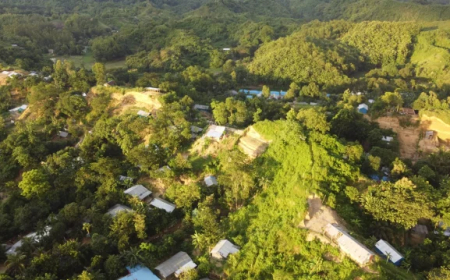
The political cost of holding Salimpur is carried by whichever party is in power. But the failure is not new. The Awami League, the interim government, and the current administration have all inherited and repeated the same failure. In that sense, it is the same failure under three different governments.

We owe our daughters, sons and every future generation something better than inherited shame. We owe them safety. We owe them dignity. Let silence end where abuse begins, on our screens and in our streets; through words that challenge, actions that protect, and a resolve that no longer looks away.

If a hostile landlord evicts us from our rented housing, or if an institution terminates our employment based on proven discrimination, we will be able look toward our Constitution with hope for reassurance and justice.

56 previous conferences have produced 56 joint records. The 57th record will be written in New Delhi over four days beginning June 8. It will either mark the beginning of a different kind of diplomacy, one in which Bangladesh’s written commitments mean something and India’s violations carry consequences, or it will confirm that the pattern has been accepted as permanent.

The most successful developmental states were not necessarily those that possessed perfect knowledge from the outset. Rather, they were states capable of learning rapidly, adjusting policies pragmatically, and building institutional memory over time.
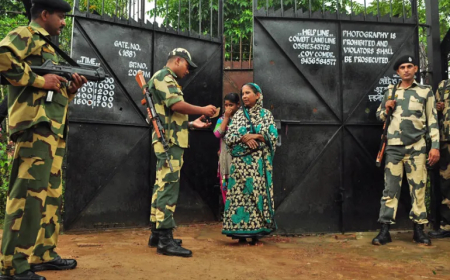
The clearest sign of gimmickry behind the so-called mission to control Bangladeshi immigrants is that the government has appointed a non-demographer to head an exercise on demographic change.

Ziaur Rahman deserves to be remembered not as a symbol of one side of a political divide, but as a leader who, in a period of genuine national crisis, demonstrated that Bangladesh was capable of stability, economic progress, diplomatic sophistication, and democratic aspiration.

If South Asia wants its uprisings to mean more than a change of management, it has to stop mistaking collapse for transformation.

The Strait of Hormuz is more than a regional flashpoint; it is the definitive laboratory for the 21st century maritime warfare.