






















































The love is here. The love has always been here. What the love has lacked is doors, and the Legacy Match is one door, opened in front of an audience full of people who have the power to open more.

Explore the intersection of global football and economics in this episode of the J&J Fireside. Host Rubaiyat Sarwar and Jyoti Rahman dive deep into the staggering numbers behind the current World Cup and what it means for host nations and developing economies like Bangladesh.
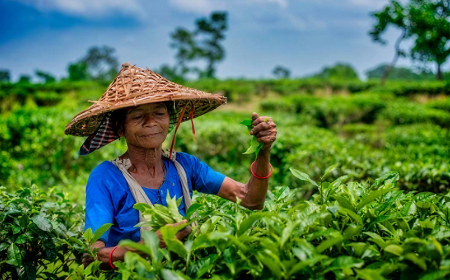
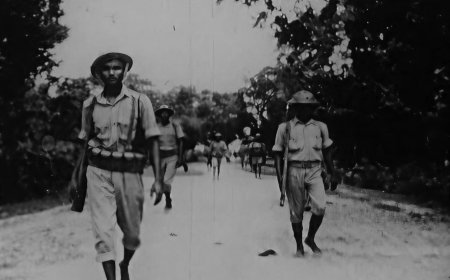
Sylhet’s Tea Garden Adivasis and the Unbroken Architecture of Colonial Indenture
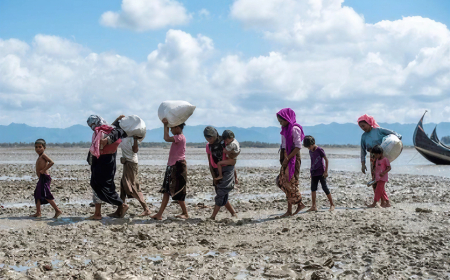
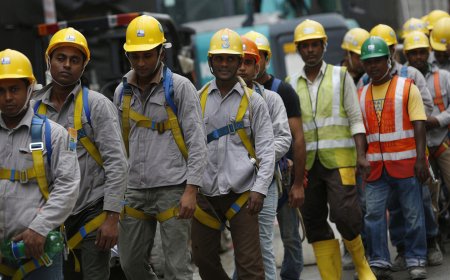
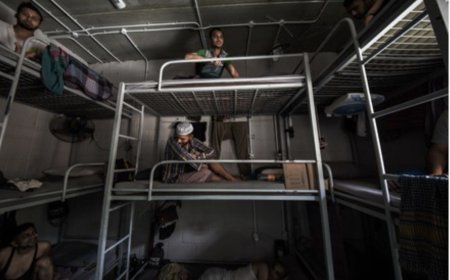
Bangladesh’s workers abroad now send home three and a half times what all the world’s donors disburse with no conditions, no consultants, and no debt to repay. It is time to say plainly which model is working.

The republic that declared itself in 1776 was, at bottom, an argument that human beings could be trusted, through reflection and iteration, to correct themselves. Two and a half centuries on, having stumbled badly and then caught itself, it has just offered fresh evidence for that argument. The experiment is older now, but it is still running.
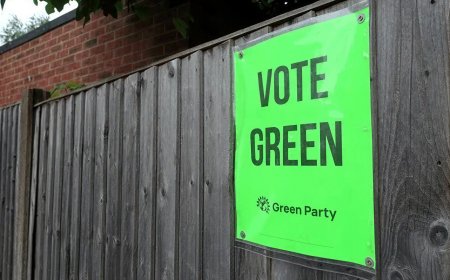
What started as a protest became politics. What was once dismissed as extreme is now the subject of international summits. The questions Green activists were asking 50 years ago -- how do we live within the limits of this planet, and who pays when we do not -- are still the most important questions today.
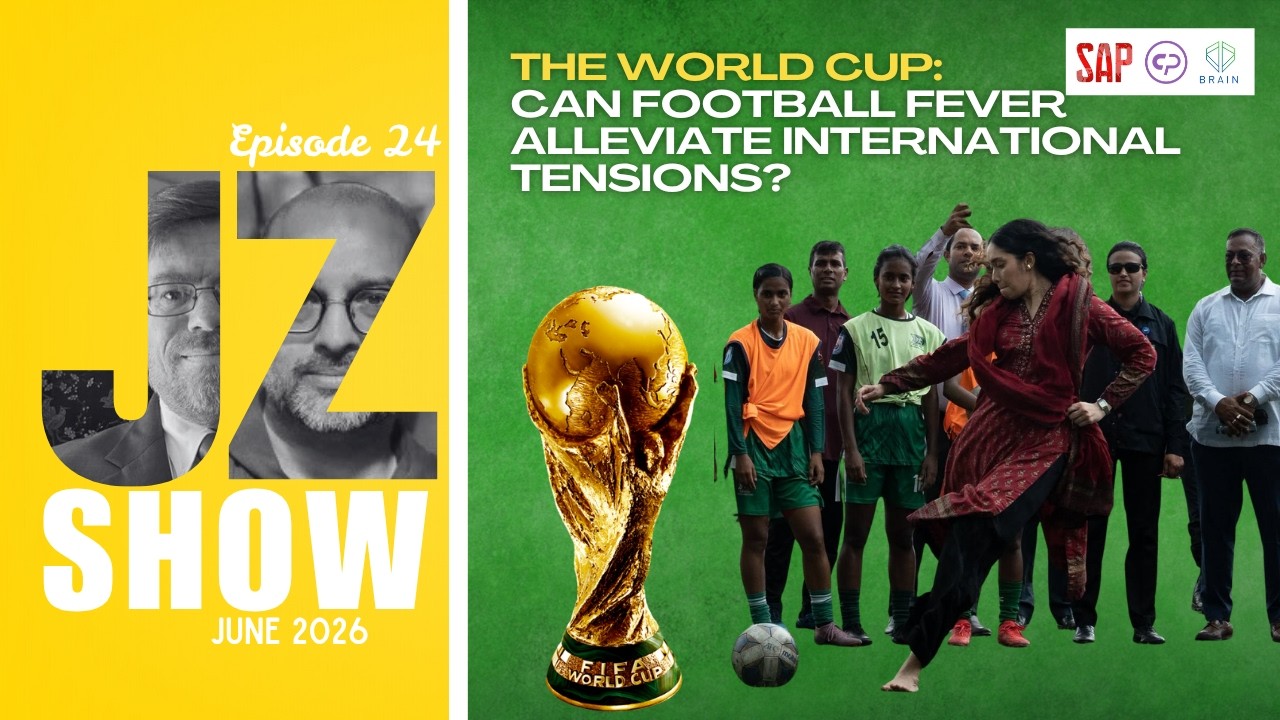
Jon Danilowicz and Zafar Sobhan sit down to ask a question that goes beyond the pitch: Can a shared love of the beautiful game actually ease international tensions — or does the World Cup merely become another arena for political theatre? As always, The J-Z Show brings together informed analysis, historical perspective, and candid discussion on the issues that matter most to Bangladesh.
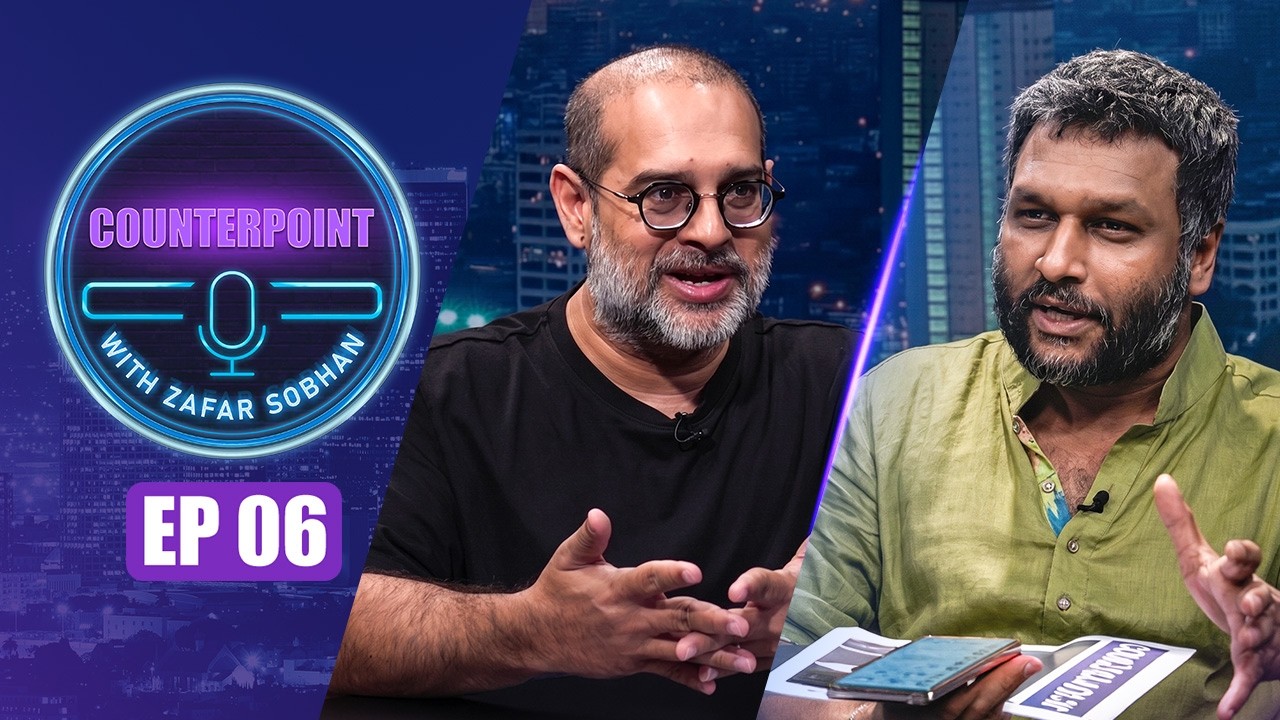
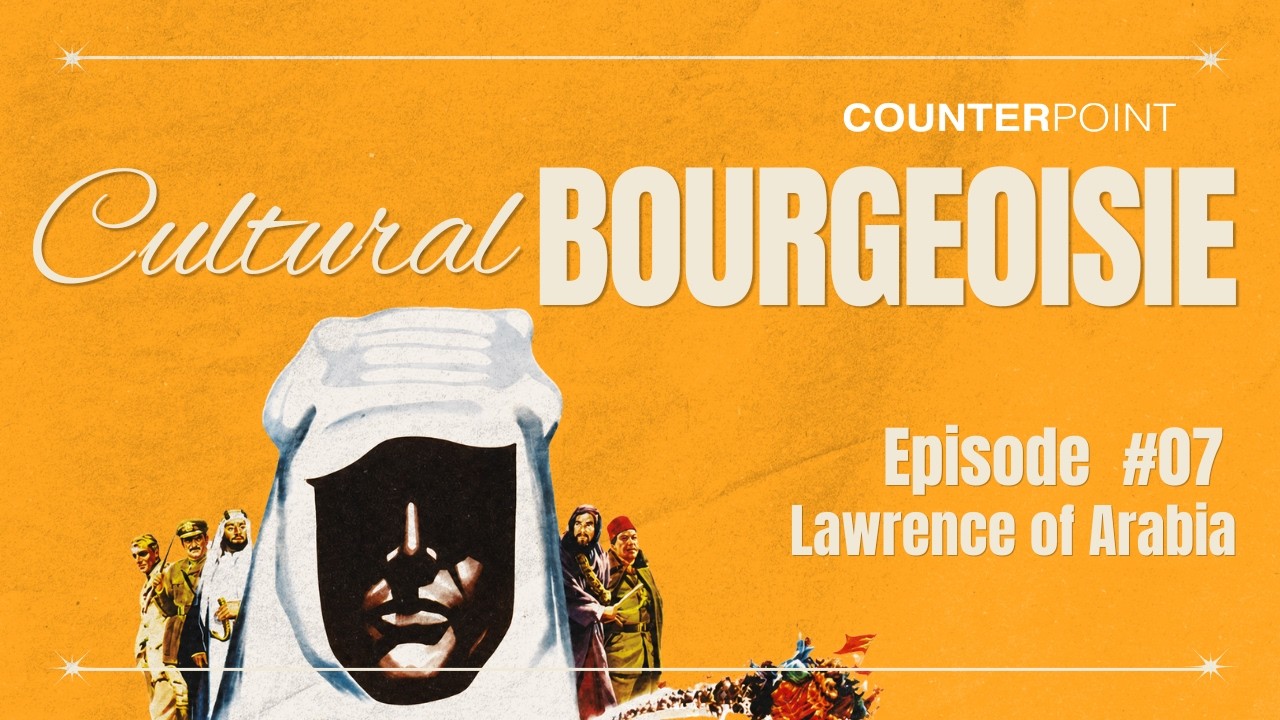
In this episode 06 of Counterpoint With Zafar Sobhan, host Zafar Sobhan is joined by Shayan Khan, Acting Editor of UNB and Executive Editor of Dhaka Courier. In this episode Zafar Sobhan, a football enthusiast engages in a discussion with Shayan Khan on the FIFA World Cup. From the selection to 32 teams and the tournament's evolution to the rise of emerging football nations, they explore what makes the World Cup the biggest sporting spectacle on earth. The conversation also covers their favorite teams, dark horses, standout players, and expectations for the tournament as...
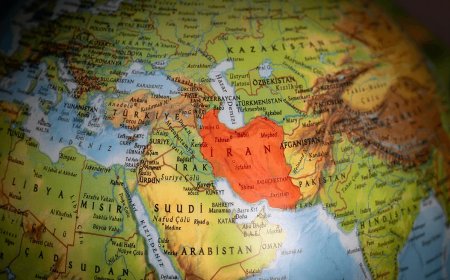
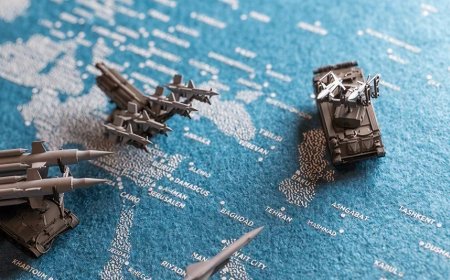
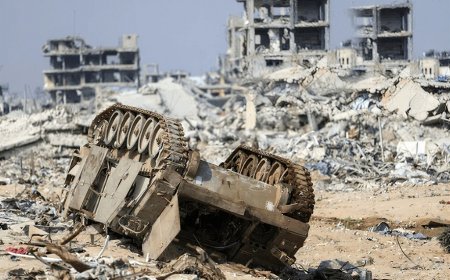
The ceasefire has created an opportunity. Whether the parties seize it will depend not only on the negotiators in the room but also on political leaders willing to accept outcomes short of their maximalist positions. Transforming that opportunity into lasting peace remains the region's greatest challenge.

A country becomes innovative not when its officials announce innovation, but when its inventors no longer need to beg them for the right to build.
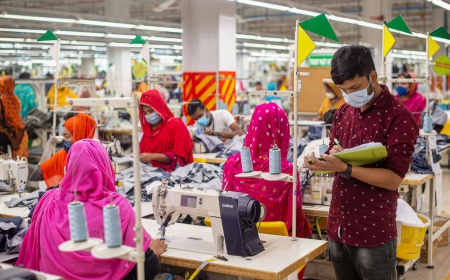
Postponing LDC graduation won't help us unless we use the time to fundamentally turn things around.
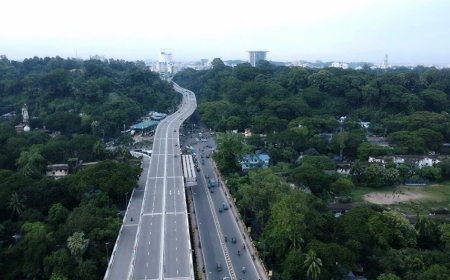
Why the $6 billion expressway must be financed by the people who will drive it -- and what the Global South can teach the West about infrastructure.

The most obvious solution is the legal system must criminalize online shaming and punish the cyber-harassers instead of forcing women to disable their accounts.
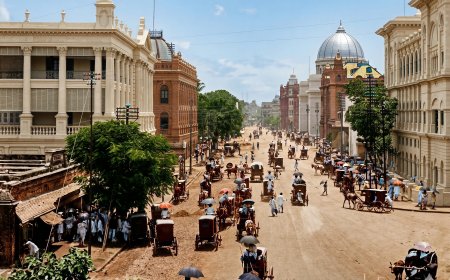
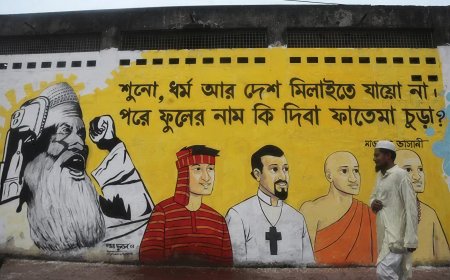
Today, that familiar polarizing language can be heard on both sides of Sher-e-Bangla’s hated ‘false wall,’ a wall which has since devolved into a barbed wire fence, on which dead and dying Bengali bodies have been hung.
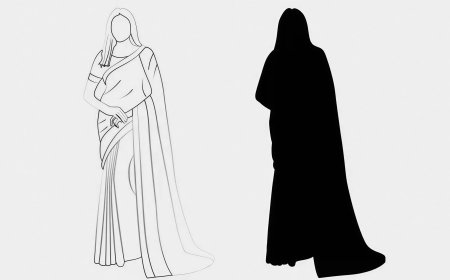
Women are neither vessels of national honour nor laboratories of cultural experimentation. They are citizens. And the value of a citizen lies not in her clothing, but in her ideas, her voice, her political convictions, and her contributions.