




























































In the past decade, a number of books have appeared on Bangladesh’s Liberation War. This essay covers three volumes focusing on the war from within the lens of conflict studies and great game manuevering -- by Gary J Bass, Srinath Raghavan, and Salil Tripathi.
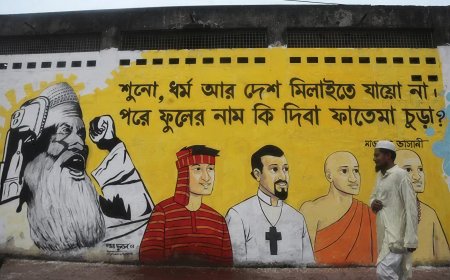
Bangladesh is once again caught between its tradition of mixed, tolerant culture and the growing push for strict Salafist ideas — a struggle now shaping the country’s identity
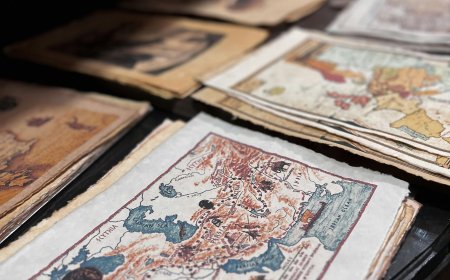
To understand Bangladesh 2025, it’s helpful to know what happened in Bengal in 1905, where it all began. We need to know who we are and where we came from if we hope to chart a path to a better future.

Their burnout is not a personal failing. It is a symptom of a culture that confuses motion with meaning. If a generation is exhausted before life begins, the problem is not them. It is the world we have collectively built around them.

As the country gears up for what is going to be the most consequential national election in its independent history, a locally grown form of online harm, deliberately engineered to fuel targeted disinformation campaigns and rampant misinformation among a largely digitally illiterate population, is posing a serious threat to its efforts to transition from authoritarianism to democracy.
How revolutionary aspiration transformed into an elite settlement

You can't defeat Dhaka traffic. But these tunes can minimize your pain.

The demographic dividend is not destiny -- it’s a choice. Bangladesh has 15 years to act, but the window shrinks daily. Without a bold vision, this youth bulge could ignite unrest rather than prosperity, echoing the Arab Spring’s unfulfilled promise.
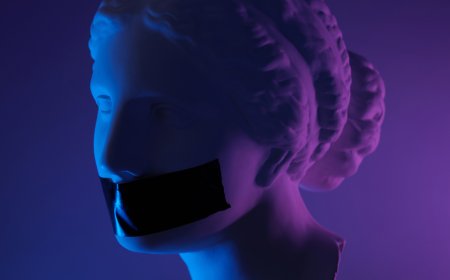
Societies that silence dissent eventually silence innovation, justice, and even hope. The cemetery of nations is filled not with those who spoke too much, but with those who spoke too little.

1971 is not only the history of a time; it is the foundation of our national identity, which must constantly be re-read, understood, and preserved. Re-reading the Liberation War of 1971 in the context of the current times and its challenges is the need of the hour.
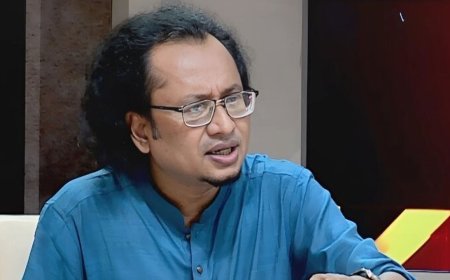
Democracy depends on two simple protections: that people can speak, and that they will not be killed for speaking. In Bangladesh, labeling someone a nastik is painting a target on his back, and should be seen for the incitement to violence that it is.

What happens when the interests of the elite class collide with those of an ever more assertive aspiring elite? We're about to find out.

Are there signs that the old elite consensus that governed Bangladesh for five decades is breaking down, and, if so, what will replace it?

If we don’t redraw the line between what’s acceptable and what must never be tolerated -- we’re not just broken. We’re part of the problem.
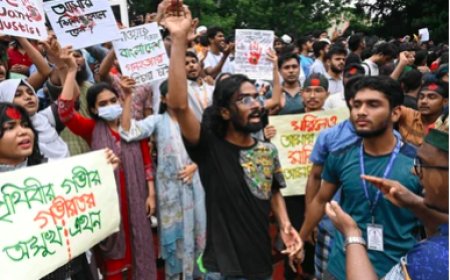
When justice is replaced by selective rage, even agents of hope risk becoming architects of chaos -- threatening the very foundation of the New Bangladesh.
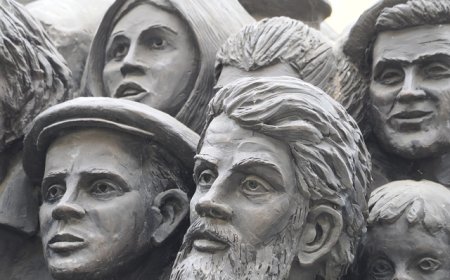
We have still to define a national identity for Bangladesh, and we need a national dialogue on the matter or we will remain a fractured people.