









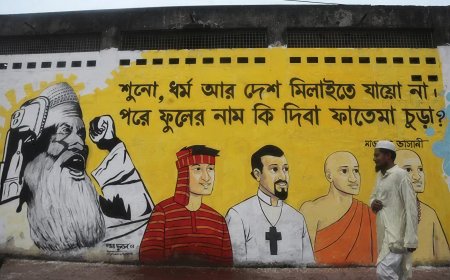























































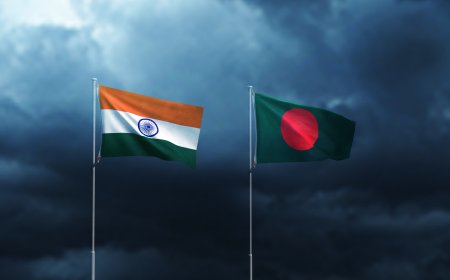
An already weakened Bengali Nationalism is going to be almost moribund. At the core of Bengali Nationalism is a common social and cultural heritage of the Bengali speaking people in both sides of the border.

As the crisis in Rakhine worsens, Dhaka should consider drawing on that combat experience. This is not to pursue meaningless adventurism, but to formulate an internationally credible response to ensure safety, stability and humanitarian access in Arakan.

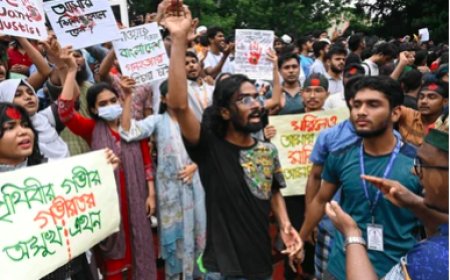
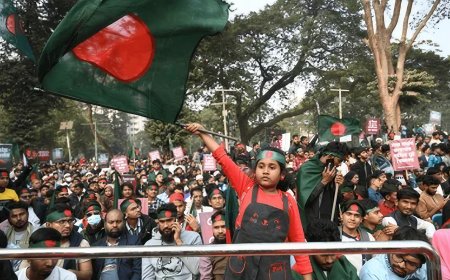
Gen Z or Alpha loves beauty and boldness, not beast, humility with harshness when necessary, eloquence, not quiet. The leaders who hide behind humility or show arrogance from the pulpit to conceal the purpose of rule are obsolete.

This economic progress is worth celebrating, but it is arriving with a metabolic cost that the nation’s healthcare system is not equipped to handle yet

The real problem is not device ownership. It is device access. And how you design that difference determines whether a policy quietly succeeds or loudly fails

The question is whether Bangladesh has the courage to apply the same scrutiny to every class of collaborators past and present, left and right, secular and religious and to build a republic where proximity to power is no longer the country's most valuable currency.

It feels unjust to see a human life reduced to a symbol of negativity, especially when that reduction is driven by forces beyond the individual’s control. Yet the reaction itself cannot be dismissed as irrational. It is the product of a pattern that has become too consistent to ignore.

The BJP’s victory was structurally broad, its final scale may have been amplified by UA deletions in specific close contests, but TMC’s losses in Muslim-majority constituencies also point to a genuine political swing. A warning sign that may matter well beyond this election.
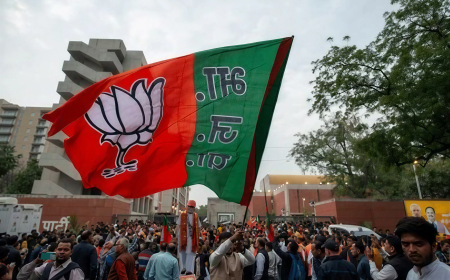
The BJP campaign, like the one in 2021, was conducted in a manner reminiscent of an invasion rather than an election. Television channels and newspapers, many of which are openly and enthusiastically aligned with Modi’s party, framed the elections as a conquest of Bengal by him and Shah and the Hindutva party they lead.
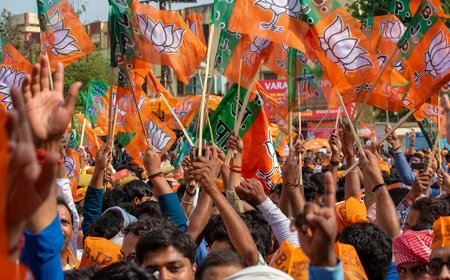
Bangladesh functioned as a mirror in which West Bengal was invited to view itself: Hindu or Muslim, refugee or infiltrator, borderland or nation, Bengali or anti-national.

Exchange rate changes are often misunderstood, leading to exaggerated expectations. Policymakers need to clearly explain that depreciation does not fully translate into inflation or export gains.
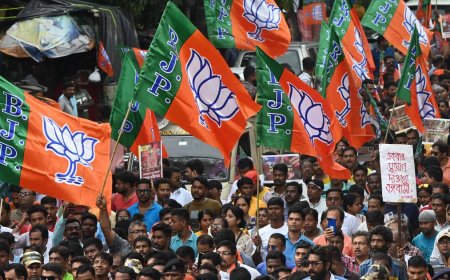
The Bharatiya Janata Party has secured a two-thirds majority in the state that it has never won before.

That is how democratic erosion can happen, not only through overt repression, but through laws that centralize power while preserving the appearance of legality.

Leaving OPEC was a symbolic declaration to the Gulf that Abu Dhabi can no longer stay a passenger in the oil vehicle supplying the world.
The immediate steps are neither mysterious nor technically complex: Broadening the VAT base by reducing exemptions, strengthening the Large Taxpayer Unit to capture income from professionals and the informal wealthy, and automating tax administration to reduce discretion and corruption.