





























































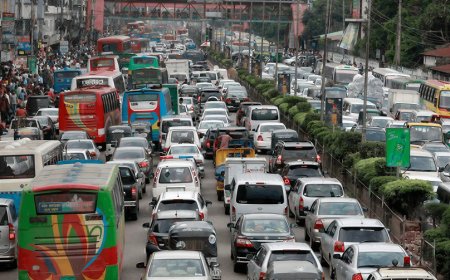
In many ways, the deployment of AI-controlled traffic signals represents a test of whether Dhaka is prepared to embrace smarter urban governance.
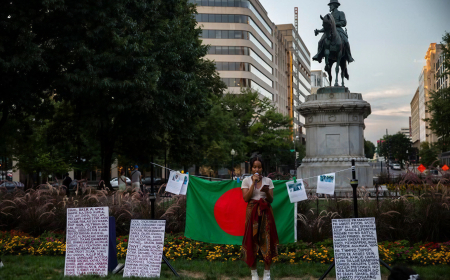
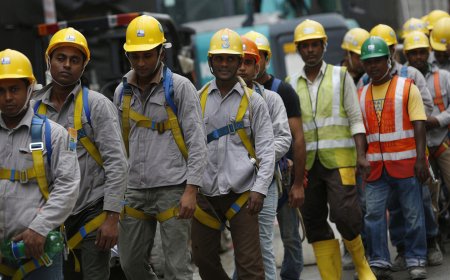
For many, the desire to contribute extends far beyond remittances -- it reflects a deep and enduring connection to the country.
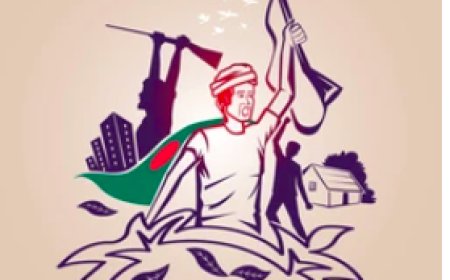
If Bangladesh can spend decades debating who qualifies as a Freedom Fighter, why has it never undertaken a house-by-house, district-by-district effort to document those who perished?

The client eyes you across the desk, not the screen. Efficiency kneels to trust; betray it, and no algorithm absolves. Guard that human bond fiercely: Our future depends on it.
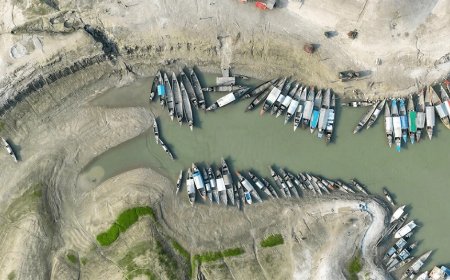
The people living along the southwest's rivers want the river back. A barrage and a river are different things.
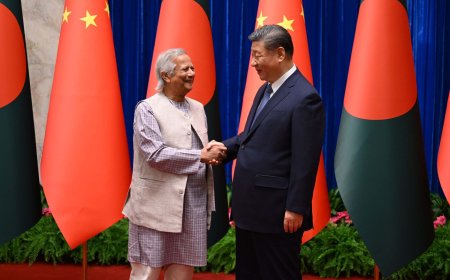
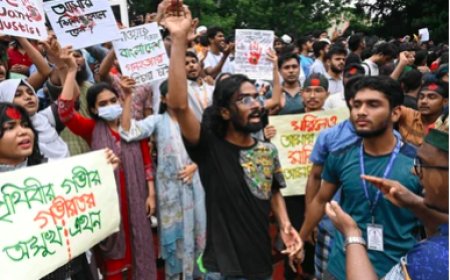
In this environment, terms like “deep state conspiracy,” “foreign funding,” etc provide a ready‑made vocabulary for dismissing the July uprising as manufactured rather than acknowledging the real anger that drove it.
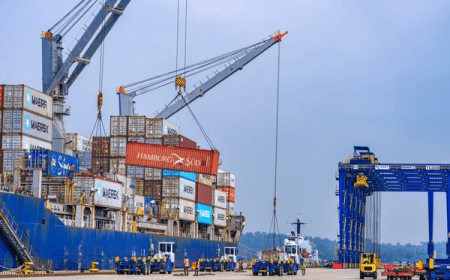
When the domestic market offers higher returns with lower risks, firms naturally prioritize domestic sales over exports.
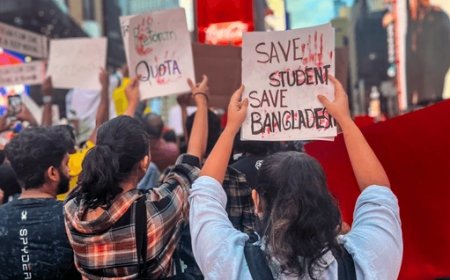
Incorporating constitutional education into all faculties could play a significant role in developing informed, responsible, and constitutionally aware citizens.

Ten years have now passed since his execution. Another ten will pass. Then another. Generations will arrive knowing his name only through history books, political arguments, or fading photographs. Time inevitably erodes public memory.
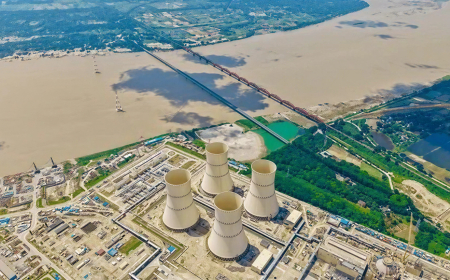
The recent trade agreement with the US could stop Bangladesh from building any more nuclear power plants.
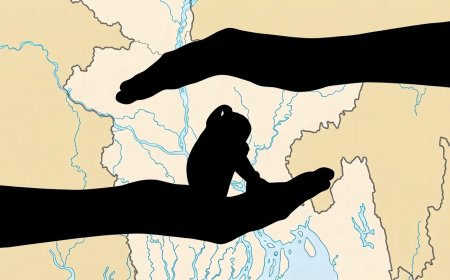
Visibility is not cosmetic. It is accountability. A case should not disappear into bureaucratic darkness simply because the public has moved on.
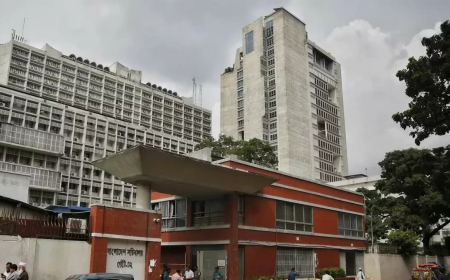
Democracy should not borrow the language of rulers to describe public servants.

Ira and Ireen and Ramisa were not symbols. They were children. Now they are gone. The least we owe them -- the very least -- is to refuse to let their deaths become background noise.
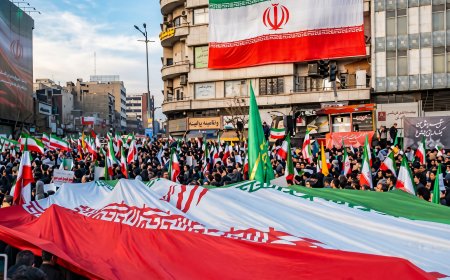
A nation fighting for its survival generates a depth of will that a nation fighting for its credibility simply cannot match.
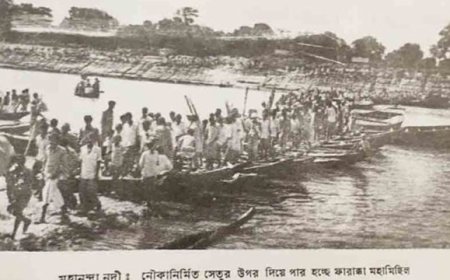
The Farakka Long march of 1976 was ultimately a march for dignity, justice, and survival. Even after five decades, its meaning has not faded. Rather, it has become more urgent than ever before. Because when rivers survive, nations survive too.

When citizens pay taxes, they demand services, transparency, and governance in return. This creates a feedback loop between the state and its people