























































The doctors of Bangladesh are not the disease. They are symptoms of a system that has been starved, stretched, and left to collapse quietly while our politicians fly to London and Singapore for their own check-ups. Someone needs to call this what it is. A national emergency. A moral failure. A crusade waiting for people willing to fight it.
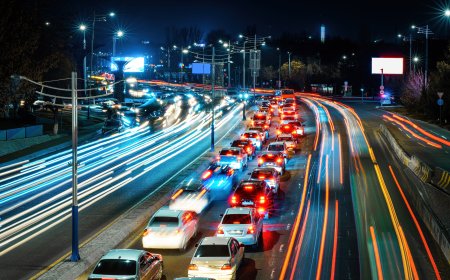
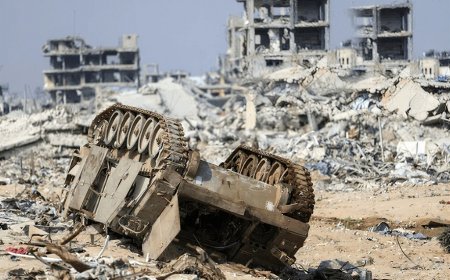
West Asia is burning again as the US-Iran conflict takes new turns. The heat of the conflict has reached the queues for fuel in Dhaka’s filling stations, where a new class of working poor is born in real time.
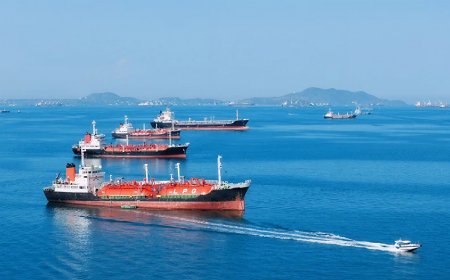
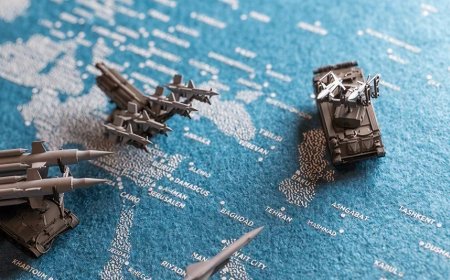
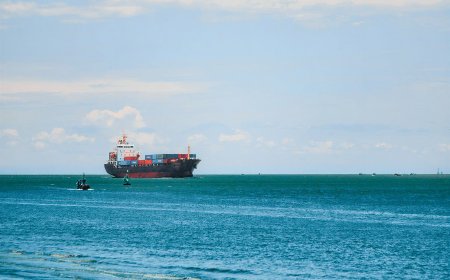
But the Strait of Hormuz never read your book. It does not care about Hegel. It does not care about the "universalization of liberal democracy." It cares about the presence of a warship within 500 kilometers of its shores -- and it has learned to fire a missile that can make that warship regret its existence.
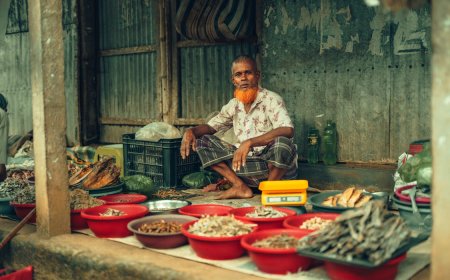
Financial inclusion cannot be measured solely by account ownership. It must be judged by whether a vendor can access 10,000 taka at 2 AM at a known cost, without humiliation or hidden charges, and with a pathway to better finance.
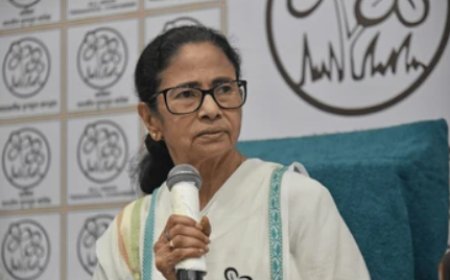
Mamata Banerjee governed Bengal through emotional familiarity. She spoke the language of neighbourhood grievances, middle class anxieties, and Bengali insecurity about national marginalization. For years, that intimacy protected her from anti-incumbency.
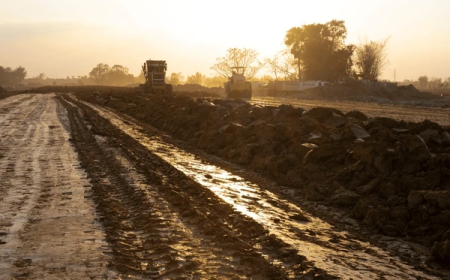
If canals worth thousands of crores of taka are excavated but become filled up or abandoned within a few years, the country will suffer irreparable losses, which would go against the intentions of our policymakers.

Bangladesh will not experience a shock, but it will face a shift -- from a system dominated by generic competition to one where intellectual property plays a more active role in shaping market access and industrial upgrading.
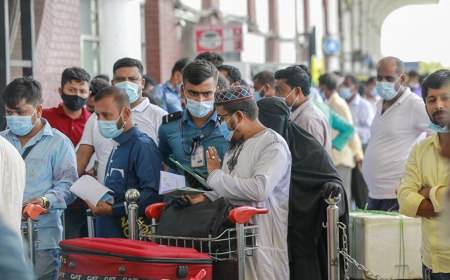
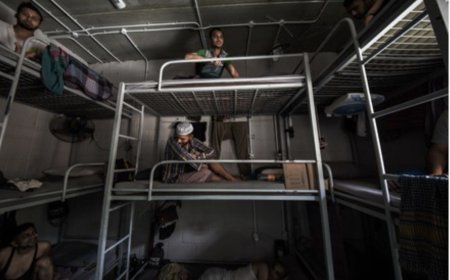
The workers did their job. Now the state needs to do its part. Our remittances are as big as our garments. So why does one get a ministry and the other get a circular?
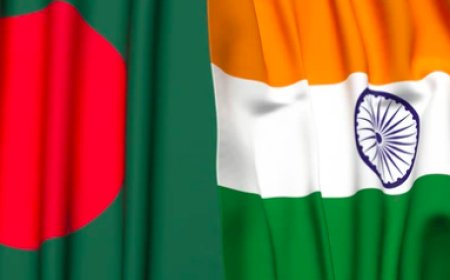
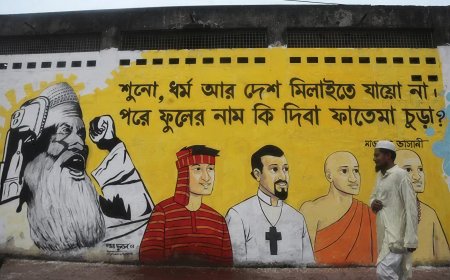
Does it mark the end of an era, or return to a bygone era in which Hindu-Muslim clash was a celebrated theme? The Muslim-majority Bangladesh next door, which has just survived a massive political upheaval, adds urgency to our query.
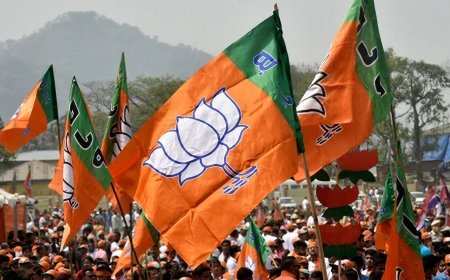
For Bangladesh, diplomacy has now become more important than ever before. It will require a sophisticated neighbourhood policy that combines realism with prudence. Emotional reactions or reactive nationalism unlikely to serve Bangladesh’s long-term interests well.

In an era dominated by misinformation and aggressive supplement marketing, creatine stands apart as a rare example of a supplement supported by decades of rigorous scientific investigation.
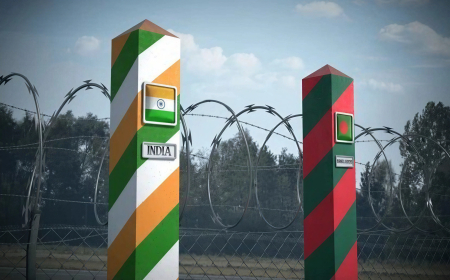
What India did for us is real. What India has done to us, and what it has told itself to justify that, is the projection.
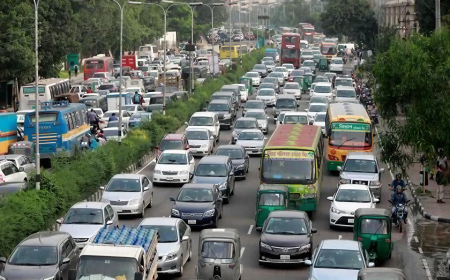
A farmer in Rangpur, a student in Barishal, an entrepreneur in Khulna, or a patient in Sylhet should not feel disadvantaged simply because they live outside Dhaka.

Bangladesh cannot sustain its growth economically if our banking system remains feeble and compromised. The solutions are well known: Independence, accountability, transparency, good compliance, governance, and professionalism. What’s missing is the willpower to enforce them.
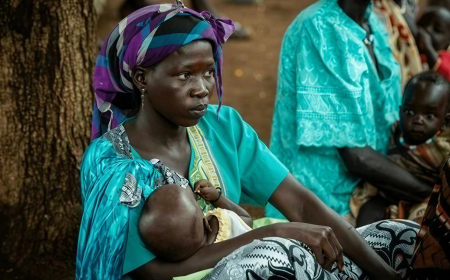
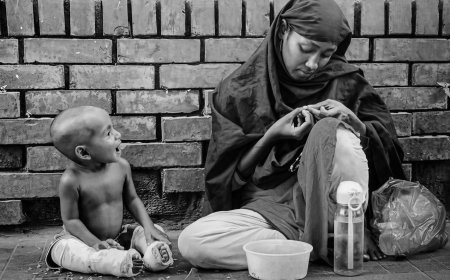
As we sit at our dining tables day in and day out, perhaps we cannot picture a mother sitting at home in Sudan, unable to silence her shrieking child because she must feed him or her boiled leaves or grass.