


































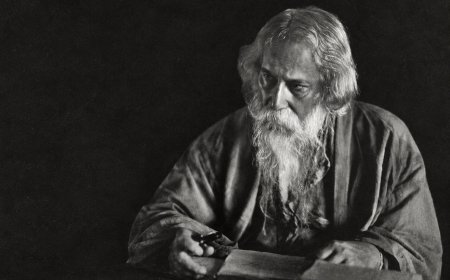





























Russia’s war has already caused immense suffering. It should not be sustained through the exploitation of vulnerable people.

Their visibility is not loud, neither in the broad daylight nor in the evening's glowing streetlights; they do not occupy any news headlines, yet they keep pedaling to meet the city's hunger. Therefore, the city we live in is not equal for all its citizens.
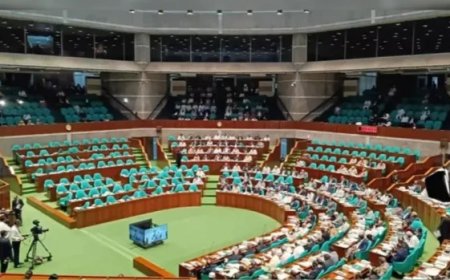
In functional democracies, losers succeed by diagnosing the situation precisely and organizing methodically. The goal is to defend the uncertainty of the next election. If an opposition misdiagnoses a policy defeat as a regime collapse, it loses the ability to speak to a combination of public segments.

Law is not static; like people, society, and technology, it can evolve. Every advance in rights, every institutional reform, and every step toward justice has been shaped by individuals who believed that change was possible.

According to the Finance Minister's statement in parliament, the government has already paid more than 80,000 crore taka and will have to pay another 100,000 crore taka in the future to maintain the Sammilito Islami Bank under the Bank Resolution Ordinance.

It is tempting, to view such a crisis as an aberration, an unfortunate deviation from an otherwise sound system. What has occurred at Islami Bank Bangladesh was not accidental; it was the predictable outcome of unchecked authority and weakened institutions

New media and direct communication have created openings for ambitious challengers who can bypass old gatekeepers and speak straight to voters. The victories of Shah and Magyar may therefore represent more than isolated upsets. They may be early signs of a broader political era in which aspiring outsiders can more successfully challenge the entrenched elite establishments.

When power is built in ways that are not openly contested, when structures are created without clear political labelling yet function as extensions of a particular ideology, the line between organizational growth and concealed control begins to blur.
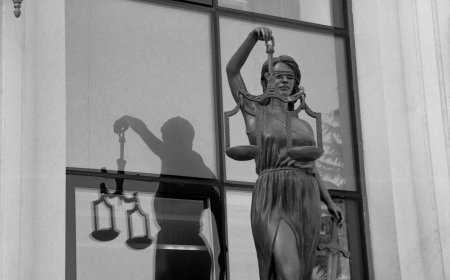
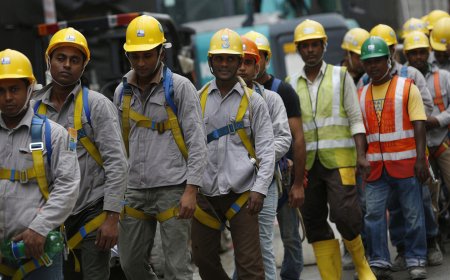
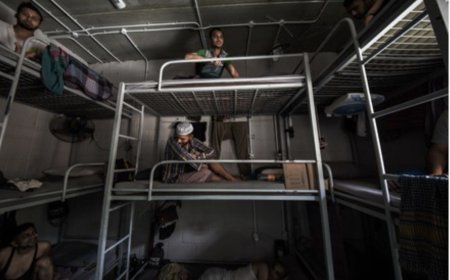
Whether a PhD student in Florida or a domestic worker returning from Saudi Arabia, the principle is the same: The state must recognize, protect, and advocate for all citizens equally. We do not merely demand justice; we demand presence, accountability, and moral integrity.

The Cyber Security Acts vague language, a $190 million surveillance machine, and a political culture that hasn't reformed itself: This is the dystopian architecture of a pre-crime reality.
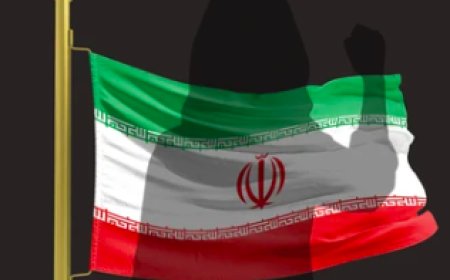
When a nation stands strong to protect its land from aggression, facing the threat of annihilation solely to preserve the dignity of its geography and people, its model of governance can’t align with any universal model for the sake of others.

Not only is the government expected to manage the current account deficit, but it is also expected to service the debt obligations it has inherited and pay for its electoral commitments, and yet somehow manage to bring inflation down.
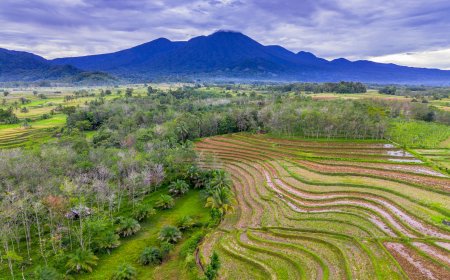
Regional integration is not only about infrastructure. It is about people. It requires a feeling of belonging -- a common identity. The Bay of Bengal region does not yet have that. Its countries differ widely in political systems, economic capacity, governance standards, and historical experience.

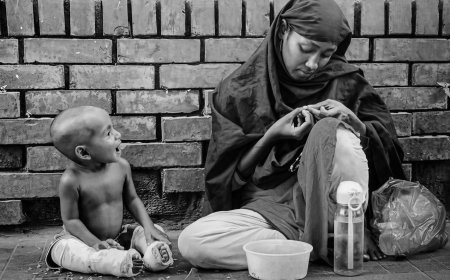
Hunger rarely appears alone; it is accompanied by indebtedness, illness, labour precarity, and social exclusion.
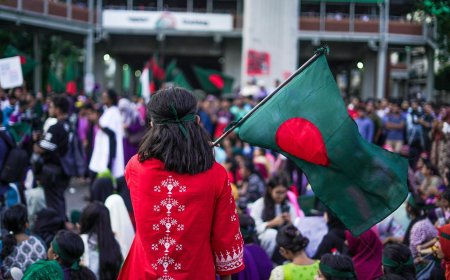
Who decided what the new Bangladesh would look like? And were the women who built it in the room when that decision was made?
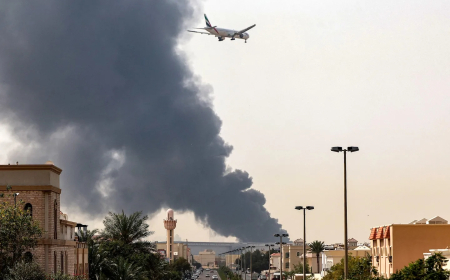
Iran and the UAE are bound by historic trade and migration networks and, more recently, by Dubai's role as a key hub for Iran to the global economy. Iranian missiles have shattered those ties.