

































































The country maintains an extensive diplomatic presence, with around 83 missions abroad, including embassies, high commissions, and consulates.
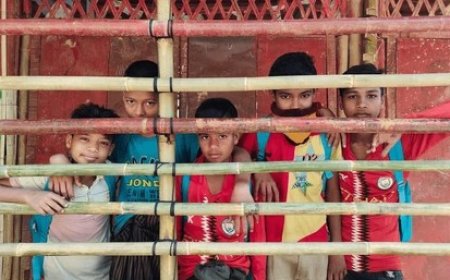
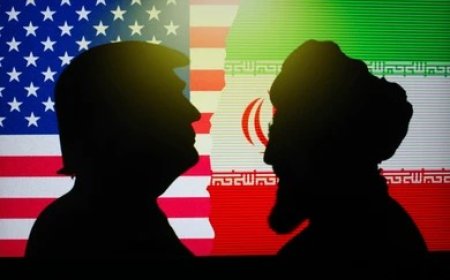
Bangladesh finds itself in a cruel diplomatic trap. Everybody says “patience,” but no one is stepping up to share the cost.

It begins, as so many things in modern Iran begin, with a woman and a song
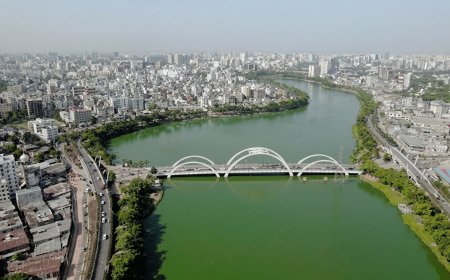
Disorder in Dhaka is not always accidental. It is often profitable.
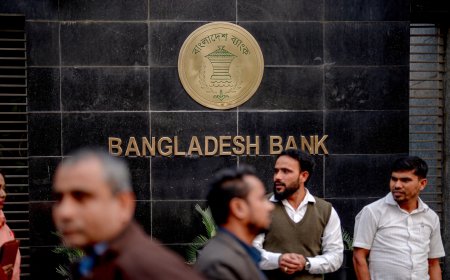
This second article in a three-part series argues that bad loans, political patronage, and cosmetic accounting turned Bangladesh’s banks into a public crisis.

Ambedkar is not simply a historical figure. He is a living political question. The Republic of India today is built on his constitutional architecture -- and is increasingly governed in ways that undermine it.

In this low-grade, slow-burning rivalry, silence does not equal absence. It usually means that the game has already started.
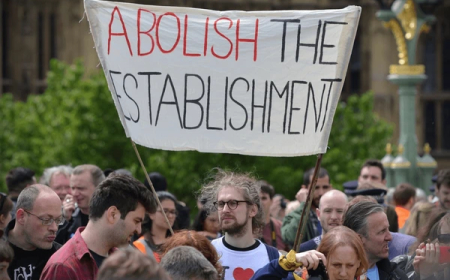
Whether a party is “Center-Left” or “Right-Wing” matters less to the modern voter than whether that party appears capable of breaking the system to improve the average person’s life.

The party's political and economic actions are not converging or complementing each other, and instead the party is letting its economic vision lead the governing process without considering the political consequences. This is a risky bet and may not work.

Lobbying fills the gaps left by these weak institutions, providing protection where enforcement is arbitrary and speed where formal systems stall.
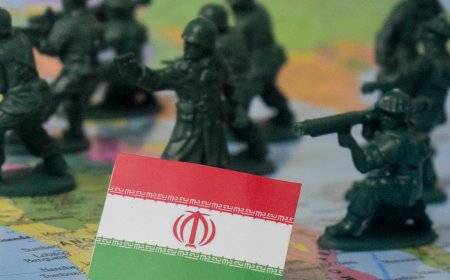
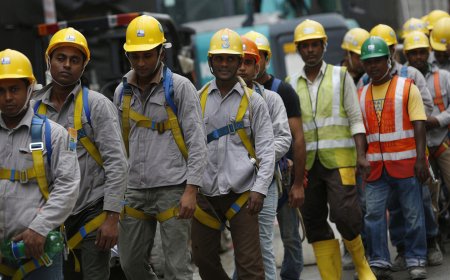
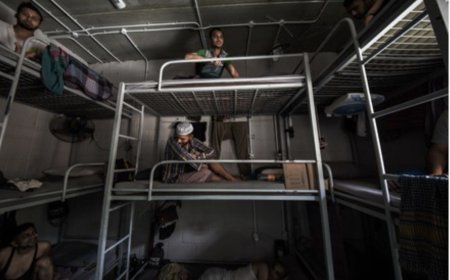
The war will be over, and the Middle East will need massive reconstruction, necessitating a huge workforce from the underdeveloped world
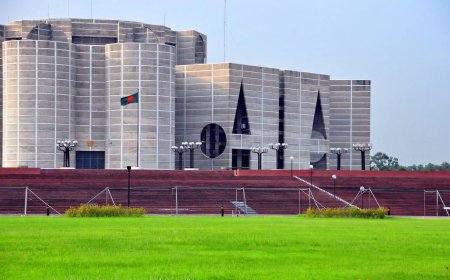
The country needs leaders from all political parties in parliament to be self-made men hailing from humble origins, shrewd, hardworking, ruthless, and fiercely nationalistic, capable of building a strong state and transforming society.

The BNP government has now inherited the institutional resistance it generated and will need to find a way to manouvre around it. Bangladesh will find it extremely hard to finance its development ambitions unless it significantly improves its tax collection systems and addresses the political economy of doing so.

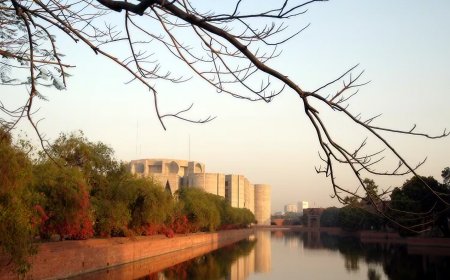
There is a sensible way out, and it lies inside the Constitution, not outside it. If the new government wants to preserve the Reform Council model, it should table a constitutional amendment under Article 142 defining the Council’s status, powers, voting threshold, relation to Parliament, and oath.

It is common to find opportunities from data intelligence to apply surcharges, taxes or strategic partnership or code sharing with other airlines or budget airlines for win-win operations.