

































































The future health of Bangladesh depends not only on hospitals and medicine, but also on kitchens, schools, policies, awareness, and everyday choices made by ordinary people.
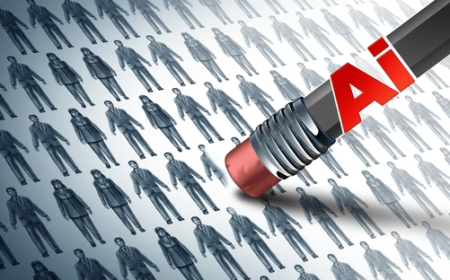
AI systems still require human oversight, localization, compliance handling, data verification, exception resolution, and cultural adaptation. These are precisely the areas where developing countries may retain relevance.
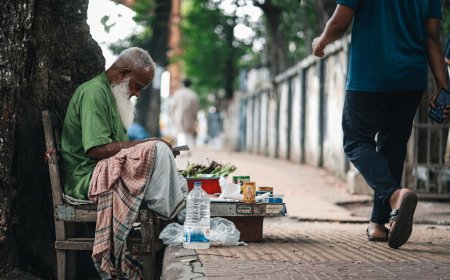
What is at stake is not only the health of individual patients, but the dignity of an entire ageing generation.

The danger lies in self-diagnosis and self-treatment. Many people now rely more on social media trends than professional consultations. This shift can delay proper medical care and worsen existing health conditions.
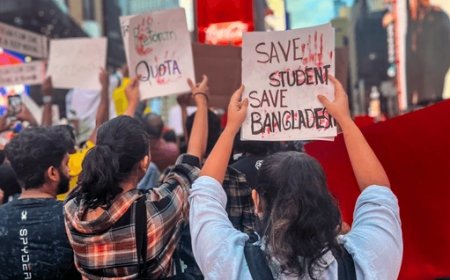
Incorporating constitutional education into all faculties could play a significant role in developing informed, responsible, and constitutionally aware citizens.

Ten years have now passed since his execution. Another ten will pass. Then another. Generations will arrive knowing his name only through history books, political arguments, or fading photographs. Time inevitably erodes public memory.

Visibility is not cosmetic. It is accountability. A case should not disappear into bureaucratic darkness simply because the public has moved on.
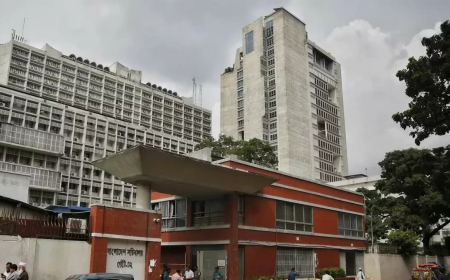
Democracy should not borrow the language of rulers to describe public servants.

Ira and Ireen and Ramisa were not symbols. They were children. Now they are gone. The least we owe them -- the very least -- is to refuse to let their deaths become background noise.

Gen Z or Alpha loves beauty and boldness, not beast, humility with harshness when necessary, eloquence, not quiet. The leaders who hide behind humility or show arrogance from the pulpit to conceal the purpose of rule are obsolete.

This economic progress is worth celebrating, but it is arriving with a metabolic cost that the nation’s healthcare system is not equipped to handle yet
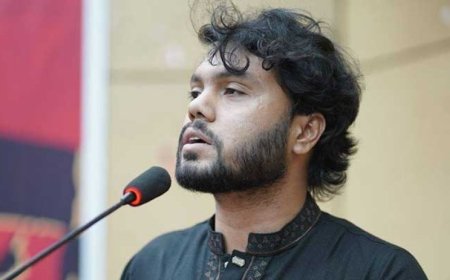
It feels unjust to see a human life reduced to a symbol of negativity, especially when that reduction is driven by forces beyond the individual’s control. Yet the reaction itself cannot be dismissed as irrational. It is the product of a pattern that has become too consistent to ignore.

Their visibility is not loud, neither in the broad daylight nor in the evening's glowing streetlights; they do not occupy any news headlines, yet they keep pedaling to meet the city's hunger. Therefore, the city we live in is not equal for all its citizens.

It begins, as so many things in modern Iran begin, with a woman and a song

Bangladesh has all the ingredients for success -- a dynamic private sector, a young and hardworking population, and a strategic geographic position connecting major markets. Its achievements over the past decades demonstrate what is possible when determination and policy alignment come together.