








































































The broker may sell one person a route through the border. What is quietly sold away is a genuine refugee’s credibility and a legitimate student’s opportunity.

Nazrul Islam was 22. Sweety Akhtar was a young woman who just wanted to survive. They were alive on September 30. And the system, from Riyadh to Dhaka to Washington, chose to let them die.

In Bangladesh, there is probably no major road where you cannot buy and eat beef from some shop or the other. You can eat it every day for your entire life if you have the money. No one is stopping you. There is no fear.

A marriage certificate does not make a wife a compulsory lender. A husband’s need can explain why he asks for help; it cannot supply her consent.
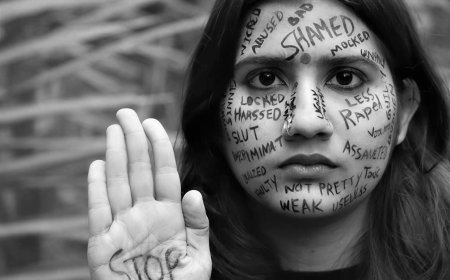
Sometimes there is a locked gate. Sometimes there is family honour, the marriage market, or the comforting language of protection. And sometimes it may appear at an immigration counter as an apparently ordinary question: Are you married?
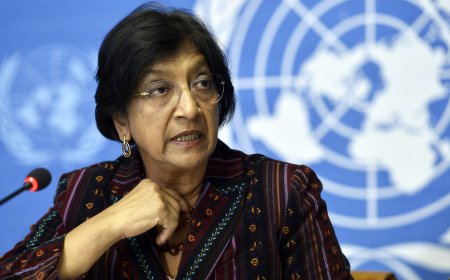
Do we seek accountability when the evidence implicates someone we admire? Do we oppose genocide consistently, or only when its perpetrators belong to the other side? The answers matter more than the ease with which we endorse justice in principle.
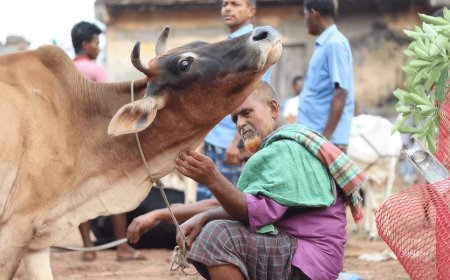
Growing up in Bangladesh, Qurbani Eid generally presented an unseemly sight. In the absence of centralized abattoirs, slaughtering occurred in building compounds, on public streets, or wherever space was available.
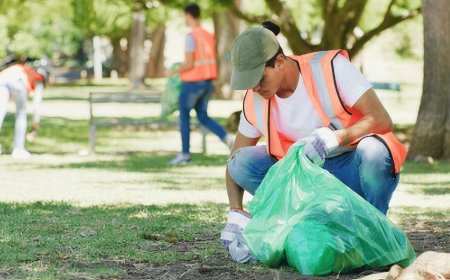
The decline in volunteer participation has several negative effects. Communities lose energetic young leaders who can organize awareness campaigns, environmental projects, and emergency responses.

Creating jobs, then, isn’t only economic policy. Done alongside effective law enforcement, it is a policy for dignity, social stability, and ultimately crime prevention. One hand must enforce the law. The other must build something worth not risking.
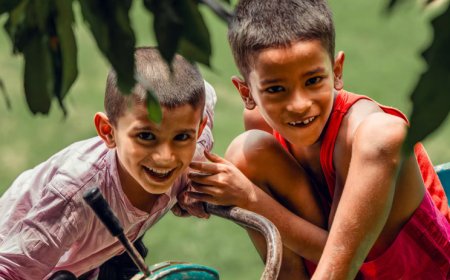
We do not need to treat every adolescent as a potential delinquent, nor romanticize their behaviour; we simply need to stop treating their awkwardness, anger, arrogance, and confusion as reasons to abandon them.

That creates a peculiar social paradox: The more accomplished a woman becomes, the more selective the marriage market can become -- not because her value diminishes, but because the available configurations change.
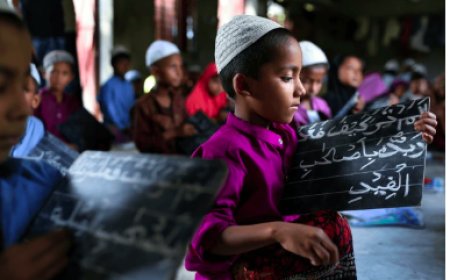
To halt this blind expansion of those who cannot tolerate any difference of opinion, and to protect our collective future, rising against this destructive system and radically transforming it is the greatest demand of our time.

A post receiving hundreds of reactions may make someone feel appreciated, while a post receiving little attention may create disappointment or self-doubt

To live fully is to stand barefoot on the razor's edge between what we know and what we can only feel -- embracing the magnificent chaos of a mind that refuses to be tamed.

The mother is running for survival. Her hope, perhaps, is that one day her daughter will be able to run for choice. That distinction matters.
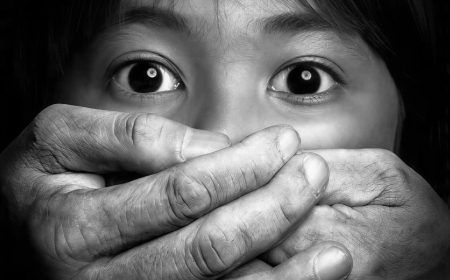
When a grown man rapes an 11-year-old and society's first instinct is to ask whether the girl was "of age," the problem is no longer just one predator. It is a collective willingness to call a psychiatric disorder a matter of taste.








