























![A Ledger of the Soul: Navigating the Allah-Bhagavant Nexus in a 19th-Century Puruṣākāra Jñāna Caupara [Gyan Chauper]](https://counterpointbd.com/uploads/images/202608/image_430x256_6a93baa3b09a7.jpg)




















Is This the Bangladesh We Wanted?
As we move forward to build a new Bangladesh, we need to put minority protection and minority rights front and centre, not because of inflammatory accusations from across the border from those who frankly need to do better protecting the rights of their own minorities, but because it is the right thing to do.

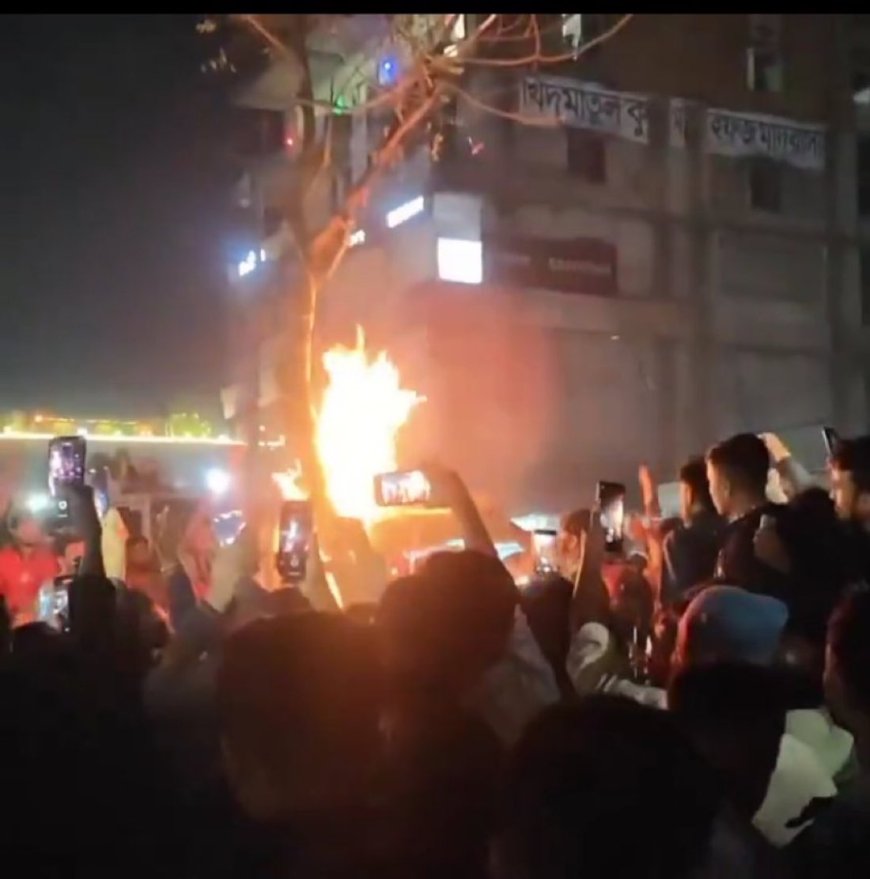
Bangladesh’s critics outside the country are right about one thing: The lynching of Dipu Chandra Das was an abomination that had no place in a civilized society. His murder shames us all.
It is not enough to point out that this kind of violence is meted out to other minorities in other countries in the region or that it is not part of a pattern of systemic violence against minorities in Bangladesh.
Both are discussions for another day and bring cold comfort to his terror-stricken family and indeed every minority living in Bangladesh who by now has probably seen the bone-chilling and heart-rending images of his last moments.
This was a failure, not just of the state but also of the society.
Let’s start with state failure. Let us be perfectly blunt. Minority protection has been a signal failure of this interim government.
Yes, the reports of minority persecution that have been spread like wildfire by Indian media and social media are exaggerated, and Bangladesh is nothing like the nightmare for minorities that they try to portray it as.
It is also true that this administration is not an enemy to the minority community and has taken pains to try to protect them.
However, it has not been nearly enough.
The simple truth is that, for all its ills, minorities in Bangladesh today are far less secure than they were during the last regime, and that there has been a nasty uptick in communalism and religious intolerance that this government has not done nearly enough to confront or to try to dispel.
Talk to any religious minority and they will tell you that the fear is very real. Part of it is the overall feeling of lawlessness which always leaves the most vulnerable the least protected.
But a larger part of it is this government’s inability or disinclination to stand up to preachers of hatred and intolerance or to make minority protection a priority.
If it were, then incidents such as the lynching of Dipu Chandra Das wouldn’t happen.
It is to the government’s credit that seven individuals have already been arrested in connection with this atrocity, but it is simply not good enough.
The law enforcement authorities who failed in their duty to protect this Bangladeshi citizen and were by some reports also complicit in his lynching need to be brought to book.
But even more crucially, the government needs to acknowledge that such an atrocity could only occur because it has not done enough in the last 18 months to prioritize minority protections and to send the message that there will be zero tolerance for this kind of violence.
What gave his killers such confidence that they could act this way in full public view, indeed with dozens of people filming it on their mobile phones?
What made them think that they would be immune to the law of the land and that they could lynch a fellow Bangladeshi with impunity, that too on allegation of something he never even said?
What has given them and people like them the arrogance to believe that such a grotesque act of murder was doing God’s work and that they would face no punishment for their actions?
What has empowered Dipu’s killers and people like them to believe that they can take the law into their own hands, and that violence and intimidation are an acceptable means of imposing their beliefs on everyone else?
What is at stake here is not simply minority rights, but the fact that so many people evidently believe that the law of the land does not apply to you if you feel that you are acting in accordance with your religious beliefs.
Leave aside the fact that no religion, let alone Islam, condones cold-blooded murder, and that those who kill like this in the name of Islam are guilty of the worst kind of blasphemy themselves and do dishonor to their faith.
What we need in Bangladesh is rule of law and the understanding that no one has the right to take the law into their own hands, whatever the perceived provocation, and that the torture and lynching of a fellow human being is always wrong and can never be acceptable.
The fact that Dipu did nothing wrong only makes his murder all the more heart-rending. But even had he done something wrong, that would still have been no reason to end his life in such a grotesque manner.
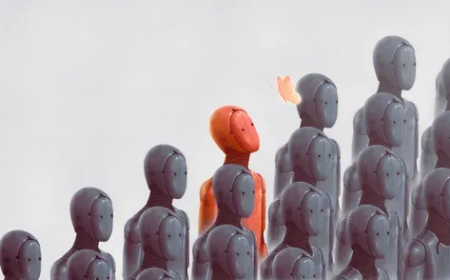
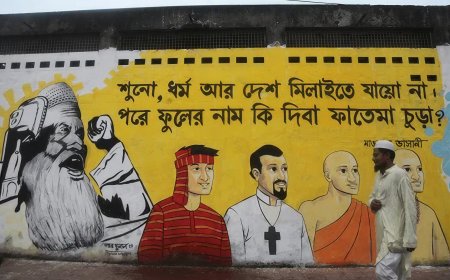
And let’s not leave aside the fact that he was a minority. The fact of the matter is that in our country, in our region, minorities need extra protection because they are the most vulnerable, the most marginalized, and the most under threat.
We have an extra responsibility of care towards our minority communities precisely because they are minorities and uniquely vulnerable.
As we move forward to build a new Bangladesh, we need to put minority protection and minority rights front and centre, not because of inflammatory accusations from across the border from those who frankly need to do better protecting the rights of their own minorities, but because it is the right thing to do.
We used to understand this instinctively not so long ago, and the promise of independence was the promise that all Bangladeshis could live lives of decency and dignity, regardless of community or creed.
If we ever wish to live in a country worthy of our forebears who gave their lives so that we may be free, we need to once again understand that protecting the most vulnerable among us is our sacred duty.
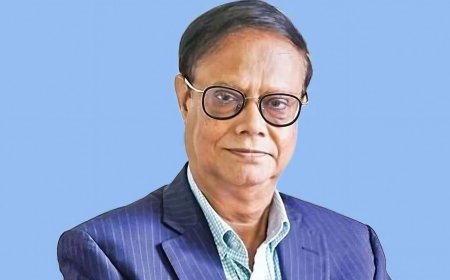
Zafar Sobhan is the Editor of Counterpoint.