
























































The RT interview came in the midst of a concerted public relations blitz by Hasina and her supporters, which included a number of interviews from the deposed Prime Minister to friendly Indian media outlets.

The Bhola cyclone and its aftermath opened up space for a critique of the West Pakistan government and brought into stark relief the issues of disparity and negligence that would lead to war and independence the following year.

The NYC mayor-elect did what Bangladeshi politics refuses to do: Connect democratic renewal to economic dignity. He showed that when people believe their material lives will improve, they don’t hesitate to show up.
The July Charter is quite clear: The proposed Upper Chamber will not have the power to block legislation, and the question of leading to a hung parliament does not even arise.

The real victory of any revolution lies not in the fall of an old regime but in the birth of a culture that resists repeating its mistakes. Bangladesh’s revolution will have meaning only if it leads to a politics that listens, includes, and endures.

November 1975 was one of those months when, to paraphrase Lenin, decades happen. Fifty years on from that month of coup and counter-coup, we can hope that the guns have been forever silenced in Bangladesh, and that we will never again see rule from the cantonment.

We stand today at a critical juncture. The authoritarian state has collapsed, but the authoritarian mind endures. The struggle for democracy, therefore, is no longer against a regime -- it is against ourselves.

Bangladesh’s politics stands today at a critical crossroads. If a new political force grounded in liberal values does not emerge, the state will inevitably drift further into extremism, fanaticism, and division.
Call the vote. Step down from the balcony. And let an elected government answer, at last, to the only sovereign that matters. The antidote to our present malaise is not another announcement. It is an election.

While no model for increasing women's political representation is perfect, the crux of the matter is that the political desire for a workable solution is what is absent. This is what must change if women are to experience the fruits of Bangladesh 2.0.

Tonight, Mamdani’s victory isn’t just his. It belongs to every person ever told you’re too different, too foreign, too inconvenient to lead. It belongs to those who were silenced, sidelined, written out of the script by those who claim to define “electability.”

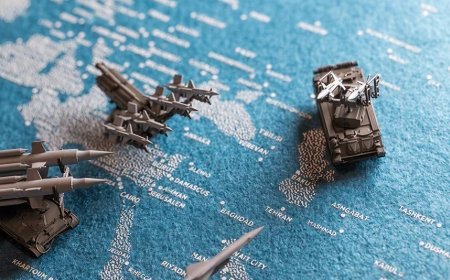
From Pakistan to Egypt, and possibly up to Morocco in the long run, this vast region is becoming the playground of the GCC, BRICS, and a transnational Financial Industrial Complex

The sooner we embark on our mundane journey for democracy fraught with its own setbacks and disappointments, the more likely we will find the peace, stability, and economic justice we yearn

Politics is not a moral monastery. It’s a battlefield of imperfect allies and temporary truces. If the NCP keeps attacking everyone around it, soon it will have no one left to fight beside. Reform may begin with rebellion, but it survives through relationships. And without those, no revolution lasts long enough to write its own constitution.

Proportional representation sounds fair, but can lead to fragmentation and fracture of the polity. In the Bangladeshi context, it may deliver instability we don't need.

We need to close loopholes for unilateral amendments to the Constitution, otherwise the July Charter will not be worth the paper it is written on