























































Tarique returns to Bangladesh as the indispensable man of Bangladeshi politics, the fulcrum of its democratic transition, the lynchpin of its liberal politics, and the prime minister in waiting.
That is the real horror. If one clearly innocent doctor required thirteen layers of influence to secure bail, how many other innocent people are still inside -- unseen, unheard, and unrescued?
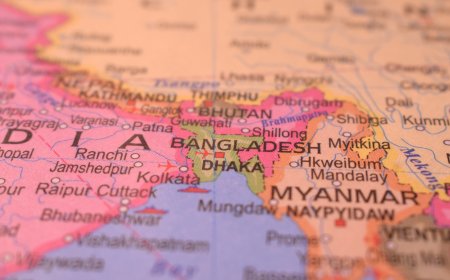
The tragedy of Osman Hadi’s death should have been a moment for empathy and restraint. Instead, it is becoming a catalyst for deeper division. If India continues to allow its media and political discourse to inflame rather than inform, it risks locking the relationship with Bangladesh into a cycle of hostility that will endure far beyond the current crisis.

It is no longer an abstract fight over who controls the political clock. It is a concrete, urgent battle for the very foundations of public order, institutional integrity, and rational discourse.

When leaders fail to rise above personal impulses, nations suffer in ways that cannot be easily repaired. Economies falter, social bonds weaken, and the future becomes a battleground of unresolved grievances. History offers no shortage of warnings.
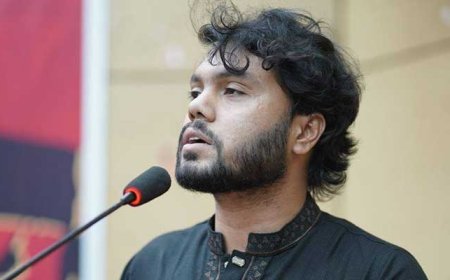
Hadi wanted elections. He believed in the electoral process. He believed in democracy. He was running for election in Dhaka-8. He believed in the slow, painstaking process of building a new Bangladesh and knew there could be no short-cuts.
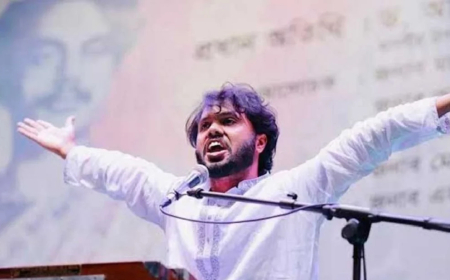
One did not have to agree with everything that Hadi said to admire him and to believe that he would play an important role in building Bangladesh 2.0. The best way to honor his memory is to help realize his dream of a new Bangladesh.

A trustworthy opinion poll requires a trustworthy method: the right questions, a sample that reflects the country’s diversity, strict data verification, and transparency about what the poll can and cannot reveal. Without these basics, no amount of promotion or visual appeal can turn a weak survey into meaningful data.

Too much of Bangladesh’s politics still focuses on history while its citizens repeatedly indicate that they are more interested in what will happen to the country in the coming years

The activities of the last few days are dissipating the election-centric uncertainty. It is also clear from the behavior and actions of the political parties that they are taking the upcoming election seriously. Each party will make the utmost effort to earn the people's mandate according to its capacity. This is the biggest positive signal.

On one side: growing inequality; on the other: a deep feeling of elite-people divide; and in the middle: optimism that the future can still be changed. When these three things come together, they create the classic soil for populism.
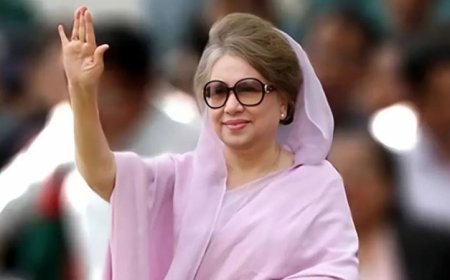
Khaleda Zia’s mixed record of democratic contribution, confrontation-driven politics and unresolved party succession continues to influence the country’s search for renewed leadership

Bangladesh’s post-Hasina politics is marked by a fierce contest between old elites and rising aspirants vying to fill newly opened power spaces. This debate is simply one front in this broader elite struggle reshaping the country’s political future.

The sooner our politics and our voters align with this demand for structural change, the sooner Bangladesh's power structure reforms will begin their sustainable journey. Mamdani's victory kindles our hope that in the near future people-oriented politics will also shine in our land.
It is unfortunate that most civil society organizations have failed to recognize that these reforms could open new pathways for them -- creating fresh opportunities to empower citizens and strengthen the accountability of state institutions, ultimately shaping their own future governance agenda.

The real question is not why Tarique Rahman has not returned yet. The real question is whether the nation will stay focused on restoring democracy rather than chasing distractions.