Why You Shouldn’t Trust Every Viral Nutrition Video
The danger lies in self-diagnosis and self-treatment. Many people now rely more on social media trends than professional consultations. This shift can delay proper medical care and worsen existing health conditions.
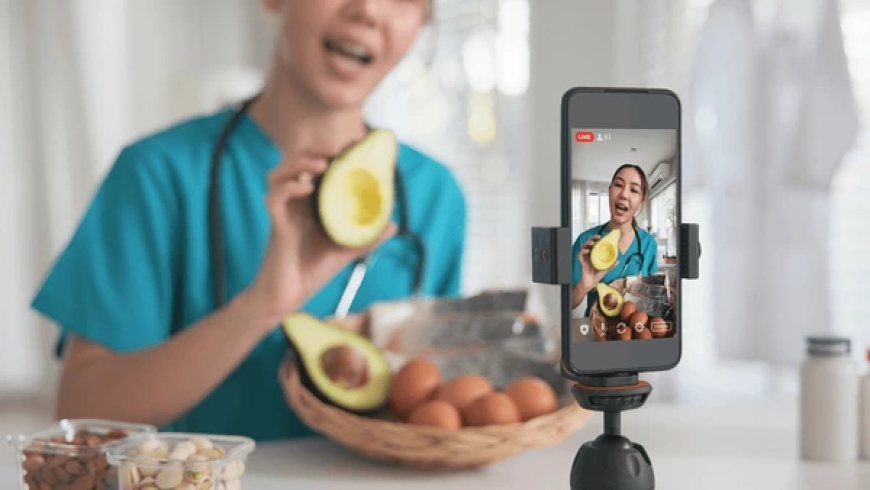
We are living in a digital era where nutrition advice no longer comes only from doctors, dietitians, textbooks, or scientific journals. Instead, it often appears between dance trends, comedy reels, and beauty tutorials on social media. One moment we are scrolling casually, and the next moment an animated carrot is explaining how it can “cleanse your liver,” or a glowing green smoothie is promising “rapid fat loss in just seven days.” These videos are everywhere; short, visually appealing, emotionally persuasive, and surprisingly influential.
Artificial Intelligence (AI) has rapidly entered the world of health communication. AI-generated nutrition content is now shaping public perceptions about food, health, weight loss, and wellness. While technology has made health information more accessible than ever before, it has also created a dangerous environment where misinformation spreads faster than evidence-based science. The problem is not that all viral nutrition videos are false.
The real issue is that many of them are incomplete, exaggerated, oversimplified, or detached from individual health realities.
As social media algorithms repeatedly expose viewers to the same content, many people begin to accept those claims as facts without questioning their scientific validity. Gradually, dietary habits start changing based on trends rather than professional medical or nutritional guidance. In such an environment, one important question arises: Should a 30-second viral video really influence our health decisions?
The popularity of viral nutrition videos is not accidental. They are carefully designed to capture human attention in the shortest possible time. Social media platforms reward quick engagement, emotional reactions, and repeated viewing. AI-generated content fits perfectly into this structure.
One major reason behind their success is what can be called the “micro-moment strategy.” Most AI-generated food videos are only 30 to 60 seconds long. In today’s fast-paced lifestyle, people often prefer short and visually stimulating content instead of lengthy scientific explanations. A detailed lecture on metabolism may contain accurate information, but it cannot compete with a glowing animated smoothie claiming to “melt belly fat instantly.”
Visual storytelling also plays a powerful role. AI tools create colorful animations, talking fruits, dramatic before-and-after transformations, and attractive food presentations that keep viewers emotionally engaged. A simple nutritional fact becomes far more convincing when presented with cinematic music, dramatic editing, and confident narration.
Fear-based marketing is another major factor. Many viral videos use titles such as “Doctors will never tell you this,” “This food is secretly damaging your body,” or “One mistake is destroying your kidneys.” These statements trigger fear, curiosity, and urgency. Human beings naturally respond to threats and seek protection. As a result, viewers continue watching, share the content with others, and unknowingly help misinformation spread further.
Unfortunately, popularity does not guarantee scientific accuracy. A video with millions of views may still contain incomplete or misleading health advice.
Most viral nutrition videos focus heavily on benefits while ignoring limitations, risks, and context. Nutrition, however, is never one-dimensional. Food affects different people differently depending on age, health condition, genetics, medications, lifestyle, and overall dietary patterns.
One of the most ignored aspects is portion size. Many videos present healthy foods as if consuming more will automatically improve health. In reality, excessive intake of even nutritious foods can create complications.
For example, salt is essential for maintaining fluid balance and nerve function, but consuming excessive amounts regularly increases the risk of hypertension, kidney disease, stroke, and cardiovascular complications. Yet viral videos rarely discuss moderation.
Another major issue is the assumption that one dietary approach suits everyone. Human bodies are different. A diet beneficial for one individual may be harmful to another. A diabetic patient, for instance, requires different nutritional management compared to a kidney disease patient. Similarly, someone with food allergies, digestive disorders, hormonal conditions, or metabolic diseases cannot safely follow every trending diet online.
Viral videos also promote the dangerous concept of “superfoods.” Certain foods are portrayed as magical solutions capable of detoxifying the body, curing diseases, or accelerating weight loss. In reality, no single food can provide all nutrients necessary for health. Good health depends on balanced eating patterns, physical activity, hydration, sleep, stress management, and long-term consistency; not miracle ingredients.
The human body is biologically complex. Reducing nutrition into catchy slogans such as “eat this to burn fat” or “drink this to cleanse toxins” oversimplifies science and misguides the public.
One of the biggest problems with viral nutrition content is selective information sharing. Many videos highlight only the positive side of a food while ignoring important limitations or side effects.
Spinach, for example, is widely recommended for anemia because it contains iron. However, spinach also contains oxalates, compounds that reduce iron absorption in the body. Without understanding this limitation, viewers may assume spinach alone can effectively treat iron deficiency.
Coconut water is another commonly glorified beverage because of its electrolyte content. While it can support hydration, excessive intake may contribute to hyperkalemia due to high potassium levels, especially in individuals with kidney disease. In severe cases, this condition can become life-threatening.
Carrots are praised for improving skin and eye health because they contain beta-carotene. Yet excessive carrot consumption can lead to carotenemia, a harmless but noticeable yellow-orange discoloration of the skin. Some individuals may also experience allergic reactions.
Jaggery is frequently promoted online as a “healthy alternative” for diabetic patients. However, jaggery still contains high amounts of sucrose and can raise blood glucose levels similarly to refined sugar. Calling it “diabetes-friendly” without clarification can mislead vulnerable individuals.
Lemon water is often marketed as a universal detox solution. While moderate intake can support hydration, excessive consumption may cause acid-related dental erosion, digestive discomfort, and enamel damage over time.
These examples highlight an important truth: even healthy foods can have limitations. Scientific nutrition is not about labeling foods as entirely “good” or “bad.” It is about understanding balance, context, quantity, and individual suitability.
Not every viral nutrition video spreads misinformation intentionally. Many content creators genuinely aim to educate people. Some videos are even created by qualified nutritionists or healthcare professionals. However, AI-generated content creates new challenges that make misinformation harder to identify.
One major issue is content recycling. Many creators copy information from other pages without verifying scientific accuracy. Once a misleading claim goes viral, it gets reproduced repeatedly across platforms, making it appear trustworthy simply because it is everywhere.
Algorithms further intensify this effect. Social media platforms continuously recommend similar videos based on user engagement. As viewers repeatedly encounter the same health advice, they may unconsciously assume it is scientifically proven.
AI-generated voices and visuals also contribute to misplaced trust. Computerized narration often sounds highly confident, emotionally neutral, and authoritative. Psychologically, people tend to associate confidence with expertise, even when no scientific evidence is presented.
Moreover, most viewers do not have enough time to fact-check every claim they encounter online. Busy lifestyles encourage quick consumption rather than critical evaluation. This is why checking the creator’s professional qualifications, scientific references, and evidence sources becomes extremely important.
The impact of viral nutrition misinformation is not limited to social media. It directly influences real-life behaviors, especially among young people.
Diet trends spread rapidly online. If smoothie cleanses, intermittent fasting, or detox diets become fashionable, thousands of individuals may adopt them without understanding whether those approaches are medically appropriate for them.
Repeated exposure to fear-based food content can also create anxiety around eating. Some individuals begin avoiding certain foods entirely after watching alarming videos claiming they are “toxic” or “dangerous.” Over time, this can contribute to unhealthy relationships with food, nutritional deficiencies, and disordered eating behaviors.
Intermittent fasting offers another example. While it may benefit some individuals under proper guidance, it is not suitable for everyone. Adolescents, pregnant women, people with eating disorders, diabetics on medication, or individuals with specific medical conditions may experience negative health consequences if they follow such diets without supervision.
The danger lies in self-diagnosis and self-treatment. Many people now rely more on social media trends than professional consultations. This shift can delay proper medical care and worsen existing health conditions.
Artificial Intelligence is not inherently harmful. In fact, AI has enormous potential to improve public health education, simplify scientific communication, and increase awareness about nutrition. The real challenge lies in how people consume and interpret the information presented to them.
Nutrition science is deeply nuanced. Human health cannot be reduced to simplistic formulas, dramatic transformations, or one-size-fits-all advice. Scientific recommendations require context, personalization, and evidence-based evaluation.
As consumers of digital content, people must strengthen their critical thinking skills. Before following any viral nutrition advice, it is important to ask several questions:
Is the creator a qualified nutrition or healthcare professional?
Are scientific references or credible sources mentioned?
Does the video discuss risks, limitations, or individual differences?
Is the information balanced or exaggerated for views?
Does the claim sound too good to be true?
If a video promises instant cures, rapid weight loss, magical detoxification, or guaranteed health transformations, skepticism is necessary.
Social media has transformed the way people learn about food and health. AI-generated nutrition videos are entertaining, accessible, and influential, but they should never replace scientific evidence or professional guidance. Health decisions are too important to be shaped solely by viral trends, emotional captions, or animated vegetables claiming miraculous benefits.
The future of health communication will undoubtedly include AI. However, technological advancement must go hand in hand with digital literacy and critical thinking. People must learn to separate entertainment from evidence and popularity from credibility.
At the end of the day, nutrition is not black and white. There will always be complexities, individual differences, and scientific nuances that cannot fit into a 30-second viral clip. A talking carrot may attract attention, but it should never become the foundation of someone’s healthcare decisions.
In the age of artificial intelligence, perhaps the most important skill is not just accessing information; but learning when not to believe everything we see.
Raisa Mehzabeen is a nutritionist and Chief Executive Officer at Nutrition For Change & Ishrat Jahan Bushra is a student in the Dept. Food and Nutrition at Government College of Applied Human Science.