



































































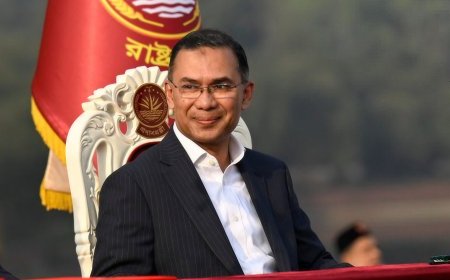
Bangladesh’s foreign policy has entered a period in which strategic balance, with the core guiding principle of “Bangladesh First” will be increasingly important.
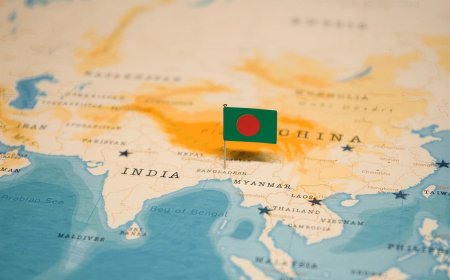
Foreign policy is ultimately not an accounting exercise in who loves us. It is about identifying where interests converge, where they conflict, what each relationship can deliver, what risks it creates, and how those relationships can be converted into bargaining power for Bangladesh.

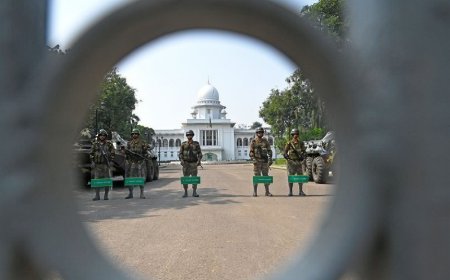
When the minister responsible for internal security dismisses a terrorism warning before reading the report, the greater concern is no longer only the warning itself, it is the state’s capacity to respond to one.
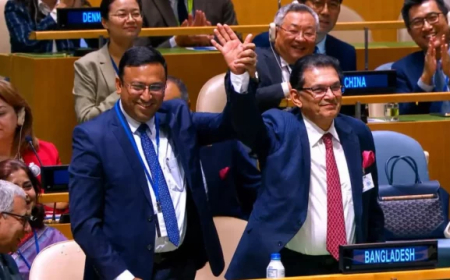
At a time when Bangladesh has often found itself on the defensive internationally, this victory offers a welcome opportunity for national confidence and unity.

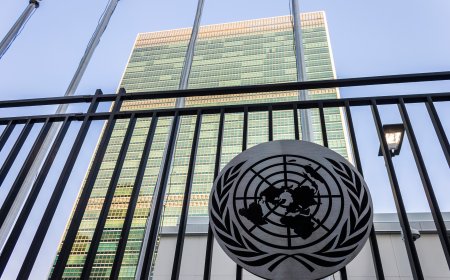
If the UN cannot prevent wars, cannot restrain powerful states, or even name the aggressors, then the world must confront an uncomfortable question: Is the United Nations still fulfilling its founding mission?

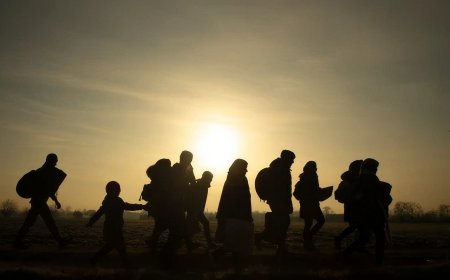
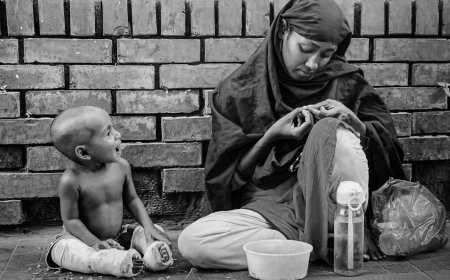
Beyond food, water and shelter, refugees make it clear that safety, dignity, and purpose are also essential to a meaningful life. But cuts under the prioritization exercise jeopardize this holistic commitment to Rohingya well-being.