























































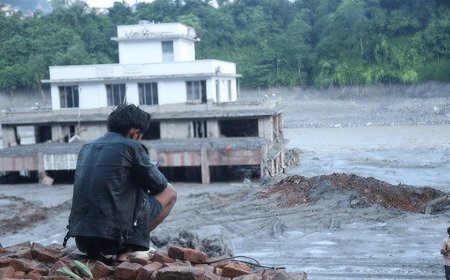
There is no room to view this incident as merely an isolated natural disaster. It is essentially a reflection of the utter failure of global climate politics and an unequal global structure.
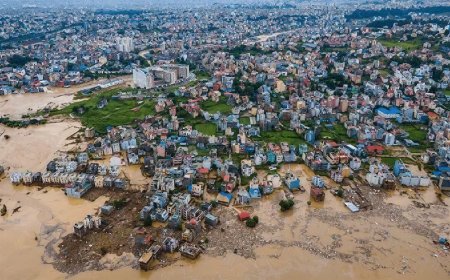
Nepal is owed something more substantial than sympathy and more useful than a loan charging interest on damage it did not cause. Monitoring of unstable ice and glacial lakes concerns the whole basin and should be funded on a standing basis, with hydrological data crossing borders as a matter of routine rather than negotiation.
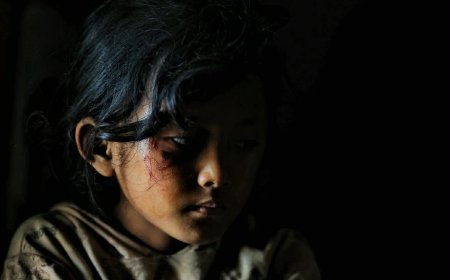
No one could have predicted this disaster would happen when it did, but we all knew it would happen one day.
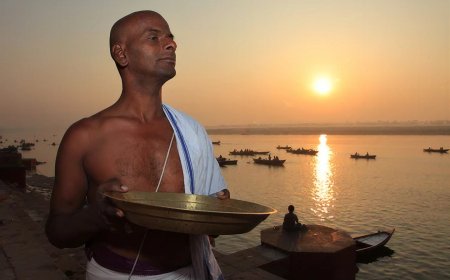
A formal apology may not lead to concrete changes. Instead, pursuing reparations could help reimagine the project of social justice in India.

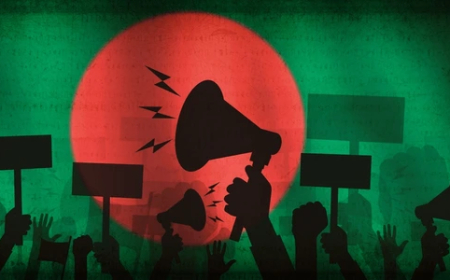
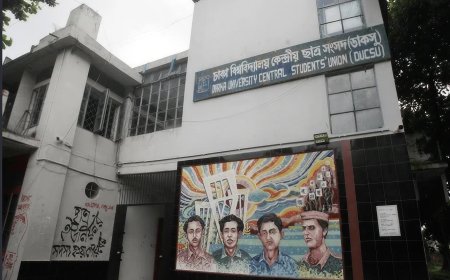
The lesson from Bangladesh, Nepal, and now India is not that students have become unusually rebellious. It is that the region's political class has become unusually incapable of seeing them.
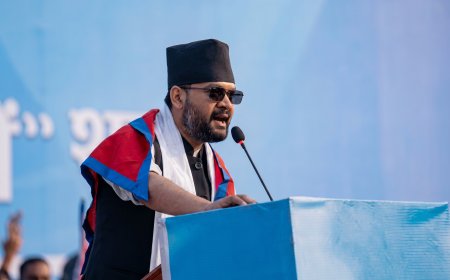
As Nepal’s story unfolds with such urgency, its triumphs and stumbles equally on display, what does Bangladesh’s narrative look like?

New media and direct communication have created openings for ambitious challengers who can bypass old gatekeepers and speak straight to voters. The victories of Shah and Magyar may therefore represent more than isolated upsets. They may be early signs of a broader political era in which aspiring outsiders can more successfully challenge the entrenched elite establishments.
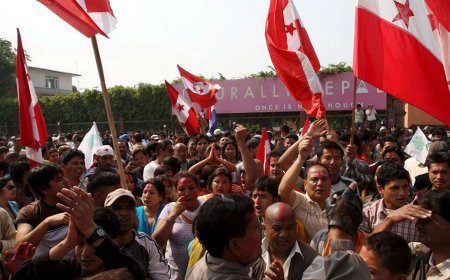
Bangladesh’s political terrain is considerably more rigid. Dynastic narratives continue to exert powerful influence over voter perceptions. The Awami League remains closely associated with the legacy of Sheikh Mujib, while the BNP continues to revolve around the Zia family. In such an environment, new political movements must not only compete with established organizations but also confront deeply embedded historical loyalties.
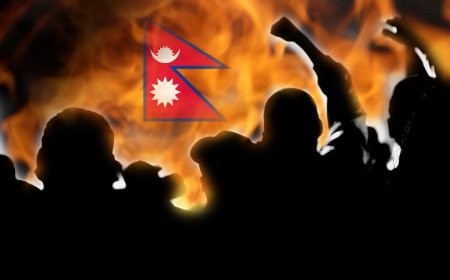
Across Nepal, Sri Lanka, Bangladesh, and far beyond, the message is clear: no one is above accountability. Corruption carries a heavy cost. Leaders who imagine a country belongs to a privileged circle will find themselves confronted by a generation unwilling to be silenced.

What does this Western-originated term truly reveal, and what profound realities does it obscure about the young people of the Global South?
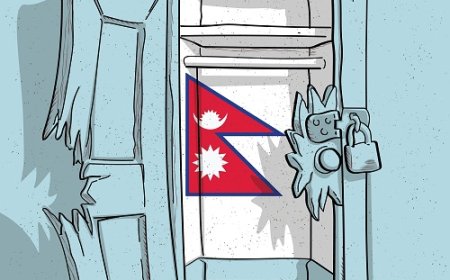
What can those who hope to rule Bangladesh post-elections learn from recent events in Nepal, and what are the twin threats that it will need to face down?