


































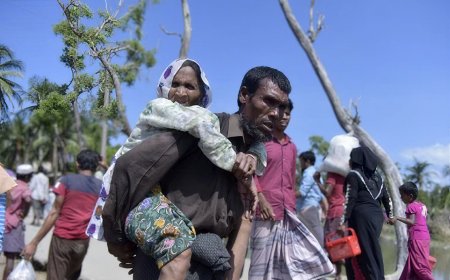
For Bangladesh and for the Rohingya, the conclusion is practical. The verdict is a legal victory, but its value depends on whether the world applies the same law to everyone.

The politics of diplomacy, whether by providing a political stalwart as a diplomatic envoy or by overshadowing the efforts of the professional diplomatic core, will not further efforts to reset but ruin the relations.
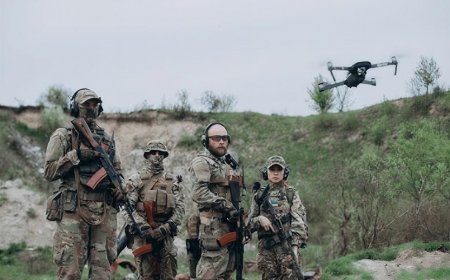
Wars once decided by who could field more men and shells are increasingly decided by who can find, share and act on information faster. Ukraine's advantage is not that it has more soldiers; it clearly does not. It is that each soldier is better informed, better protected and, increasingly, replaced by a machine where possible.
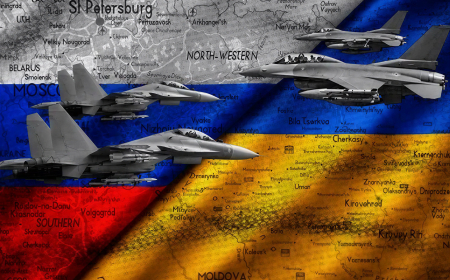
None of this is really new, only newly visible. The Caspian has functioned as a sealed smuggling corridor between Moscow and Tehran since the summer of 2022.
AI is moving faster than any of them. The question is not whether algorithms belong anywhere near the battlefield. The question is who decides where the line is -- and whether anyone is really drawing it at all.
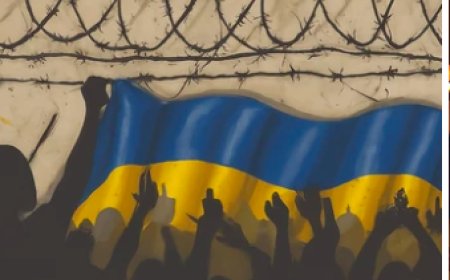
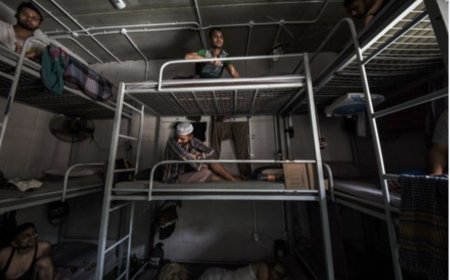
Russia’s war has already caused immense suffering. It should not be sustained through the exploitation of vulnerable people.
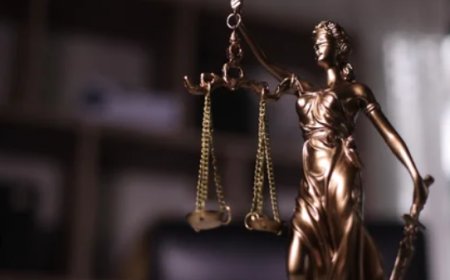
International law appears to bind only the weak nations but not the powerful, mighty ones. Afghanistan, Gaza, Guantanamo Bay, and targeted actions against foreign leaders all show how rules can be bypassed without consequence.
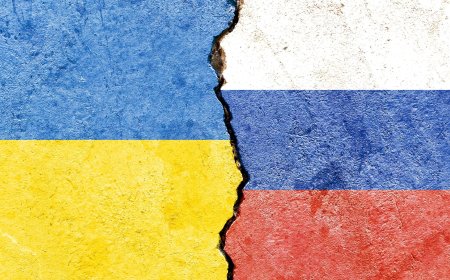
In Ukraine, time is measured in survival. In Moscow, it is measured in leverage. In the West, it is increasingly measured in patience. And therein lies the most dangerous imbalance of all.