

























Are Students Studying Only for Exams?
Students have the right to study and do research freely. However, to create this environment, there needs to be a certain level of excellence. This means that universities need to move away from being focused solely on teaching and testing, and instead encourage students to develop a questioning attitude, a curiosity about what surrounds them, and a desire to contribute to the creation of new knowledge.

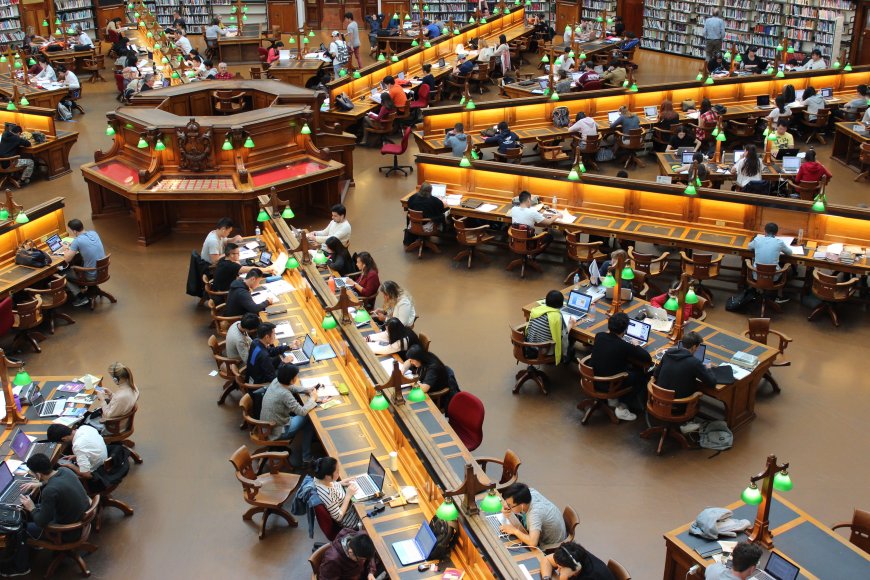
A university is the pinnacle of free thought. It is the place where students go to build their futures. Universities provide students with resources and learning tools to develop their thinking, increase their knowledge base, build upon their existing skill sets, and ultimately prepare for their career paths.
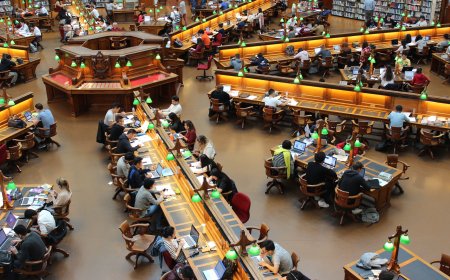
In addition to classroom instruction, there are many other ways that universities support the growth of a student including the availability of a library, developing communication skills through club participation, physical activity through athletics, artistic expression through music and dance, and perhaps most importantly, conducting research with the assistance of faculty mentors, as well as participating in extracurricular activities.
While the success of a university is partially measured by its ability to offer these opportunities, the ultimate measure of success for a university lies in whether or not students take advantage of all of the opportunities available to them and whether or not they learn how to seek out information on their own and create original ideas.
However, the issue remains whether students can take advantage of the university's facility usage.
In other words, does the pursuit of knowledge (e.g., research) remain limited to textbook reading and test-taking because of the traditional examination-based educational model and job requirements?
In today’s world, research is a very important intellectual practice. Research does more than create new knowledge; it is also a powerful tool for challenging traditional thinking and developing new answers through thoughtful consideration and logical evidence.
Research is a collaborative process that requires perseverance, hard work, and patience.
As demonstrated by the responses provided by students interviewed, the majority of students who express an interest in conducting research, or attempting to understand the process, indicate an intention to pursue research based upon either personal interest, or as part of their academic development while attending college.
However, eventually these students will find themselves unable to maintain their interest and commitment to research throughout the duration of their undergraduate studies. This loss of interest can be attributed to several factors.
One factor is that the academic environment of the university can be considered a contributing factor to the student's lack of sustained interest.
Additionally, research requires significant amounts of intellectual and physical exertion, as well as a great deal of patience. While many students show high levels of interest in the early stages of their research projects, they often lose direction mid-way through their projects.
Upon losing direction, some students may decide to discontinue their research projects and seek employment opportunities within the job market. This option represents what is commonly referred to as the "ultimate certification" for the contemporary generation and is regarded as the most socially acceptable form of education.
The biggest problem with the educational system in Bangladesh is that the issue is with the educational institution itself; the educational system; and the honorable teacher.
The educational institution should be the best place to develop critical thinking skills. However, the first thing that is done at these institutions is having the student read through piles of BCS books, study for government jobs, and complete course work. Once a student starts his/her undergraduate program, a rehearsal is organized for him/her to learn about BCS books or job hunting. For 5 years, he/she stays in a room with only a few books, a chair, and a desk, not knowing whether he/she will find employment after graduation or whether he/she will pass the BCS examination.
As far as research goes, this is something that is not known to the students. Although some academic programs include research as part of their course work, the students' knowledge of research is very limited.
Most of the time, the students just copy and paste each other's work during class. Many times, teachers are reluctant to introduce research methods to first-year students.
The third factor that contributes to the decline of education in our country is the "social system”. The social system in our country continues to degrade. Our society dictates how each individual student's life will turn out, and if a student gets a government job, then he or she is successful. Therefore, the social system creates a great deal of mental stress for many of our students. This pressure makes it extremely difficult for many of our students to overcome the societal constraints and focus on conducting research.
Students have the right to study and do research freely. However, to create this environment, there needs to be a certain level of excellence. This means that universities need to move away from being focused solely on teaching and testing, and instead encourage students to develop a questioning attitude, a curiosity about what surrounds them, and a desire to contribute to the creation of new knowledge.
In addition, students need to go beyond the confines of textbooks and read, search for information, and conduct research in their area of interest. When both teachers and students work together, they can open up a whole new world of research.
If we can establish a culture of research within our student body, we can create a more informed, logical, and knowledgeable society, as well as help students achieve academically.
Mst. Shahara Rahman is a social activist and community developer and an undergraduate student of Folklore and Social Studies at the Islamic University, Bangladesh. She may be contacted [email protected].