





























Beyond the Wage Debate
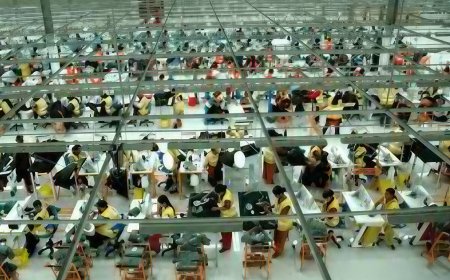
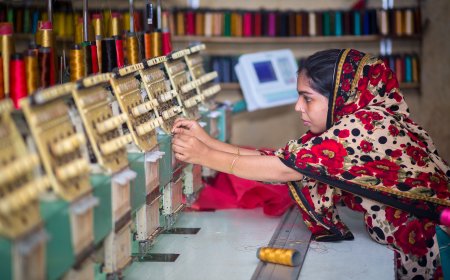
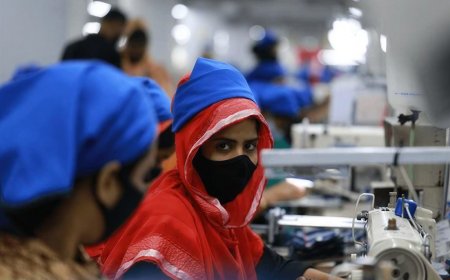
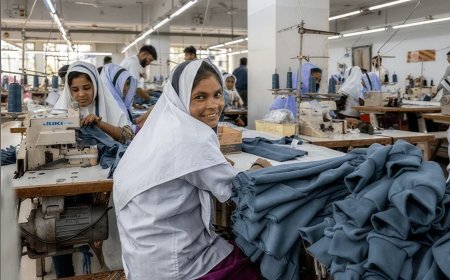
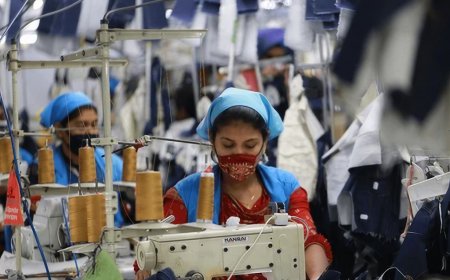
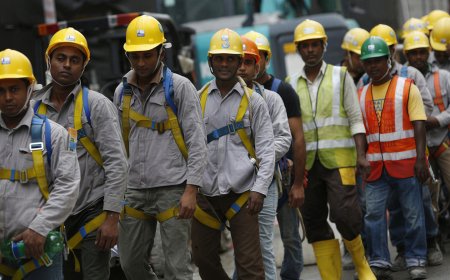
There is in fact a lot the government can do to help the garments workers beyond minimum wage. The civil society deliberations can serve the discourse better by highlighting these issues.

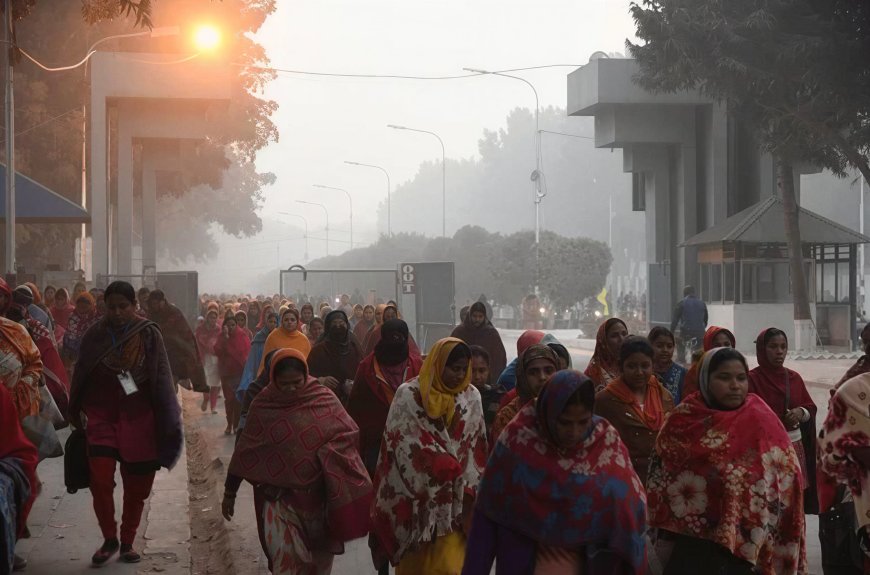
The importance of the garments sector for the economy is self-evident, and so is the minimum wage debate. Therefore, it is not surprising that many would expect Ministers, the Prime Minister’s Office, or perhaps the Prime Minister himself, to get involved in setting the wage.
However, there is no public information to suggest that anything like that has happened. Quite the contrary. The Executive Branch is not directly involved in the wage negotiations.
And even though this might be upsetting to some business tycoons, it is important to acknowledge that the deliberations of the Wage Board is exactly how independent institutions are supposed to function -- something that the country had forgotten under the fallen regime.
That is, it is great that the Prime Minister’s Office is not dictating what the minimum wage should be, and that the wage will be coming out of the public policy discourse that is based in economics.
Let’s revisit the discourse.
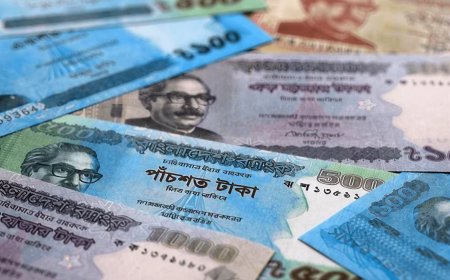
Following the formation of the Minimum Wage Board on November 1 to revise the minimum wage for garment workers, the workers' representatives initially demanded Tk 32,000 for Grade 4.
The Bangladesh Garment Manufacturers and Exporters Association (BGMEA) argued that a Grade 4 worker already earns Tk 19,500 on average, and Tk 22,000 with the festival bonus, overtime and other benefits.
The owners have proposed a minimum wage of Tk 15,700, and the workers’ revised offer is Tk 22,000. Meanwhile, the Centre for Policy Dialogue (CPD) has recommended a minimum wage between Tk 18,578 and Tk 24,204.
We have proposed that the Wage Board should set the Grade 4 minimum wage at Tk 17,830 or close to it. This amount is around 80 percent of the ‘living wage’ as determined by Global Living Wage Coalition. The GLWC living wage for the ‘garments belt’ should be the reference for our wage standard, but as we have argued, we should approach this level in a staged manner.
Specifically, the Board should also set a path for the minimum wage to reach about Tk 22,445 -- the current estimate for the living wage -- over the next two revisions, in steps linked to productivity. BGMEA and BKMEA should publish the total pay of workers from the payroll records of their member factories.
In return for this minimum, the workers' representatives can accept the staged path to the living wage.
Many global buyers have committed to a living wage in their supply chains. These buyers should therefore raise their purchase prices to cover the increase in the minimum wage, as factories cannot absorb the full cost alone.
The Department of Inspection for Factories and Establishments (DIFE) should enforce the new minimum wage, as 13% of workers were short-paid under the last revision. The ILO and development partners can support an annual living wage benchmark for the industrial belt. The next Board can then start from agreed evidence.
The Board has announced a new minimum wage of Tk 17,000 which strikes us a juduicious balancing of interests.
There are, however, some broader economic issues that the focus on the wage alone misses. Crucially, government policy can have a role to play in these areas.
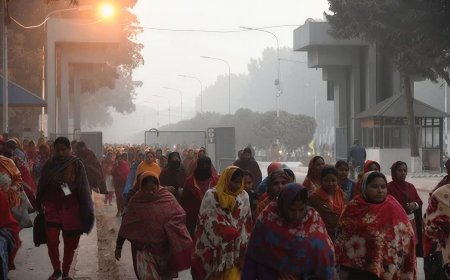
First, any increase in the minimum wage is likely to change relative prices in the garments belt, and trigger localised inflation. Garment workers live in dense settlements close to their factories. After past revisions, landlords in these areas raised rents by more than the increase in the house rent allowance.
National inflation figures do not capture these local price rises. As such, landlords and traders can capture part of a large single increase.
Second, other industries take their cue from the garment wage, and many of them cannot pay the same minimum wage.
Third, factories are already shedding jobs. Industrial Police, BGMEA and BKMEA data show that at least 20,000 workers were laid off in the first half of 2026. A minimum wage beyond the industry's capacity would put more jobs at risk.
What can the government do?
The government's Family Card pays Tk 2,500 a month to the female head of a poor or low-income household. Given their income, the households of garment workers qualify. The government could prioritize their inclusion. This is a political decision, and the current economic situation justifies it.
Meanwhile, around 250 factory fair price shops and the government's sale of rice to garment workers at Tk 30 per kg also reduce the exposure of workers to inflation.
Of course, inflation is ultimately a macroeconomic phenomenon. Non-food inflation has remained high, because the Bangladesh Bank has failed to articulate a credible and coherent monetary policy framework. At the time of writing, taka has been trading at the kerb market at 130 per US dollar, possibly signalling depreciation pressures.
Meanwhile, the Budget figures built on 6.5% growth are clearly not tenable.
And by now it is, or should be, clear to everyone that until there is a clear bank pathway to resolving the non-performing loans in the banking sector, private investment and economic growth will not recover.
Meanwhile, the economic slowdown means firm exit -- something that is a natural part of the business cycle dynamics, and yet extremely difficult to do in Bangladesh.
There are unproductive firms and establishments, with capital that could be redirected to more productive use, if there was a modern bankruptcy regime. Bankruptcy reform was an electoral commitment of this government that is yet to be fulfilled.
That is, there is in fact a lot the government can do to help the garments workers beyond minimum wage. The civil society deliberations can serve the discourse better by highlighting these issues.
Md. Rubaiyath Sarwar is the Managing Director of INNOVISION Consulting and a Trustee of Panam Institute.
Jyoti Rahman is the Executive Editor of the Weekly Counterpoint and the Chairperson of the Panam Institute.