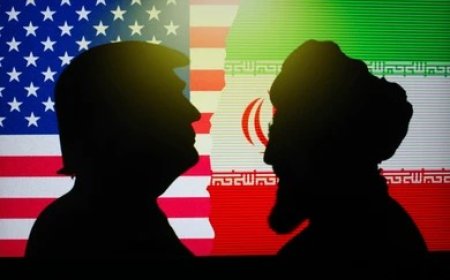

































































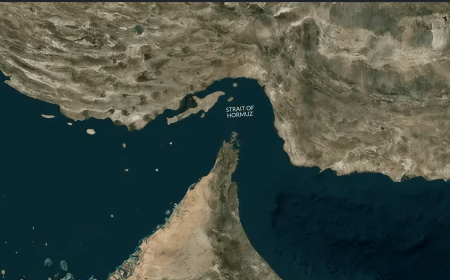
The latest ceasefire between the United States and Iran has failed to restore confidence in the Strait of Hormuz, exposing the world's continued dependence on a chokepoint that remains vulnerable to disruption.

Climate activists paint a dire picture of rising temperatures devastating crops and fueling famine, but they are mostly wrong. Climate change will alter farming conditions, benefiting some areas, challenging others, with a net negative but negligible impact.

The Strait of Hormuz is more than a regional flashpoint; it is the definitive laboratory for the 21st century maritime warfare.
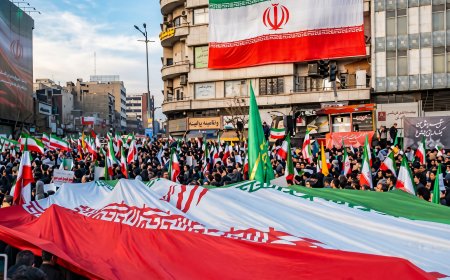
A nation fighting for its survival generates a depth of will that a nation fighting for its credibility simply cannot match.
But the Strait of Hormuz never read your book. It does not care about Hegel. It does not care about the "universalization of liberal democracy." It cares about the presence of a warship within 500 kilometers of its shores -- and it has learned to fire a missile that can make that warship regret its existence.
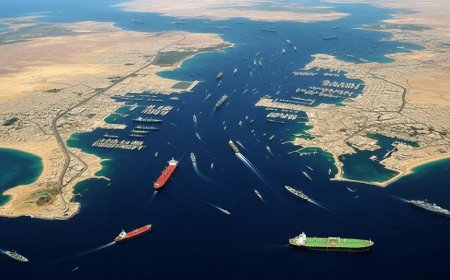
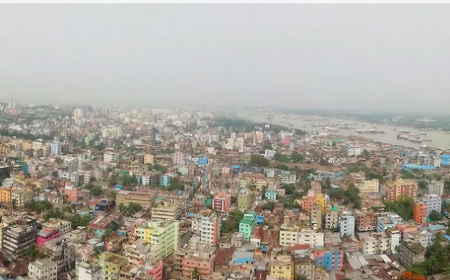
For Bangladesh and other maritime-dependent nations, the lesson is clear. Security can no longer be conceived in predominantly territorial terms. It must be understood as a function of connectivity, resilience, and access -- all of which are fundamentally maritime.
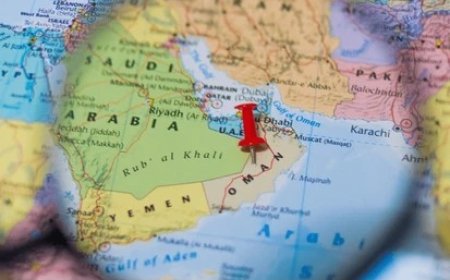
Leaving OPEC was a symbolic declaration to the Gulf that Abu Dhabi can no longer stay a passenger in the oil vehicle supplying the world.

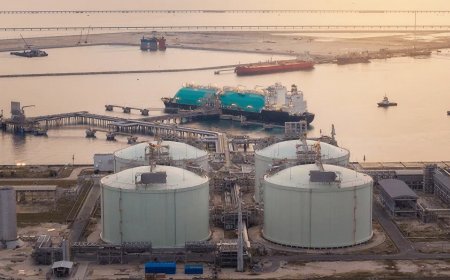
The war shut down every long-term supplier in a week. But the permanent damage may not be Bangladesh’s problem.

It is a clear admission that the war failed to deliver its stated objectives. No regime change, no oil conquest, no uncontested control of the Strait of Hormuz, no elimination of Iranian nuclear capabilities without serious concessions.

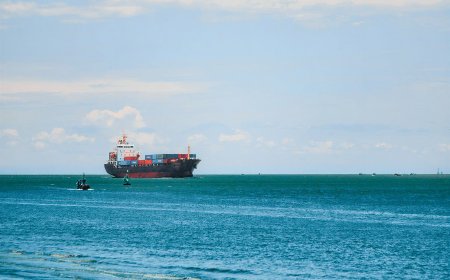
The Strait of Hormuz is in crisis, disrupting the global economy. Asia, in particular, faces a coming storm with a prolonged closure -- the Strait carries the lifeblood of Asia's economy.
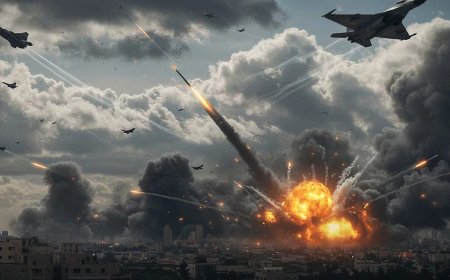
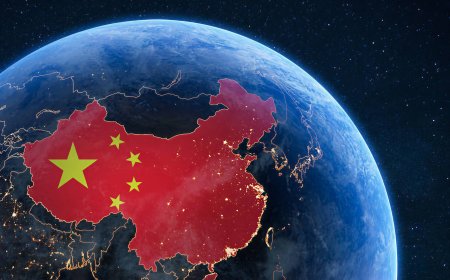
From the Strait of Hormuz to the Bay of Bengal, the United States is fighting a war it has never fully declared -- one waged not against Tehran or Caracas, but against the architecture of a Chinese-led economic order.

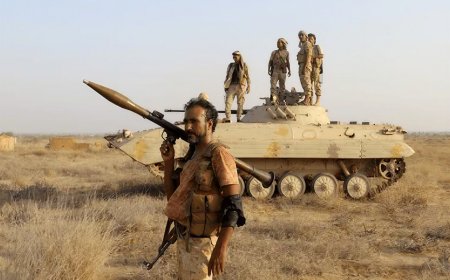
Iran is delivering a master class in asymmetric warfare with real life military, geographic, and economic consequences.
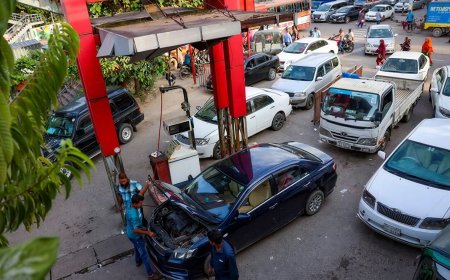
Already, there are signs of classic crisis behaviour. Panic buying, hoarding, informal resale of fuel at inflated prices, and rising tensions at petrol pumps. These are not the symptoms of a stable system. They are the early tremors of a breakdown in trust.
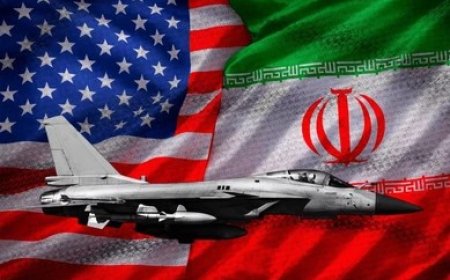
Iranian leadership has demonstrated remarkable resilience, shaped by the mosaic defence, the bolster policy of Iran after the death of Kashem Soleimani.
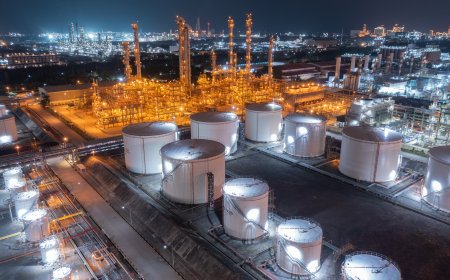
If Bangladesh builds an SPR, it must not repeat either failure mode: Not scarcity through neglect, and not expansion without scrutiny. That, finally, is the real argument for a Bangladeshi reserve. Not a monument. Not another expensive ribbon-cutting exercise. A shield.