




























































Francis Fukuyama, Your Carrier Group Just Turned Around
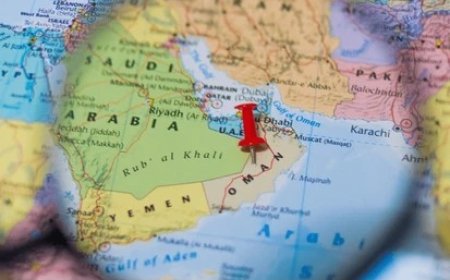
But the Strait of Hormuz never read your book. It does not care about Hegel. It does not care about the "universalization of liberal democracy." It cares about the presence of a warship within 500 kilometers of its shores -- and it has learned to fire a missile that can make that warship regret its existence.
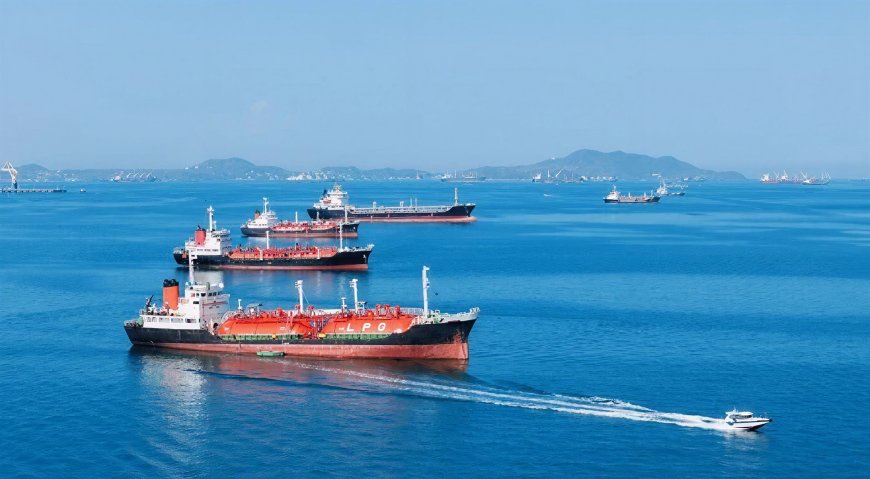
Francis Fukuyama is sitting in a café in Washington, DC, 2026. He is not young anymore. He is not famous in the way he once was. He is reading a tweet from a US Navy account, posted at 2:00 AM local time: "USS Eisenhower has adjusted its position to maintain optimal operational distance from the Strait of Hormuz."
He stares at the screen. He reads it again. Then he thinks about 1992, about the Berlin Wall, about the triumphant essay that became a book that became a career that became a joke.
The message he is receiving, slowly, painfully, is not from a publisher or a fan. It is from the Strait of Hormuz itself. And it says, in the language of hypersonic missiles and Iranian tea: "Your end of history is a beautiful delusion. Watch this."
The Retreat That Reads Like a Meme
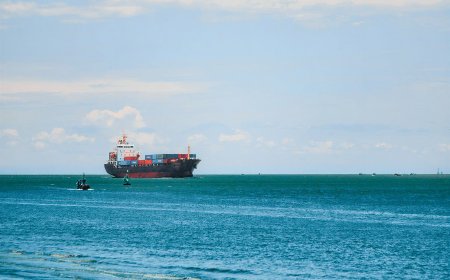
The carrier group turns. It does not turn slowly, with dignity, with a brass band playing. It turns quickly, like a man who just heard a floorboard creak in a dark house. The 1,000-kilometer distance is not a strategic choice. It is a panic response. It is the US Navy doing the naval equivalent of locking the car doors and rolling up the windows while a stray dog walks past.
Fukuyama's book promised a world without existential rivalries. It promised a final, peaceful, liberal flowering. What did the Strait of Hormuz give him instead? A row of hypersonic missiles, a fisherman with a satellite phone, and a superpower that has decided that flight is better than fight.
This is not the "Last Man" content and satisfied. This is the Last Superpower quietly, humiliatingly, repositioning its assets because the calculus of the 21st century has changed.
The Trolling of the Think Tank Class
The think tanks are still spinning. Robert Kagan is writing a new obituary—this time, for the idea of American naval dominance. Victoria Nuland is on a Zoom call with someone in Kyiv, explaining that the withdrawal is "tactical." The defense contractors are angry. The admirals are silent. The memes are already being made.
But none of that matters to the Iranian fisherman.
He has no idea who Fukuyama is. He has no idea what "liberal democracy" means. He only knows that, for the third time this month, the great American carrier group -- the one that was supposed to patrol the waters of the world forever -- has turned around and sailed east, away from his tea, away from his island, away from the strait that the Portuguese once controlled, the British once policed, and the Americans once believed was theirs by right.
The Tea That Waited for the Obituary
The fisherman sips. The tea is black, sweet, and hot. It has been brewed on a small stove in a small hut on a small island, using water drawn from a well that has been used since the 16th century. The Portuguese drank from it. The British drank from it. The Americans never did -- they brought their own water, sealed in plastic bottles, shipped across oceans, dependent on supply lines that now feel fragile.
The fisherman watches the blip on his phone fade from the radar screen. He is not gloating. He is not celebrating. He is simply noting the fact, as he would note the weather or the price of fish. The Americans have moved away. They will come back. Or they will not. Either way, I will still be here. My tea will still be hot. My daughter's lullaby will still be sung.
The End of History, According to the Strait
Francis Fukuyama, hear this: Your "end of history" was never a theory. It was a mood. It was the confidence of a superpower that had just won a cold war and believed, with the hubris of the truly victorious, that the rest of the world would simply follow along.
But the Strait of Hormuz never read your book. It does not care about Hegel. It does not care about the "universalization of liberal democracy." It cares about the presence of a warship within 500 kilometers of its shores -- and it has learned to fire a missile that can make that warship regret its existence.
The carrier group turned around. The fisherman sipped his tea. And somewhere, in a café in Washington, Francis Fukuyama felt a strange, cold wind. It was not the wind of history ending. It was the wind of a missile streaking over the Gulf, and a great empire realizing, one radar blip at a time, that its time had passed.
Zakir Kibria is a Bangladeshi writer, policy analyst and entrepreneur based in Kathmandu, Nepal.