












































![A Ledger of the Soul: Navigating the Allah-Bhagavant Nexus in a 19th-Century Puruṣākāra Jñāna Caupara [Gyan Chauper]](https://counterpointbd.com/uploads/images/202608/image_430x256_6a93baa3b09a7.jpg)





















A Rational Break, Not a Rebellion
Leaving OPEC was a symbolic declaration to the Gulf that Abu Dhabi can no longer stay a passenger in the oil vehicle supplying the world.

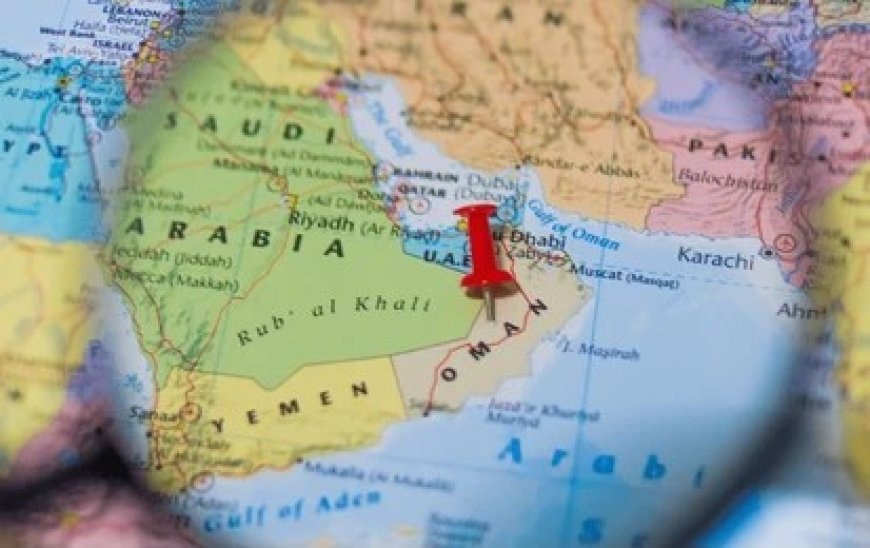
The UAE is leaving OPEC (Organization of the Petroleum Exporting Countries) on 1st May 2026. This may seem like a rebellion against Riyadh due to Riyadh’s historical ties to OPEC after six decades of obedience.
Zoom out of this scenario and the bigger picture emerges. This was not an impulsive decision, neither was it an act of defiance.
Rather, it was a rational long overdue decision by the UAE whose economic interests have departed from the OPEC cartel’s interests for years now. This is a significant development for the energy markets, Gulf geopolitics and the future of fossil fuels.
Let’s look at the numbers, the UAE has an estimated 111 billion barrels of proven crude oil reserves, that is about one tenth of the world’s reserves. UAE’s state oil company has committed $150 billion to expand crude oil production up to 5 million barrels a day by 2027.
Even on the day of the announcement of UAE leaving OPEC, it was producing about 3.4 million barrels a day leaving 1.4 million of its capacity largely unused.
OPEC was not working on Abu Dhabi’s interests; OPEC was only trying to keep oil prices stable globally without much regard to UAE.
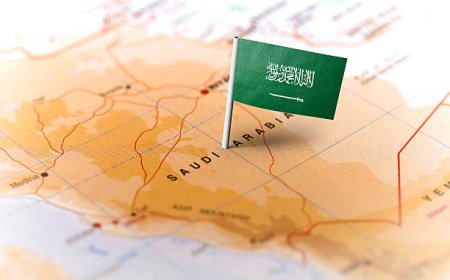
Saudi Arabia on the other hand, Riyadh is burning through billions of dollars in cash funding their flagship project Vision 2030 aimed at economic reforms to transform to transition away from oil export dependency which cost them a whopping $44 Billion this year.
To balance this deficit from an accountancy angle, the Saudis need global oil prices to hover between $90-95.
In comparison, the UAE needs prices to be around the $50 mark, near about half of the Saudis. With a massive budget surplus, the UAE can afford and benefit from producing more oil for lower prices than Riyadh.
To them, more volumes at a lower margin will still give them a healthy return on investment. At those prices, it’s a fiscal crisis for Saudi Arabia.
The two nations in OPEC have essentially completely incompatible economic objectives.
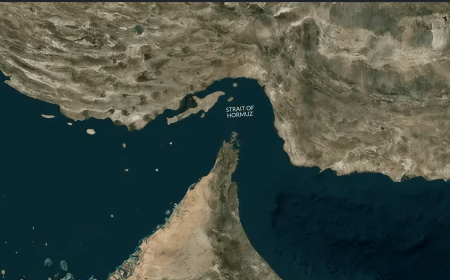
Another point of contention is the Strait of Hormuz, with war in the region, the Hormuz straight is essentially out of operation driving oil prices upwards. Riyadh appears to be fine with how the situation is unfolding because high prices offset any drops in export volumes.
The UAE is trade dependant and its economy is finance driven, to keep these two running, it needs stability and openness much more than Saudi Arabia and are not very comfortable to long disruptions.
The more protracted this crisis ensues, the more Abu Dhabi shall suffer, and it has reached a tipping point whereby the UAE can no longer stay subordinated to the Saudi’s interests. Leaving OPEC was a symbolic declaration to the Gulf that Abu Dhabi can no longer stay a passenger in the oil vehicle supplying the world.
As brave as UAE’s bold move may look commendable, we can’t ignore UAE is a key player in Gulf and global geopolitics for which, we need to take a closer look through Washington’s lens.
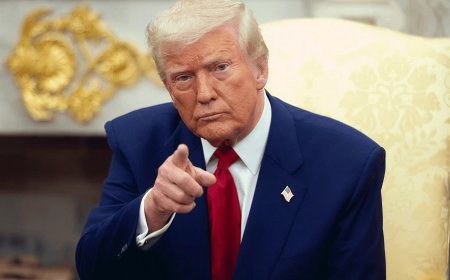
President Donald J Trump has a history of displaying open hostility towards the OPEC cartel whom he openly claimed were “exploiting” hard working American consumers for decades now.
President Trump’s administration prefers cheaper oil prices, higher production limits and a weak OPEC cartel: All of which aligns with UAE’s move to leave OPEC.
Concurrently, Abu Dhabi is reported to be exploring a currency swap deal with the US Federal Reserve to prop up its Dirham currency which has tumbled due to the Iran crisis.
Regardless of whether their OPEC exit was tied to US interests, none can deny that a strategic partnership is developing behind the scenes between Abu Dhabi, Washington and Jerusalem, specially after the deployment of IDF troops in the UAE to operate their Iron Dome missile defence system.
Beyond the visible politics, the UAE’s exit reflects UAE’s long term game plans as they usually operate. Despite, large portion of the UAE being dependent on oil, they have also built up some of the largest solar farms on earth.
As of right now, they are positioning to be a future major LNG exporter and has ambitions to be a leading hydrogen exporter too. OPEC’s quotas and limits do not align with that goal.
Technically, the UAE’s exit from OPEC is actually good news for consumers globally. Higher supply without price caps, less cartelized, and it could set a precedent for other producers to follow suit.
OPEC’s contribution to global crude oil production has taken a mighty fall from 50% in the 1970’s to around 30-35% today. UAE’s exit could drive it down to 30% in the coming years. With that, OPEC’s pricing power also decreases.
The UAE has not rebelled against Saudi Arabia, it has simply decided it’s not worth being a Junior Associate at a firm which does not look out for it’s best interest.
After almost 60 years of OPEC membership, Abu Dhabi concluded correctly that as a wealthier and more diversified nation, it is better to be an independent actor than follow a cartel. The rational move was always to leave OPEC, it was only a question of when?
The UAE has not rebelled against Saudi Arabia. It has simply grown up. After nearly 60 years of membership, Abu Dhabi has concluded -- correctly -- that it is a wealthier, more diversified, and more strategically independent actor than the cartel structure allows it to be.
The rational move was always to leave. The only question was when.
Shafqat Aziz is a barrister (Lincoln’s Inn) and an accredited Civil-Commercial Mediator (ADR-ODR International).