









































































There is no better way for the ruling party to signal that it understands this new reality and that recognizes that it is truly a new day in Bangladesh, and that they too have changed their spots accordingly, than for them to quietly walk back the appointment.

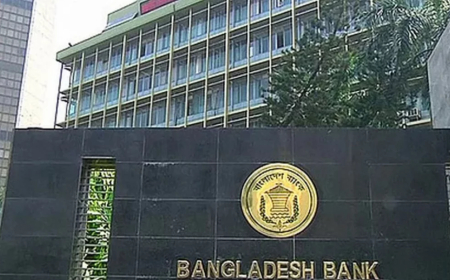
Bangladesh is not on the verge of collapse, but it remains fragile. During periods of economic uncertainty, central banks must stay above politics. When monetary authority appears negotiable, inflation expectations shift, currency stability drops, and fiscal discipline weakens.

This government came to power with a democratic mandate. But it risks squandering it. City administrations must look neutral. International crimes prosecutions must feel independent. And the central bank must signal credibility beyond politics.

When it comes to the central bank governor, optics are everything. If he is perceived to be the government's man, then no one will have the necessary faith in him, and he will fail before he even starts.
If the BNP's goal had been to signal to the Bangladeshi people that everything their adversaries say about them is true, that nothing has changed from the time they were last in office 20 years ago, that they remain exactly the same party of cronyism, corruption, and contempt for public opinion, they could not have done a better job.

Keeping interest rates artificially low is a recipe for disaster. We have been here before -- not even too long ago -- and we know how this story ends. It won't be pleasant for anyone, least of all the newly-elected government.