





























































The government deserves credit for pushing out its electoral promises at the soonest, without being bogged down by the bureaucratic miasma. It deserves credit for providing a long-term aspirational strategy. However, the government must now pivot to confront the crisis of confidence that is imminent.
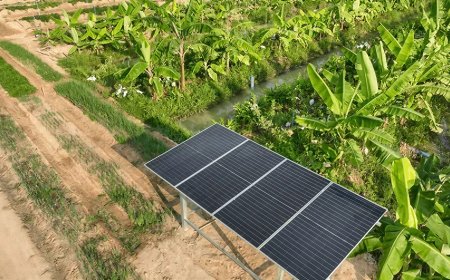
A project does not automatically become sustainable simply because it produces clean electricity. Renewable-energy development should not unnecessarily displace communities, convert productive farmland, destroy wetlands or wildlife habitats, obstruct natural drainage, or damage ecologically sensitive landscapes.

A common citizenship need not require a common mother tongue. Diversity, when constitutionally recognized, can strengthen a state; when suppressed, it can eventually break one apart.
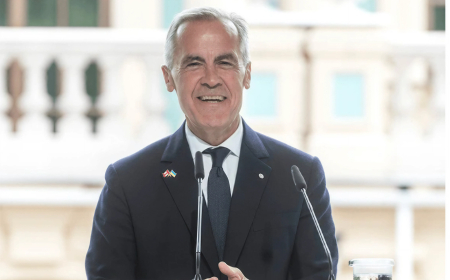
At a time when the world is looking for direction on how to contend with conditions that are anything but normal, Carney is better placed than any of his peers to shoulder the responsibilities and expectations that come with being the de facto leader of the global middle
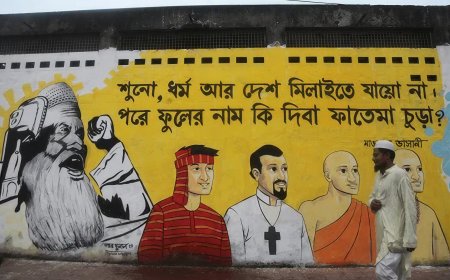
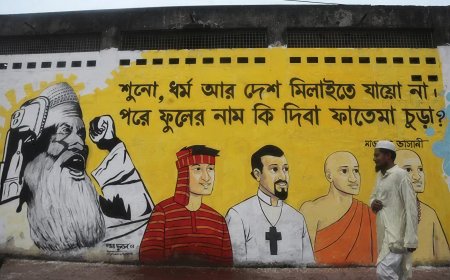
Bangladesh does not need to choose between religion and secularism. It must choose between a democratic political system, where diverse beliefs co-exist under shared constitutional rules, and a politics where identity is weaponized to determine belonging.
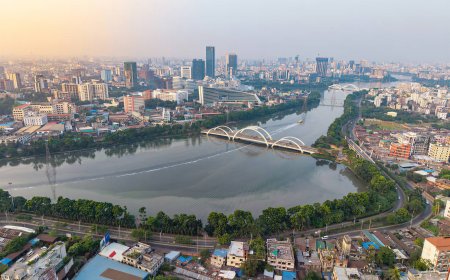
By embracing enduring, rights-based institutional programming, Bangladesh and the broader development community can plant the seeds of a resilient, deep-rooted institutional banyan tree that will stand firm through future economic and climatic storms.

Securing the maritime area was only the beginning. Bangladesh must now protect the area, ensure maritime security, safeguard its environment, and develop the capacity to explore and responsibly utilize the resources of the seabed and subsoil.
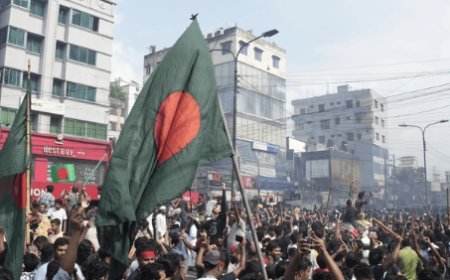
The Bangladesh we aspire to build will not emerge from slogans alone. It will emerge from the courage to reform, the discipline to implement, the wisdom to learn, and the integrity to put national interest above narrow interests.
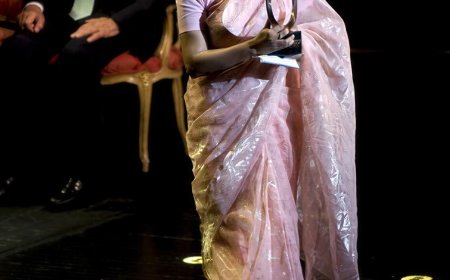
If a person judges a politically active woman not by her arguments but by her prayers and faith, how would he have regarded the millions of citizens whose religions, beliefs, lifestyles and religious practices differ from his own if he had acquired state power?

In fact, for an American diplomat, Ambassador Peters sometimes sounded remarkably like a demanding Bengali mother: Bangladesh is already one of the ten most populous countries in the world, so naturally nothing short of becoming a top-ten country in every other respect should be acceptable.

Bangladesh does not need another generation that merely knows how to speak about religion, culture, patriotism, or morality. Perhaps we need a generation that knows how to live them. And perhaps that is where the real Bangladesh begins.
As the global aid system shrinks itself by design, Bangladesh is being asked to do more, with less, twice over -- once for a million Rohingya it did not create, and once for a climate crisis it did not cause.

The success of a country's moral education cannot be measured by looking at children's lips. If you want to measure it, ask whether a seven-year-old child can sleep safely at night inside that institution.
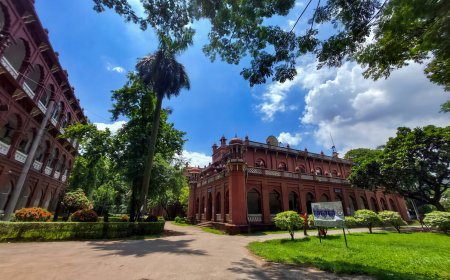
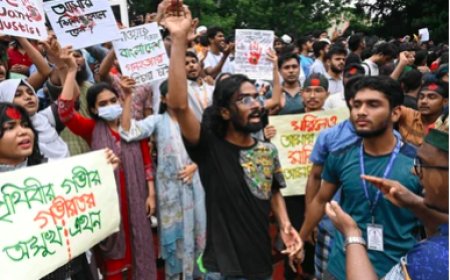
Had Begum Rokeya been alive to see the name “Oborodhbasini”, the platform through which female students are challenging these restrictions, perhaps she would have recognized the continuity before she noticed the novelty.

History is filled with lessons of how not to escalate wars and perhaps even avoid them; we have now known for decades what we need to do to limit and perhaps even reverse anthropogenic climate change; and the supernova of AI can be regulated to fit and work for human dignity and agency
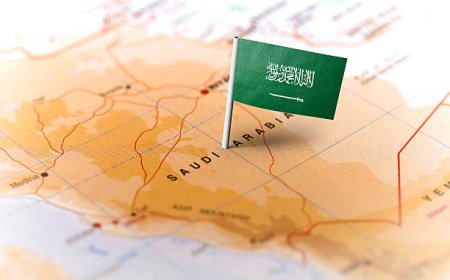
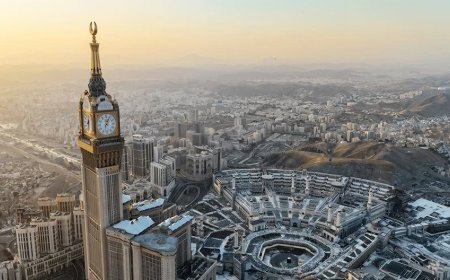
So the question becomes: If Bangladesh joins the Mecca Pact, which of its immediate security problems will be solved? My answer: Not very many.