











































































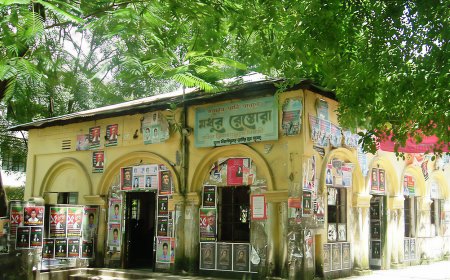
A Bengali Muslim could support the idea of Pakistan at one moment, fight for Bengali language rights at another, and later resist the Pakistani state itself. Political identity changes through historical experience. That change is not an inconvenience to history. It is history.
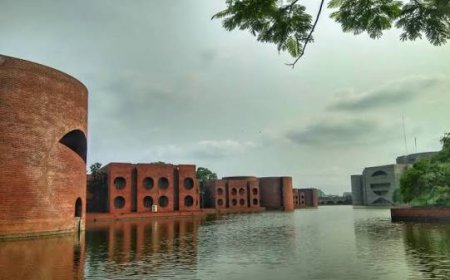
An uprising can reclaim space without reclaiming sovereignty. It can capture a symbol without capturing the mechanism. It can change the occupants without changing the architecture of access.
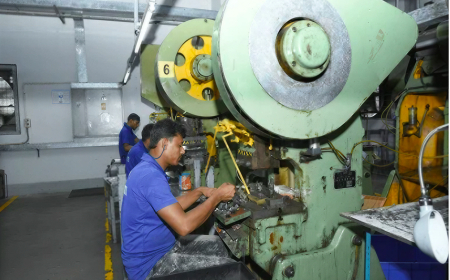
Bangladesh cannot end the war in the Middle East. Nor can it prevent the next pandemic, commodity shock or geo-political disruption. What it can do is decide how exposed its citizens will be when the next shock arrives.

A democracy cannot ask citizens to trust the ballot while treating one of their ballots as optional. The government received its mandate from the people. The July Charter received its mandate from the people as well. Both must be honored.

Somewhere between those two narratives, Ganapati, Pritilata, Agami and Ayush risk ceasing to be four human beings and becoming evidence for somebody else’s political story.
Patriarchy does not survive only because men consciously decide to oppress women. It survives because its norms can become embedded in families, institutions, communities and individual beliefs, including the beliefs of women themselves.
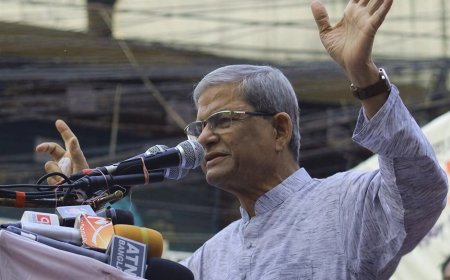
Not only did Mr. Alamgir represent a big obstacle for the right-wing network in their pursuit of power and rent but he was also a prominent face of the liberal democratic elite. He is also an obstacle in the spreading of right-wing influences within the BNP.
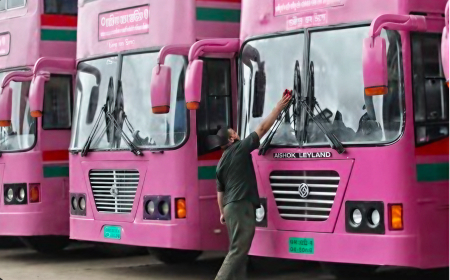
Giving a woman a corner of the bus and giving her control of the direction of the entire bus are not the same politics. Today her passengers may be women. Tomorrow everyone may be on board.
A river does not recognize a border. A bird carries no passport. The wind requires no visa. Seeds do not stop at lines drawn on human maps. An elephant does not know which hill belongs to Bangladesh, which to India, which to Myanmar.
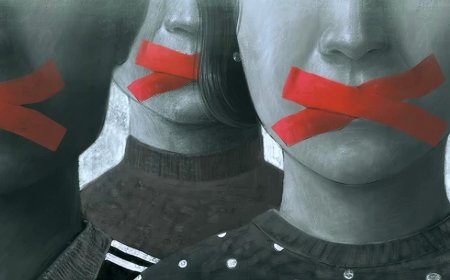
Is coercive moral policing becoming normalized in Bangladesh’s public sphere?

The least we owe her is the same chance we have always extended to men with far worse track records. If we spent even a fraction of the energy currently aimed at her job title on the officers who signed off on S Alam's loans, we might actually get somewhere.
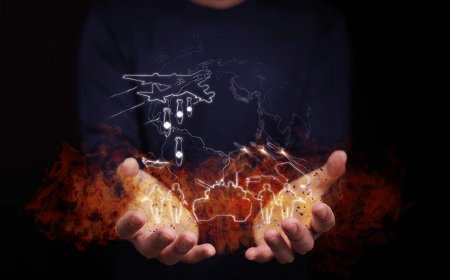
When the minister responsible for internal security dismisses a terrorism warning before reading the report, the greater concern is no longer only the warning itself, it is the state’s capacity to respond to one.

The first Doppler poll suggests that the government's political position remains reasonably strong. Two different national surveys, conducted through different methodologies, place government approval at almost the same level. That convergence deserves recognition.

Perhaps we have placed shame in the wrong place. We shamed the body instead of violence. We questioned the survivor instead of the aggressor. We taught embarrassment where we should have taught consent. And we said: Hush. We do not speak of these things.
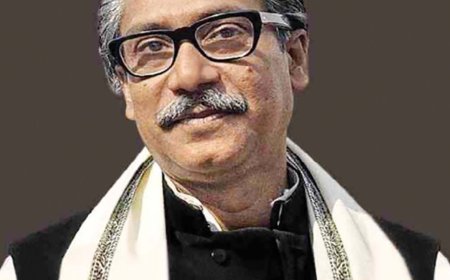
To be exact about what happened and what didn't: Bangladesh was not reborn in August 2024. A country is born once. What happened in 2024 was not a second birth but a reckoning.
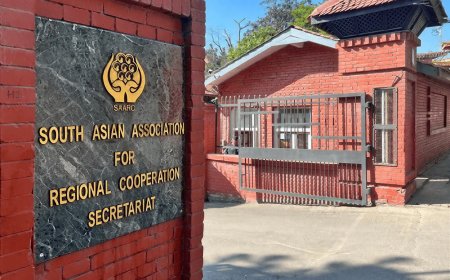
The moment may have arrived for Dhaka to turn India’s need for regional legitimacy into an opportunity to reset the relationship on a more balanced and multi-lateral footing.








