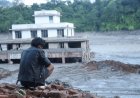


































































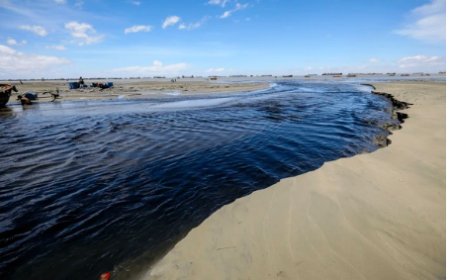
The historical responsibility for climate change belongs to the developed world, yet the extreme price is still being paid by our marginalized coastal people.
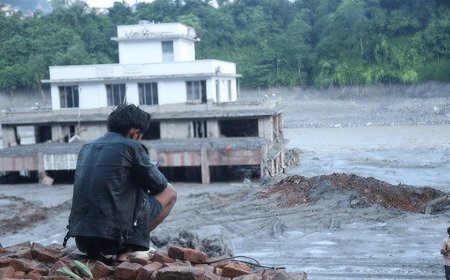
There is no room to view this incident as merely an isolated natural disaster. It is essentially a reflection of the utter failure of global climate politics and an unequal global structure.

By embracing enduring, rights-based institutional programming, Bangladesh and the broader development community can plant the seeds of a resilient, deep-rooted institutional banyan tree that will stand firm through future economic and climatic storms.

History is filled with lessons of how not to escalate wars and perhaps even avoid them; we have now known for decades what we need to do to limit and perhaps even reverse anthropogenic climate change; and the supernova of AI can be regulated to fit and work for human dignity and agency
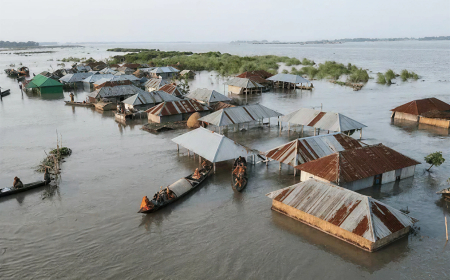
Climate mobility should not be viewed exclusively through the lens of loss and displacement. When supported by effective policies, mobility can contribute to economic development, strengthen resilience, and expand opportunities for affected populations.
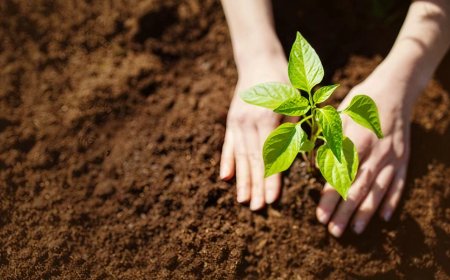
Climate activists paint a dire picture of rising temperatures devastating crops and fueling famine, but they are mostly wrong. Climate change will alter farming conditions, benefiting some areas, challenging others, with a net negative but negligible impact.

The time is long over due to drop the fixation on inefficient net zero targets and double down on adaptation to drive green energy breakthroughs
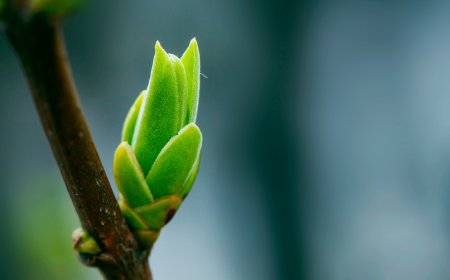
Without proper planning, scientific implementation, public engagement, and addressing the root causes of deforestation, the pledge to plant 250 million trees will not succeed
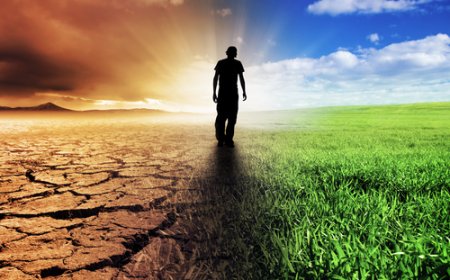
The important global choice is whether to focus first on the most efficient policies to tackle the world’s most urgent problems of disease, hunger, and poverty, or on the climate concerns of the world’s rich. The world’s poor need billions for health, nutrition and growth, not trillions for inefficient gestures.