




























































Why New Delhi Must Stop Sheltering Bangladesh’s Destabilization Campaign
If New Delhi is genuinely invested in long-term regional stability and peaceful neighborhood ties, it must cease allowing its territory to act as a staging ground for a disreputable political comeback. India must uphold the bilateral Extradition Treaty, honor its diplomatic word, and return Sheikh Hasina to face the legal reckoning of the people she left behind.
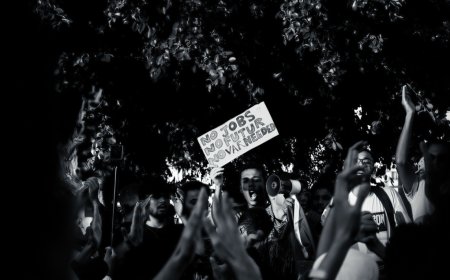
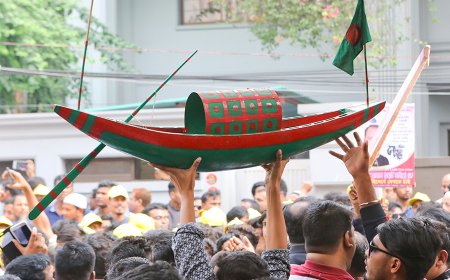
For the past several days, a familiar and chilling theater of violence has re-emerged across parts of Bangladesh. Spates of sudden arson attacks, the torching of local properties and political residences, targeted vandalism of police installations, and a coordinated wave of physical assaults hitting more than twenty branches of the microfinance institution Grameen Bank -- including arson attempts against bank offices and railway tracks -- are not random acts of civic frustration. They bear the unmistakable signature of engineered sabotage.
This coordinated unrest coincides directly with provocative political signaling from abroad -- specifically, the public declarations of fugitive former Prime Minister Sheikh Hasina, described as a disgraced former leader by The Guardian, telegraphing a desire to orchestrate a disruptive political return to Bangladesh by December.
To understand the gravity of this shadow play, one must trace how we arrived here.
The Refugee of New Delhi and the Extradition Vacuum
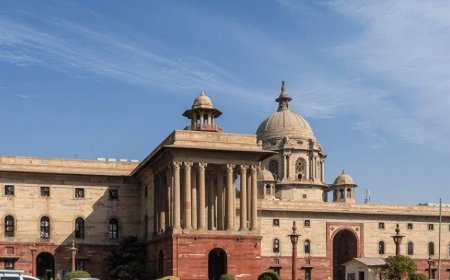
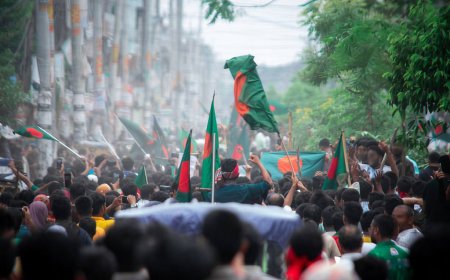
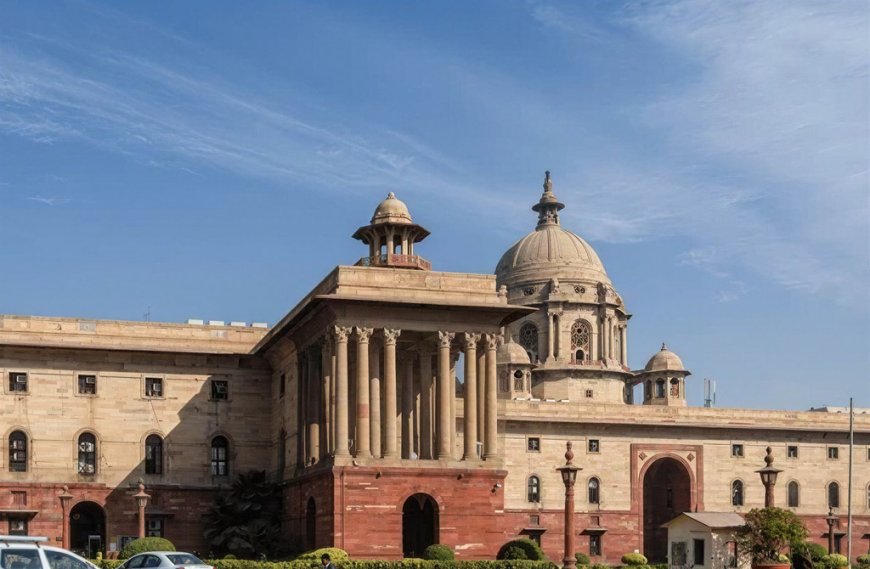
When the student-led democratic mass uprising successfully overthrew Hasina’s autocratic regime in August 2024, she fled across the border into India. The context of her arrival was laid bare in the Indian Parliament when External Affairs Minister S. Jaishankar delivered his suo motu statement in the Lok Sabha.
Jaishankar briefed lawmakers that as security forces and crowds converged on Dhaka, Hasina made a last-minute decision to resign and requested emergency flight clearance and sanctuary in India -- an arrangement requested at very short notice that New Delhi granted, absorbing her as a state guest.
Yet, being a state guest does not confer diplomatic immunity from international law or bilateral obligations. The sovereign government of Bangladesh has formally demanded her extradition to face justice for systemic human rights abuses and state-sponsored violence.
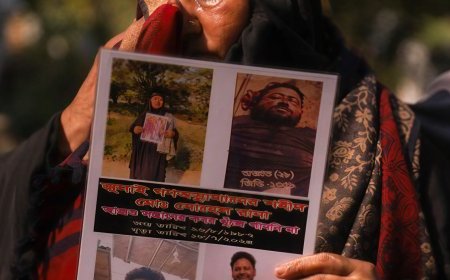
The legal mechanism for this is unambiguous: the bilateral Extradition Treaty signed under Hasina’s own administration (originally concluded in 2013 and amended in 2016), which was designed precisely to streamline the return of criminal fugitives between the two nations. Compounding this legal paralysis is New Delhi’s continued delay in handing over high-profile criminals -- such as the suspects in the killing of prominent activist Sharif Osman Hadi, who were tracked and arrested in India’s border region yet remain unreturned despite Dhaka's formal extradition requests.
The Great Geo-political Irony
By providing safe harbor, political breathing room, and a platform for a deposed autocrat whose loyalists are actively executing arson, attacking financial lifelines of the rural poor, and attempting to fracture public order, India is engaging in a passive yet potent form of destabilization.
The supreme irony of New Delhi's posture is its historical hypocrisy. For decades, Indian security establishments have professed an abiding anxiety that sovereign Bangladeshi soil would be utilized by insurgent groups -- such as the United Liberation Front of Asom (ULFA) -- to launch proxy terrorist activities against India's volatile Northeast or its national integrity.
Yet, looking at the ledger since the regime change, the reality flips the script entirely. Following the collapse of the Awami League regime, successive administrations in Dhaka -- spanning the 18-month interim governance under Muhammad Yunus and the subsequent elected administration led by Prime Minister Tarique Rahman -- have maintained absolute scrupulousness.
Not a single act of cross-border terrorism or state-backed destabilization directed at India has originated from Bangladeshi territory. In fact, under the current climate, minority communities in Bangladesh have celebrated religious festivals like Durga Puja with unprecedented peace, extended public holidays, and robust state security -- drawing praise even from prominent Indian commentators.
The threat to regional security is not coming from Dhaka targeting India; it is coming from New Delhi sheltering a political faction that is actively weaponizing arson and sabotage inside Bangladesh.
New Delhi is inadvertently doing to Bangladesh precisely what it always feared hostile proxies would do to it.
Reciprocity Requires Action
International relations and bilateral trust depend on mutual adherence to legal commitments. Successive governments in Dhaka have honored their word, preventing anti-India insurgencies and respecting mutual security pacts. It is time for India to reciprocate that baseline standard of statecraft.
If New Delhi is genuinely invested in long-term regional stability and peaceful neighborhood ties, it must cease allowing its territory to act as a staging ground for a disreputable political comeback.
India must uphold the bilateral Extradition Treaty, honor its diplomatic word, and return Sheikh Hasina to face the legal reckoning of the people she left behind.
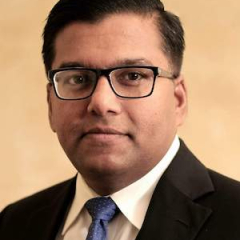
Shafquat Rabbee is a Bangladeshi-American Geo-political Columnist and Social Media Commentator.