
















































Women make the garments. Six men will decide what they are worth.
Women’s concerns extend beyond pay to harassment, job security, unpaid care and the conditions that decide whether they can stay in paid work at all. Those concerns need a voice where wages are set.

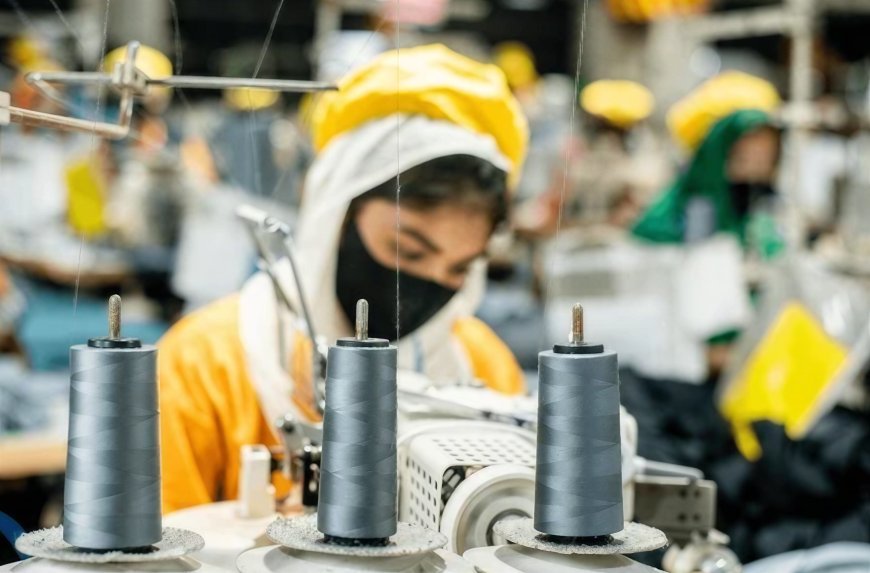
Women are still the majority of Bangladesh’s garment workforce, yet not one sits on the six-member board setting their minimum wage.
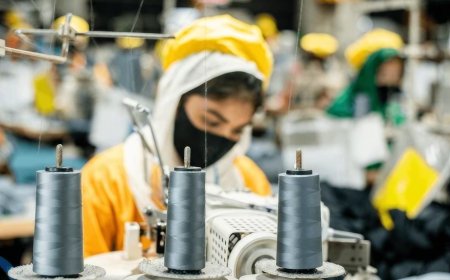
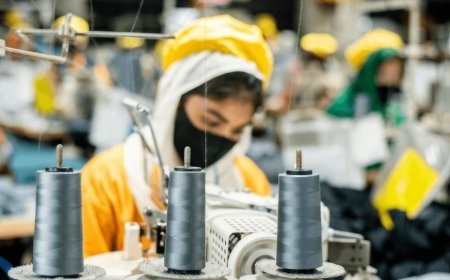
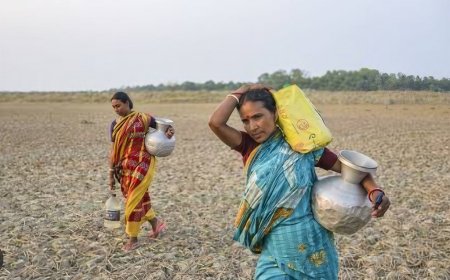
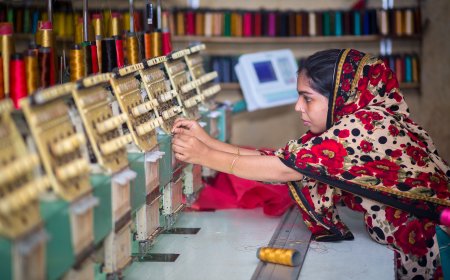
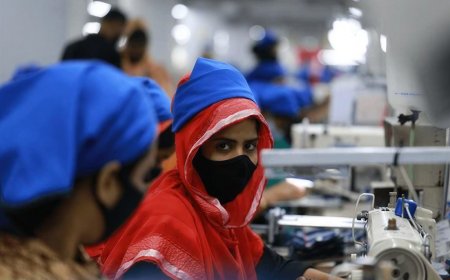
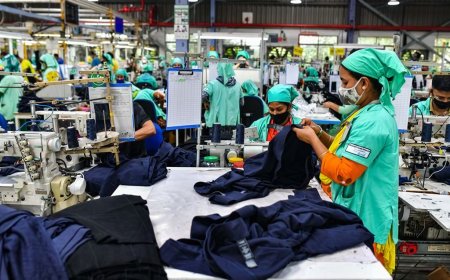
Bangladesh’s garment industry has long been told through one image: the young, rural, poorly paid woman at a sewing machine. It fills development reports and the covers of macroeconomic studies, and it shapes how the nation imagines the sector, not only how foreign media see it.
The image is grounded in history. Women’s labour built this industry, and women have fought for decades to improve its wages and conditions. Yet a contradiction now sits at its heart: women remain the majority of the workforce, while the body setting their minimum wage is entirely male.
The history of garment worker protest is also a history of women’s resistance:
1990s: Women workers began organizing in factories, challenging management and demanding basic rights. After the December 1990 Mirpur factory fire, strikes helped bring garment unions together.
2006: Protests over unpaid wages and dismissals in Gazipur spread across industrial areas and forced government intervention.
2010: Workers demanded a Tk 5,000 minimum wage and were met with both repression and negotiation.
2013, 2016 and 2023: Low wages, rising living costs, dismissals and the right to organize brought workers back to the streets. In 2023, they demanded Tk 23,000-25,000 against a far lower offer.
Simeen Mahmud and Naila Kabeer (2003) documented women organizing spontaneous and planned factory-wide protests, many spilling onto the streets. In one case, 72 women were arrested over wage arrears; in another, women protested in support of a male colleague assaulted for demanding overtime pay. As Liz Ross (2014) argued, the image of women as victims has long obscured their record of collective action.
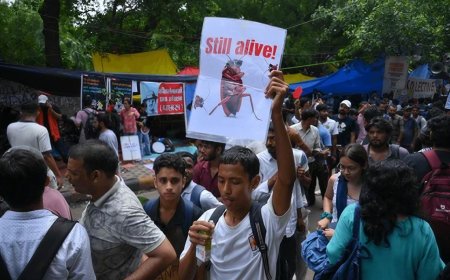
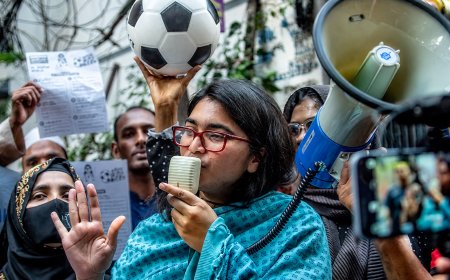
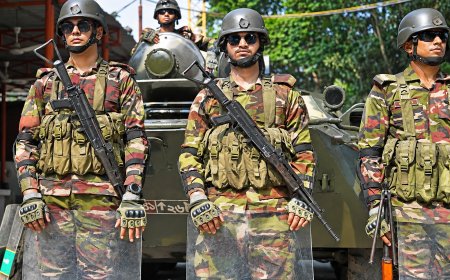
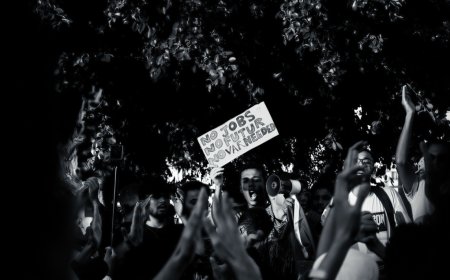
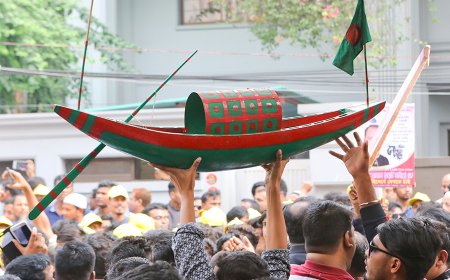
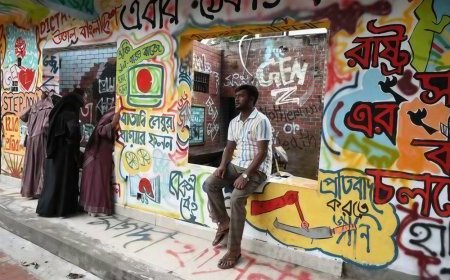
The November 2026 protests belong to this history. Workers are demanding a minimum monthly wage of Tk 30,000, up from Tk 12,500, alongside payment of outstanding salaries, reinstatement of dismissed workers, and an end to blacklisting. Demonstrations have spread across Mirpur, Gazipur, Savar, Ashulia, and Narayanganj, with road blockades, clashes with police, and factory closures.
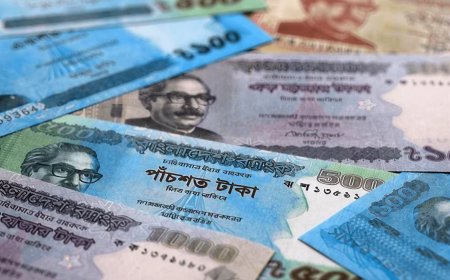
To anyone who sees only the jump from Tk 12,500, Tk 30,000 may look like greed. It is not. The latest Anker estimates, published by the Global Living Wage Coalition in 2025, put a living wage at Tk 30,459 a month in Dhaka city and Tk 25,166 in its satellite cities. The current minimum is less than half the Dhaka figure. Workers are asking for what it costs to live with dignity.
Many workers reportedly joined after seeing neighbouring factories walk out, sometimes without direction from established unions. That raises fair questions about who holds the mandate to negotiate. But spontaneous mobilization is not new.
Hasan Ashraf and Rebecca Prentice (2019) found that workers coping with extreme overtime and wages too low to live on are more likely to resist informally, and at times through militant protest, than to belong to a union, while mainstream, politically connected federations have grown more conciliatory. That widening gap, they warned, leaves workers more exposed. The question now is who represents those on the street.
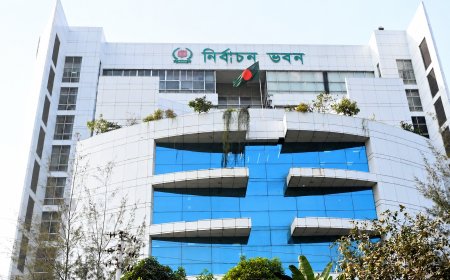
Consider who sits at the table. The six-member minimum wage board formed on November 1 under the Bangladesh Labour Act has a chair, an independent member, and two representatives each for employers and workers.
Workers are represented by Anwar Hossain, president of Bangladesh Jatiyatabadi Sramik Dal, and Babul Akhter, general secretary of the Bangladesh Garments and Industrial Workers Federation; employers by Asif Ayub of the Bangladesh Employers’ Federation and ABM Shamsuddin of BGMEA. All six members are men.
On November 4, the board agreed a revised pay structure from December, with the first new salaries due in January 2027. The amount is still undecided.
This is not to question the credentials of the men appointed. It is to ask why a sector with a female majority has no woman among those representing workers, employers or the independent interest.
Women labour leaders are hardly absent from the debate.
Taslima Akhter has warned that the protests could be diverted from workers’ demands. Mosharrefa Mishu has cautioned against dismissing the unrest as political conspiracy, pointing to low wages, excessive workloads, unpaid salaries and blacklisting. Nazma Akter and other women leaders joined a press conference with the worker representatives. But visibility in the debate is not a seat at the table.
The workforce itself sharpens the point. Mapped in Bangladesh data show women made up 57 per cent of workers in export-oriented factories in October 2026: still a majority, but far more gender-balanced than the familiar image suggests.
BIDS research reported by this newspaper in July 2026 found that male employment grew faster than female employment between 2014 and 2023. Hasan Ashraf and Christian Strümpell trace this shift to the industry’s repeated technological and organisational restructuring, in which up-skilling has gone hand in hand with masculinising labour.
Yet the protests are still narrated through the older image. An Associated Press report on 4 November described the four-million-strong workforce as “mostly women from rural Bangladesh”. Much domestic coverage follows suit, with mostly women workers interviewed on the street. Women are cast as the face of the grievance, then left out of the room where it is resolved.
This is an argument for meaningful representation, not tokenism. Women’s concerns extend beyond pay to harassment, job security, unpaid care and the conditions that decide whether they can stay in paid work at all. Those concerns need a voice where wages are set.
Women have been central to the making of this industry and to its history of resistance. Their presence on the factory floor is unmistakable; their absence from the wage board is just as telling. If the industry has changed, its systems of representation must change too. Otherwise, women will keep making the garments while men decide what their labour is worth.
Tasmiah T. Rahman is a PhD researcher at SOAS University of London and BRAC University, and works at Innovision Consulting. Her opinions are her own.