




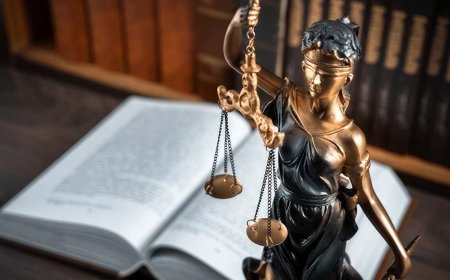


























































The problem is not only that laws fail after harm occurs, but that outdated laws make women unsure whether what they are facing is legally recognized as harm or not.

Petitions are circulating now to remove these sites from search engines. Outrage is building, slowly. But it is not enough. But the real shift needs to start within us, in these awkward conversations. Stop correcting the numbers, stop making excuses and start confronting what actually happened.
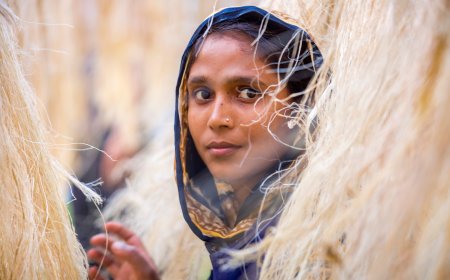
Respecting the rights, dignity, and freedom of women, and ensuring full equality for women in health, education, employment, and opportunity must be established as the common ground on which all political actors in Bangladesh agree.
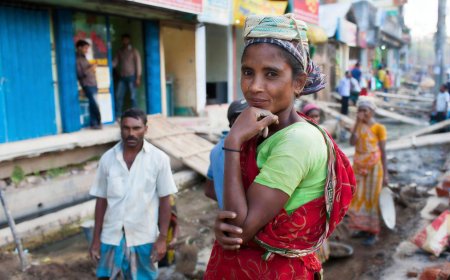
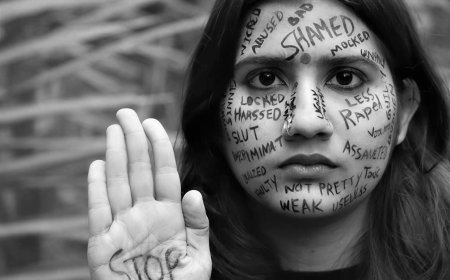
Frustration, when it has nowhere constructive to go, seeks a target. Too often, women become that target -- online through harassment and abuse, offline through control, intimidation, or violence.
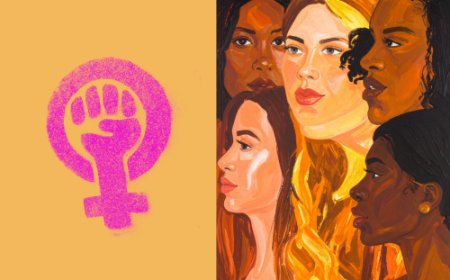
Feminism has become a new F-word. But let's at least debate the issues that women are really talking about and demanding rather than a patriarchal projection of what men think women want and demanding.
Rejecting religion-based politics does not mean denying religion; rather, it means taking a stand for equality, human rights, and justice. Without women's liberation, no society, no state, and no politics can be truly just.
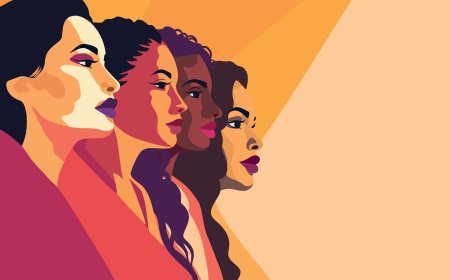
While no model for increasing women's political representation is perfect, the crux of the matter is that the political desire for a workable solution is what is absent. This is what must change if women are to experience the fruits of Bangladesh 2.0.
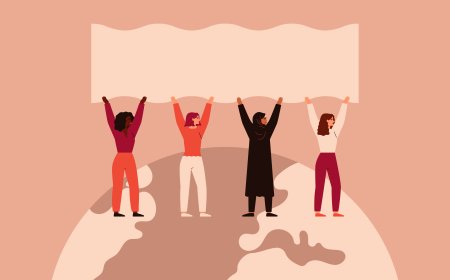
It's time to rethink the representation and rights of women in Bangladesh. Should elite secular feminism neglect to recognize and engage with Islamic feminist frameworks, it risks irrelevance or worse.