








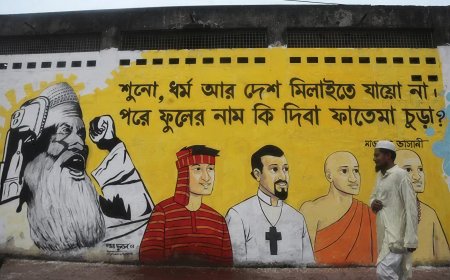



















































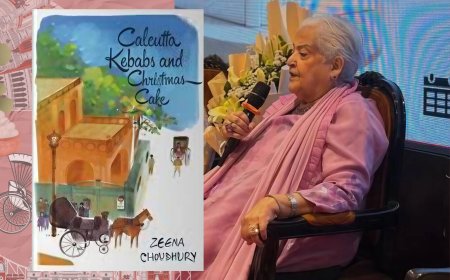
The Calcutta of this book was plural in the way that daily life is plural, messily, in the way that a grandmother bakes a Christmas cake for her Muslim neighbour's grandchildren because they are downstairs and they love cake.
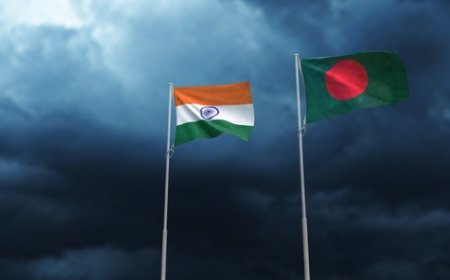
56 previous conferences have produced 56 joint records. The 57th record will be written in New Delhi over four days beginning June 8. It will either mark the beginning of a different kind of diplomacy, one in which Bangladesh’s written commitments mean something and India’s violations carry consequences, or it will confirm that the pattern has been accepted as permanent.
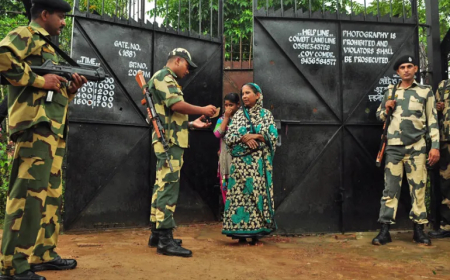
The clearest sign of gimmickry behind the so-called mission to control Bangladeshi immigrants is that the government has appointed a non-demographer to head an exercise on demographic change.
Does it mark the end of an era, or return to a bygone era in which Hindu-Muslim clash was a celebrated theme? The Muslim-majority Bangladesh next door, which has just survived a massive political upheaval, adds urgency to our query.
An already weakened Bengali Nationalism is going to be almost moribund. At the core of Bengali Nationalism is a common social and cultural heritage of the Bengali speaking people in both sides of the border.
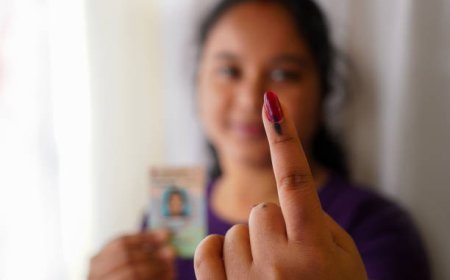
In 150 seats, more than half of West Bengal’s 294, total deletions were greater than victory margins, and BJP won 99. In 2021, it had won just 19 of these.
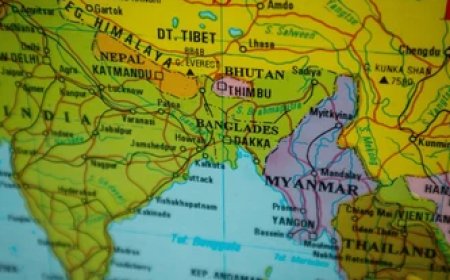
A double-engine BJP government could no longer blame West Bengal’s opposition for delays. If New Delhi and Kolkata are aligned, Bangladesh will expect results on both the Ganges and Teesta. The Teesta dispute, long blocked by Mamata Banerjee, is especially symbolic. With the Trinamool Congress out of power, Dhaka would expect movement.
Bangladesh functioned as a mirror in which West Bengal was invited to view itself: Hindu or Muslim, refugee or infiltrator, borderland or nation, Bengali or anti-national.
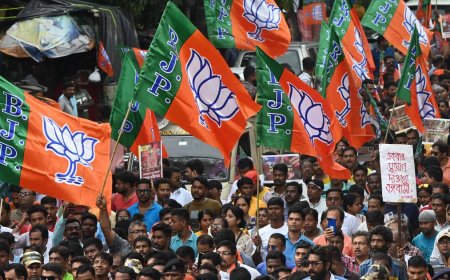
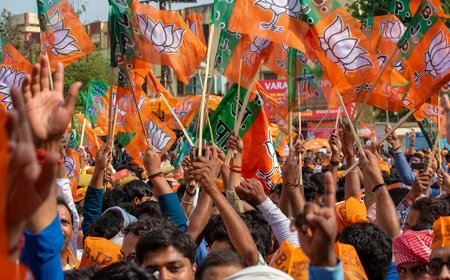
The Bharatiya Janata Party has secured a two-thirds majority in the state that it has never won before.