





















































When you stand up for your citizens you earn respect. It doesn’t close doors, it opens them. If we don’t have respect for ourselves and our own people, how can we expect the rest of the world to?

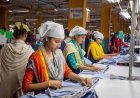
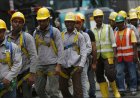
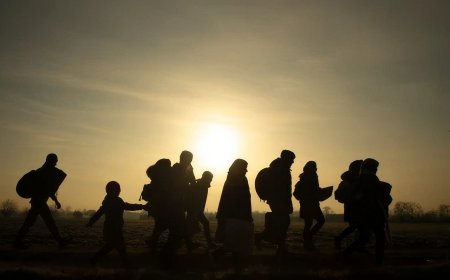
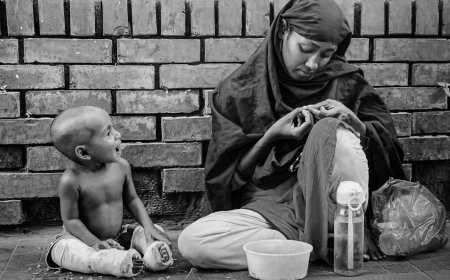
Somewhere tonight, another Bangladeshi man is finishing a shift he did not choose in a country that does not care to learn his name. What he has left goes to a mother who needs medicine, a sister who needs a wedding, a child who needs school fees. Somewhere tonight, a woman is working in a locked house, her phone in her employer’s hands, counting the days until her contract ends.
Nazrul Islam was 22. Sweety Akhtar was a young woman who just wanted to survive. They were alive on September 30. And the system, from Riyadh to Dhaka to Washington, chose to let them die.

Abuse of Bangladeshi workers across the Middle East is widely reported, yet we have rarely seen real backbone from the ministry or our Gulf missions.
Bangladesh’s reserves have already come under pressure from import costs and exchange-rate changes; indiscriminate assistance could speed up reserve losses and fuel inflation. Trade, revenue and port agencies should speed up customs procedures and eliminate unnecessary logistics expenses.
Two Bangladeshis executed in Saudi Arabia raise questions about capital punishment, consular rights, and the unequal politics of citizenship.
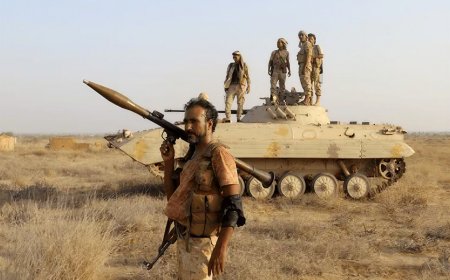
Participation in an emerging regional security architecture should strengthen Bangladesh’s strategic autonomy, not turn its armed forces into an instrument of another country’s foreign policy.
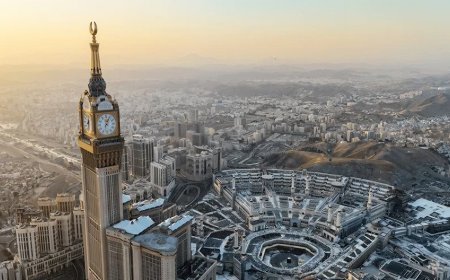
So the question becomes: If Bangladesh joins the Mecca Pact, which of its immediate security problems will be solved? My answer: Not very many.
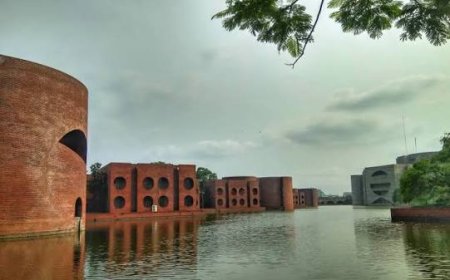
An uprising can reclaim space without reclaiming sovereignty. It can capture a symbol without capturing the mechanism. It can change the occupants without changing the architecture of access.
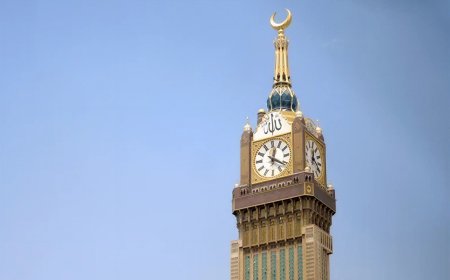
The Mecca Agreement will be remembered less as a wartime alliance against a weakened Iran and more as the founding document of a new, durable axis within the Muslim world, one whose rivalries with Israel, the UAE and India will define regional politics for a generation.
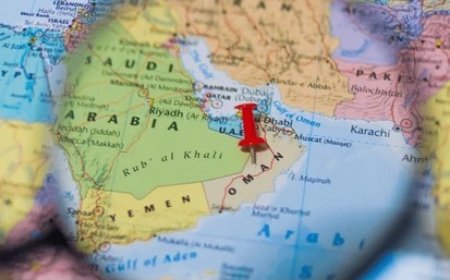
Leaving OPEC was a symbolic declaration to the Gulf that Abu Dhabi can no longer stay a passenger in the oil vehicle supplying the world.
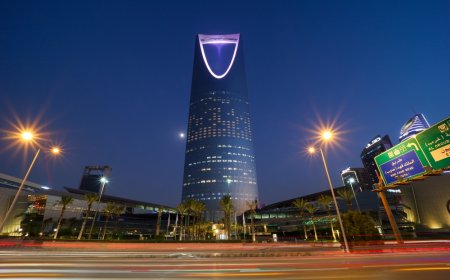
From Pakistan to Egypt, and possibly up to Morocco in the long run, this vast region is becoming the playground of the GCC, BRICS, and a transnational Financial Industrial Complex
The reason that proxy militancy is being dismantled is simple. It is no longer useful in the new world order. This is just the first step in the rise of the GCC as it takes its seat at the big table.