







































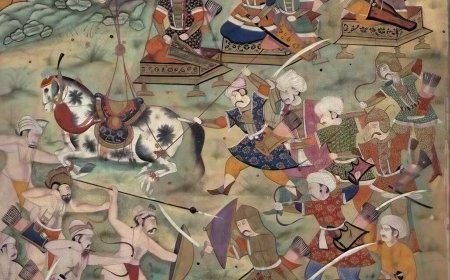




























Maybe the greatest tribute to July is not in another speech or another procession but to remember that revolutions are not only moments of triumph but also the collective memories of sorrow carried quietly by thousands of ordinary citizens.

Dismiss early grievances, personalize criticism, stigmatize opponents, mistake force for authority, answer old questions, control information instead of rebuilding trust and confuse institutional power with public legitimacy. These are not uniquely Bangladeshi mistakes. They are universal governmental temptations.
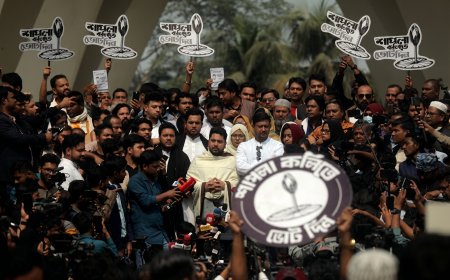
The NCP risks sliding into oblivion and losing its uniqueness by merging into the shadow of larger political interests. It must now undertake serious soul-searching about the long-term costs and benefits of its strategy.
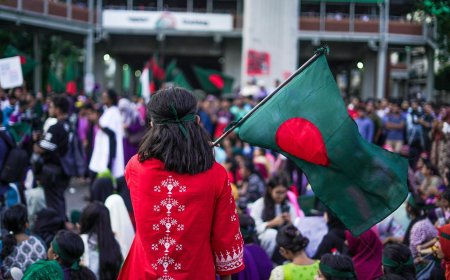
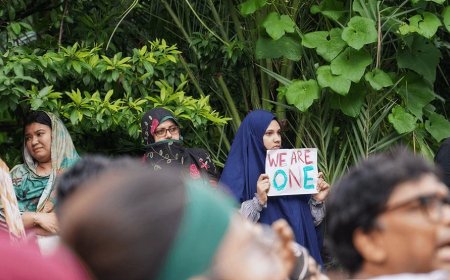
Who decided what the new Bangladesh would look like? And were the women who built it in the room when that decision was made?

Even if we develop our state institutions, there is no guarantee that a ‘Legal Autocrat’ or ‘Constitutional Autocrat’ will not appear in future. The stronger the State, the stronger a Constitutional Autocrat is and the more it may exercise power to prey the public. State becomes a Constitutional handle to a Constitutional Dictator or Fascist.

For all its organizational discipline, ideological clarity, and grassroots networks, Jamaat-e-Islami has spent five decades confined to the margins of Bangladeshs political mainstream -- not because it lacked ambition, but because the stage was always owned by others.
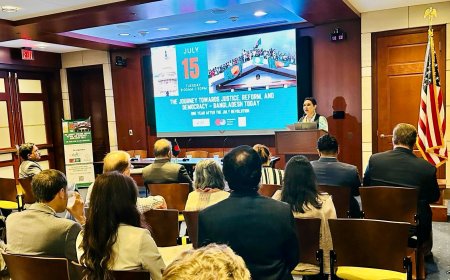
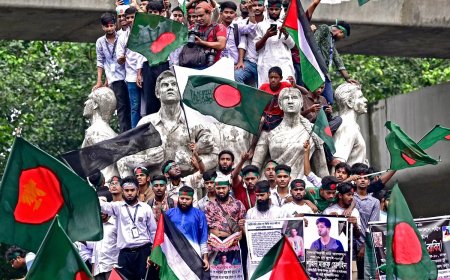
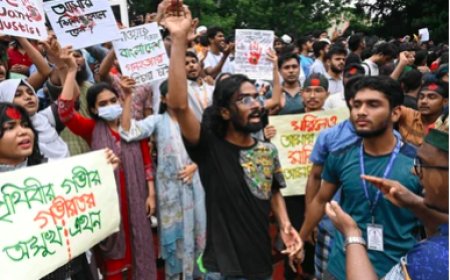
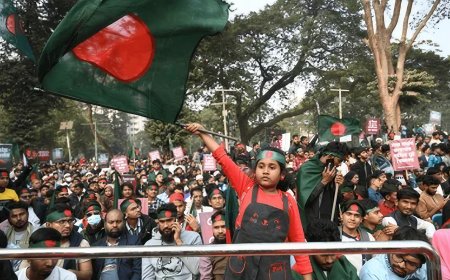
One year after the July Revolution, the path ahead is still being shaped. The violence, sacrifice, and demands of the Bangladeshi people must not be forgotten or undermined.