







































![A Ledger of the Soul: Navigating the Allah-Bhagavant Nexus in a 19th-Century Puruṣākāra Jñāna Caupara [Gyan Chauper]](https://counterpointbd.com/uploads/images/202608/image_430x256_6a93baa3b09a7.jpg)





















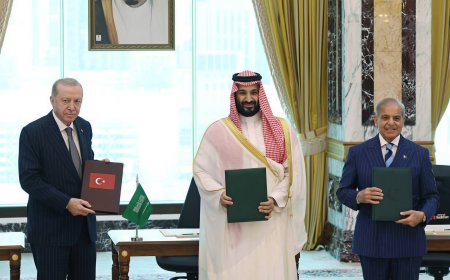
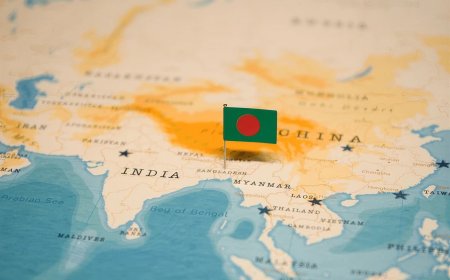
Dhaka has deepened military ties with Turkey while normalizing relations with Pakistan. This commitment towards strategic autonomy unsettles security planners in New Delhi, who view the accumulation of these moves as a potential erosion of Indian influence in the Bay of Bengal.

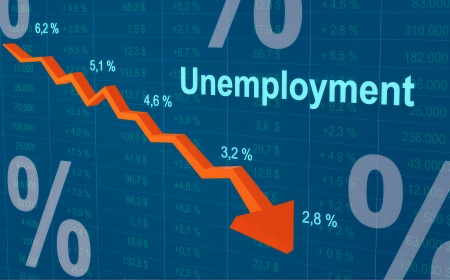
This dependence cuts both ways. If the Saudi market were to close for any reason, the impact on Bangladesh's employment would be significant, particularly since other major markets such as Oman, the UAE, Bahrain, and Malaysia have not reopened at scale.
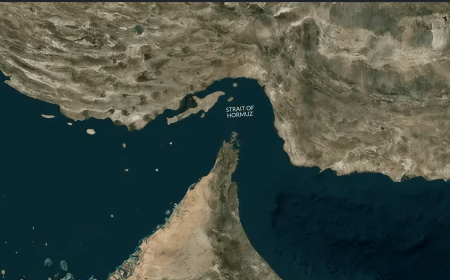
The latest ceasefire between the United States and Iran has failed to restore confidence in the Strait of Hormuz, exposing the world's continued dependence on a chokepoint that remains vulnerable to disruption.
The latest regional security shocks have exposed a deeper reality. Hormuz is not simply an oil chokepoint; it is the foundation upon which the modern economies of the Gulf were built.
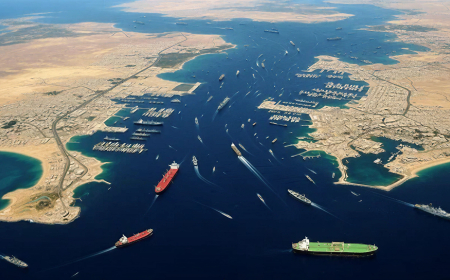
A war fought in part to eliminate Iranian leverage ended with Iran holding more of it, over Hormuz, over Lebanon, and over the sanctions regime, than it had before the first missile was fired. Whether that trade was worth it depends on whether the next 60 days produce a durable peace or simply a longer, costlier version of the same unresolved fight.
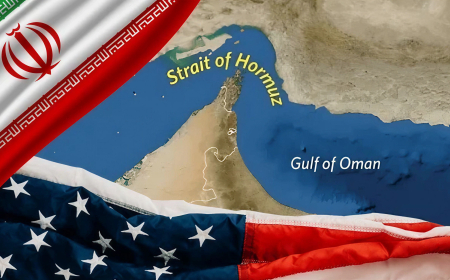
The US-–Iran memorandum ended a war on American terms. But the fine print on the Strait of Hormuz, like the rise of the mediators who brokered it, tells a more complicated story.

A month into the conflict, we have yet to see any meaningful adjustment in fuel prices. Even as international crude prices have skyrocketed, the domestic market remains insulated, standing in stark contrast to almost all other Asian nations, including our neighbors, which have already implemented price hikes.
For the first time in decades, the United States risks strategic isolation within its own alliance network. If the United States is perceived as an unreliable negotiating partner, future mediation efforts -- both in the Middle East and beyond -- may suffer.