









































![A Ledger of the Soul: Navigating the Allah-Bhagavant Nexus in a 19th-Century Puruṣākāra Jñāna Caupara [Gyan Chauper]](https://counterpointbd.com/uploads/images/202608/image_430x256_6a93baa3b09a7.jpg)

















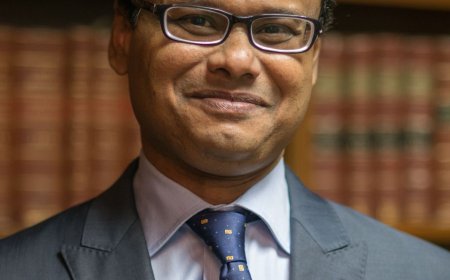


What Bangladesh Bank Can Learn from Dr. Ahsan Mansur’s Tenure
Ahsan Mansur’s reflections extend far beyond central banking. His message is that meaningful reform cannot be achieved through administrative measures alone. It requires political consensus, institutional independence, rigorous accountability, and a commitment to the rule of law.

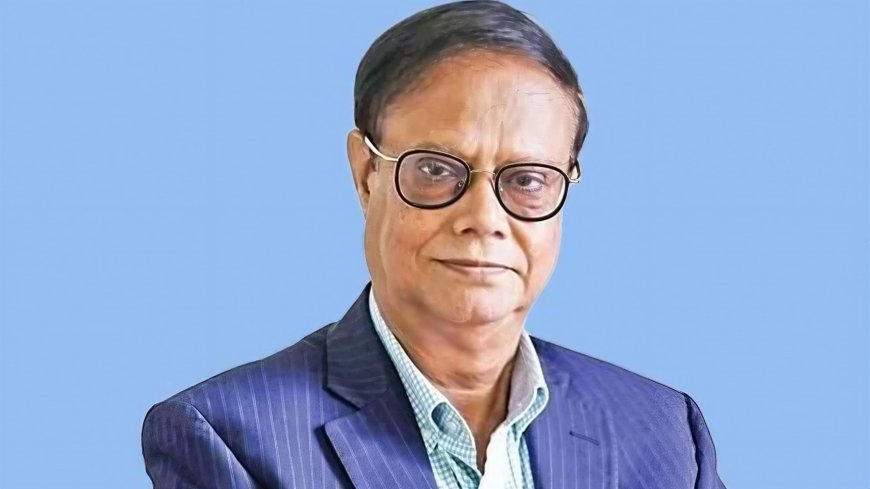
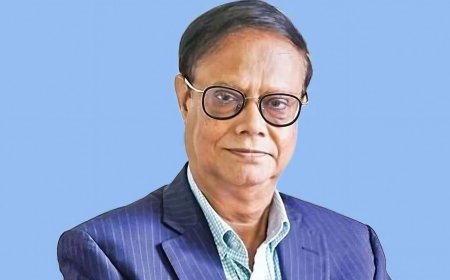
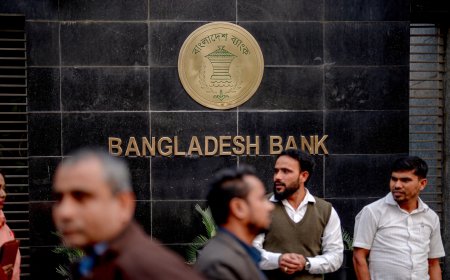
Dr. Ahsan H. Mansur, the 13th Governor of Bangladesh Bank, served from August 2024 to February 2026 during one of the most turbulent periods in Bangladesh’s financial and economic history.
The country faced a severe banking crisis, mounting economic instability, and widespread concerns over governance.
Drawing on decades of experience at the IMF, the Policy Research Institute (PRI), and BRAC Bank, Dr. Mansur led skillfully the central bank during a period when confidence in key institutions had eroded.
Today, as Bangladesh confronts challenging political and economic scenario, Dr. Mansur’s reflections offer important lessons. His central message is clear: sustainable economic progress requires an independent central bank, strong institutions, accountable governance, and a political system capable of building broad national consensus.
The July 2024 Turning Point
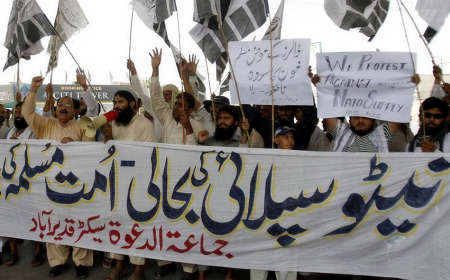
Mansur views the July 2024 mass uprising as more than a political event. In his assessment, it created a rare opportunity to rebuild institutions and restore public trust. He argues that Bangladesh Bank can effectively safeguard financial stability only when it operates free from political influence. Without institutional independence, sound monetary policy becomes difficult and long-term economic stability remains elusive.
He also contends that years of political polarization weakened public discourse and undermined constructive debate on economic policy. The student-led movement of 2024, he believes, reflected a broader demand for accountability, democracy, and economic fairness.
Governance Before Growth
According to former Governor Mansur, economic instability is ultimately rooted in political failures. The banking crisis, soaring non-performing loans, and widespread financial misconduct did not emerge overnight. They were the result of years of political interference and weak oversight.
He points to politically connected borrowers and loan defaulters as major contributors to the banking sector's distress. Reform, therefore, must begin with stronger governance, legal accountability, and a clear separation between political interests and financial institutions.
Cleaning Up the Banking Sector
One of Mansur’s most notable initiatives was restructuring the boards of troubled banks. The turnaround of Islami Bank demonstrated that restoring professional management and accountability can quickly rebuild public confidence in a bank.
His broader strategy combined governance reforms, asset recovery efforts, financial-crime investigations, and international cooperation. Joint investigations, collaboration with foreign governments, and the engagement of international law firms helped pursue stolen assets at home and abroad. The objective was not simply to punish wrongdoing, but to restore trust in the financial system.
Managing Crisis Without Fueling Inflation
Mansur strongly defends the central bank’s liquidity support to distressed banks during the crisis. He argues that these measures prevented a systemic collapse while avoiding excessive money creation. Importantly, emergency assistance was tied to strict oversight, management reforms, and enhanced monitoring to minimize moral hazard.
His position is straightforward: central banks should preserve financial stability, not finance government spending. During his tenure, he emphasized that no money was printed to fund fiscal deficits.
Building Confidence and Attracting Investment
Mansur stresses that political stability and institutional credibility are prerequisites for domestic and foreign investment. Bangladesh’s trade and financial sectors suffered when foreign banks became reluctant to support transactions because of payment delays and growing concerns about the economy.
Restoring confidence required clearing arrears, engaging international financial institutions, and demonstrating a commitment to transparency and reform. Investors, he argues, look for predictable policies and strong institutions, not short-term fixes.
Beyond Finance: A Reform Agenda for the Future
Looking ahead, Mansur advocates several structural reforms. These include strengthening Bangladesh Bank’s independence, separating tax administration from tax policy, improving the quality and compensation of central bank staff, recovering stolen assets, and accelerating the consolidation of weak banks.
He also supports deeper use of automation and technology to reduce corruption and improve compliance across the financial system.
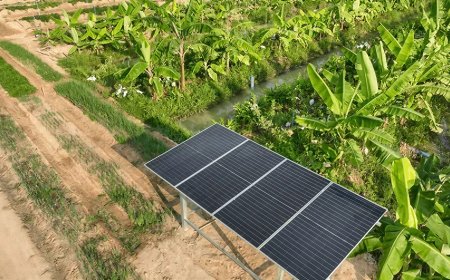
Beyond finance, Mansur sees energy security as a national priority. He has called for expanded investment in solar energy through rooftop systems, industrial installations, rail corridors, riverbanks, and water bodies, reducing dependence on imported fuels and strengthening long-term economic resilience.
The Bottom Line
Ahsan Mansur’s reflections extend far beyond central banking. They offer a roadmap for rebuilding confidence in public institutions at a time when Bangladesh faces critical choices about its political and economic future. His message is that meaningful reform cannot be achieved through administrative measures alone. It requires political consensus, institutional independence, rigorous accountability, and a commitment to the rule of law.
Whether Bangladesh succeeds in strengthening its economy and democratic institutions will depend largely on its willingness to embrace those principles. The opportunity created in 2024 remains alive, but only decisive and transparent leadership can turn that opportunity into lasting progress.
Dr. Munir Quddus serves as an Endowed Professor of Economics at Prairie View A&M University. He is grateful to Dr. Ahsan Mansur for his helpful comments on a previous draft. The author can be reached at [email protected].