


























































We cannot build a healthier political culture while treating humiliation as entertainment whenever it happens to someone we dislike. Disagreement is part of public life; cruelty does not have to be.

The presumption of innocence, one of the oldest principles of modern jurisprudence, loses all practical meaning if an acquittal arrives only after years spent inside a prison cell.
As Hasina professes a desire to return to Dhaka, then both governments should commit to taking steps to allow her to do so. Not as a returning prodigal daughter, but as a fugitive accused and convicted of crimes against humanity.
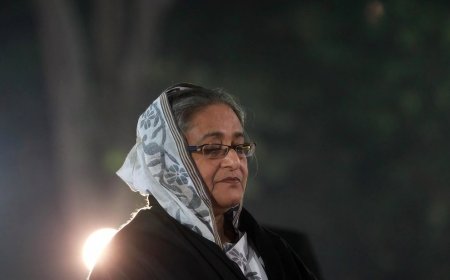
Hasina has nudged New Delhi to define its position on her extradition and forced the BNP to confront, sooner than it may wish, whether it truly wants her back and, if so, on what terms.
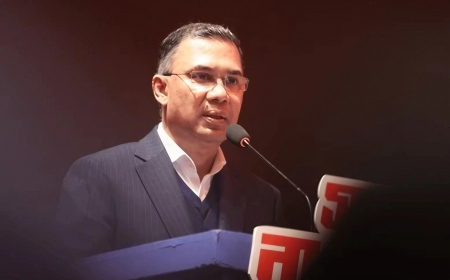
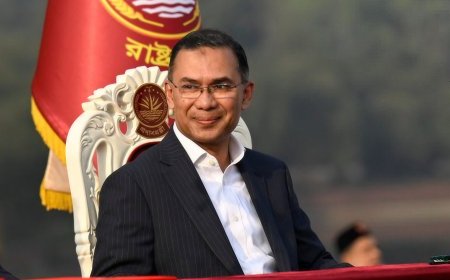
All things considered, Mr. Rahman receives a “meets expectations” grade. The BNP government, as a team, receives a “needs improvement” grade, but not a failing one.
That is how democratic erosion can happen, not only through overt repression, but through laws that centralize power while preserving the appearance of legality.
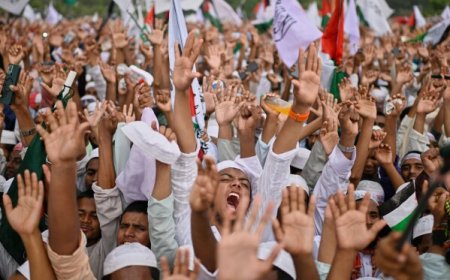
It is very true that the religious right in Bangladesh have found a new voice that had been brutally suppressed by Sheikh Hasina all these years, and that the group has now taken the opportunity to abuse this new-found freedom.
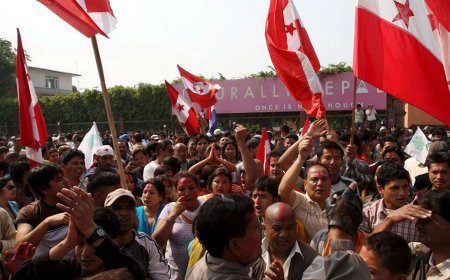
Bangladesh’s political terrain is considerably more rigid. Dynastic narratives continue to exert powerful influence over voter perceptions. The Awami League remains closely associated with the legacy of Sheikh Mujib, while the BNP continues to revolve around the Zia family. In such an environment, new political movements must not only compete with established organizations but also confront deeply embedded historical loyalties.
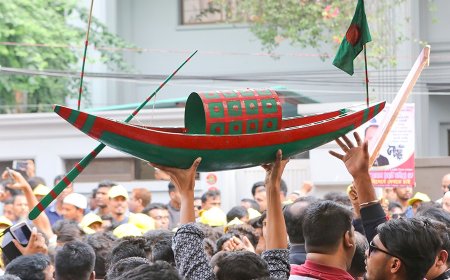
That the stability and sustainability of Bangladesh’s renewed tryst with democracy will depend on how maturely Tarique Rahman deals with the thorny issue of Sheikh Hasina and the Awami League.
BNP has to govern not merely as the winner of an election but as the steward of a divided nation. Jamaat-e-Islami has to act as a parliamentary opposition, not as a liberation war revision society. The international community has to support democratic consolidation, not strategic alignment.

Bangladesh needs leaders willing to say what I believe must be said: Crimes against humanity warrant organizational accountability, but only through a judicial process that respects rule of law. That is the stance Tarique must take.

What this latest interview has shown is that even 18 months after the uprising that unseated them from power, the party has not changed one iota. The party remains exactly as it was prior to August 5, 2024, save for the fact that it is no longer in power.

Where does the Awami League stand today, 18 months after the July Uprising, and is there any way back for the party post-February 12?

“Razakar” is a word that keeps reappearing in Bangladesh’s political history, carrying shifting meanings and renewed political weight over time.
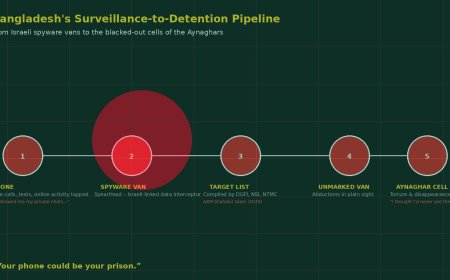
How the AL Built Bangladesh’s Surveillance-to-Detention Pipeline -- and the Question We Still Need Answered